SAICM Knowledge Management activities are supported by the GEF 9771 project on Global Practices on Emerging Chemical Policy Issues of Concern under the Strategic Approach to International Chemicals Management (SAICM).
Within this framework, the SAICM Secretariat explores ways to create, manage and disseminate knowledge on chemicals of concern. The implementation follows a Knowledge Management Strategy that is being constantly revised and updated. It explores different tools and processes to better manage knowledge cycles, aiming at interlinking knowledge from multiple stakeholders. Communities of practice have been established to support collaborative and innovative exchanges.
I am currently serving as the Knowledge Management Officer for the GEF-funded the Implementing Sustainable Low and Non-Chemical Development in Small Island Developing States (ISLANDS) Programme which supports Small Islands Developing States (SIDS)
My activities envisaged the involvement in a sound management of chemicals at the national level. My professional interests are dedicated to health and environment.
Lynn M. Wagner is the Senior Director of the SDG Knowledge program at the International Institute for Sustainable Development (IISD). In this role, she oversees projects that seek to increase the accountability of decision making for the Sustainable Development Goals (SDGs), enhance engagement in SDG implementation, develop SDG indicator and reporting tools, and support SDG implementation. Wagner began working with IISD in 1994 as a writer for the Earth Negotiations Bulletin, and she continues to observe and analyze multilateral environmental negotiations with IISD’s flagship publication. She also served as the Senior Manager of IISD Reporting Services’ Knowledge Management Projects from
I am currently supporting the establishment of an online knowledge management system (KMS) for a GEF-funded "Financing Agrochemical Reduction and Management (FARM)" project which aims to tackle the reduction of using highly hazardous pesticides an
Estrategias dinámicas y pluriculturales sobre el recurso humano que este interactuando en el ambiente, para brindar acciones más amenas a la manipulación de los insumos provenientes de la naturaleza o fabricados por el ser humano, a fin de salvagu
Rebecca is an Environmental and Occupational Health Specialist focusing on children’s environmental health, public health, management of hazardous chemicals in products, exposure assessment, chemical risk assessment and management, risk communicat
IW:LEARN is the Global Environment Facility's (GEF) International Waters Learning Exchange and Resource Network. The IW:LEARN project was established to strengthen transboundary water management around the globe by collecting and sharing best practices, lessons learned, and innovative solutions to common problems across the GEF International Waters portfolio. It promotes learning among project managers, country official, implementing agencies, and other partners.
The Secretariat of the Strategic Approach to Chemicals Management (SAICM) and the University of Cape Town (UCT) have established a Community of Practice (CoP) on Lead in Paint to bring representatives from different sectors together and to create a learning network around issues related to the elimination of Lead Paint. This is a summary of the discussion on Reformulation is entirely possible, which took place on 9 June 2021.Presenters: Dr Branko Dunjic (NCPC Serbia), Vojislavka Satric (NCPC Serbia), Jeiel Guarino
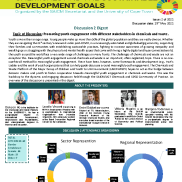
The Secretariat of the Strategic Approach to Chemicals Management (SAICM) and the University of Cape Town (UCT) have launched a Community of Practice (CoP) on Chemicals and SDGs to bring representatives from different sectors together and to create a learning network around issues related to addressing Chemicals and the Sustainable Development Goals (SDGs). This is a summary of the discussion on Promoting youth engagement with different stakeholders in chemicals and waste, which took place on 26 May 2021.Presenters: Dickson Ho
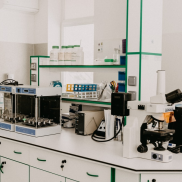
The Lead in Paint Laboratory Database lists laboratories from all UN regions capable of identifying and quantifying lead in paint samples.It is established by UNEP in close cooperation with the United States Environmental Protection Agency and the World Health Organization as part of an activity of the Global Alliance to Eliminate Lead Paint. For each listed laboratory, the databank offers publicly available information of interest, such as contact details, number of staff, instrumentation, analytical techniques, accreditation, etc. This database of