SAICM Knowledge Management activities are supported by the GEF 9771 project on Global Practices on Emerging Chemical Policy Issues of Concern under the Strategic Approach to International Chemicals Management (SAICM).
Within this framework, the SAICM Secretariat explores ways to create, manage and disseminate knowledge on chemicals of concern. The implementation follows a Knowledge Management Strategy that is being constantly revised and updated. It explores different tools and processes to better manage knowledge cycles, aiming at interlinking knowledge from multiple stakeholders. Communities of practice have been established to support collaborative and innovative exchanges.
Related people
Jovita Tamosaityte
I am currently serving as the Knowledge Management Officer for the GEF-funded the Implementing Sustainable Low and Non-Chemical Development in Small Island Developing States (ISLANDS) Programme which supports Small Islands Developing States (SIDS)
Anteneh Abebe
I obtained MSc in Environmental Science and Management from Haramaya University.
Claudia Viviane Viegas
I research returns of medicines from the point of view of the socioenvironmental and economic impacts in public and private sectors.
Rebecca Mlelwa
Rebecca is an Environmental and Occupational Health Specialist focusing on children’s environmental health, public health, management of hazardous chemicals in products, exposure assessment, chemical risk assessment and management, risk communicat
Tanya Pronina
My activities envisaged the involvement in a sound management of chemicals at the national level. My professional interests are dedicated to health and environment.
Eduardo Caldera Petit
Articles of interest
6 resources found
Massive Open Online Course on Marine Litter
E-learning on Multilateral Environmental Agreements
UN Environment Programme and Partners Massive Open Online Courses (MOOCs)
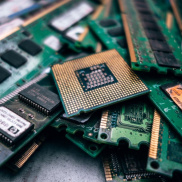
The E-Waste Challenge
This course will help the participants to understand why and how to manage e-waste in an environmentally sound manner and how action on e-waste could be taken in their own life, business, or organization.The aims of the course are to:Show how sound management of e-waste can help reduce GHG emissions, mitigate climate change and prevent hazards to health and the environment in accordance with the Basel, Rotterdam, and Stockholm conventions;Share best practices, technological innovations, and sustainable e-waste recovery and inclusive