361 resources found
Article
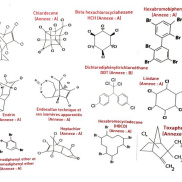
eChemPortal: The Global Portal to Information on Chemical Substances

The eChemPortal provides access to scientific information on chemical substances of regulatory relevance. It includes over
Topics:
Knowledge Management
Article
Five Countries Collaborate to Inform Stakeholders on Endocrine Disruptors
Five EU Member States are collaborating on a website to inform stakeholders about the status of
Emerging Policy Issues:
Endocrine-Disrupting Chemicals
Topics:
Knowledge Management

Article
WHO and GEF Report on Methods for Measuring Lead in Paint
The World Health Organization (WHO) and the Global Environment Facility (GEF) have published an overview of
Emerging Policy Issues:
Lead in paint
Academic article
Endocrine-disrupting chemicals: economic, regulatory, and policy implications
Emerging Policy Issues:
Endocrine-Disrupting Chemicals
Academic article
Life cycle based alternatives assessment (LCAA) for chemical substitution
Emerging Policy Issues:
Chemicals in products

Article
SAICM Communities of Practice Foster Dialogue on Chemicals and Waste Management
The Strategic Approach to International Chemicals Management (SAICM) is forming a number of Communities of Practice (CoPs)
Topics:
Knowledge Management
Article
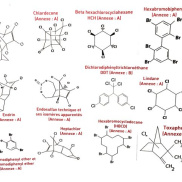
European Chemicals Agency Recommends Grouping Chemicals for Better Risk Management
The European Chemicals Agency (ECHA) has published a report that argues for grouping chemicals to speed up
Academic article
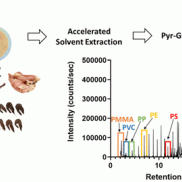
Quantitative Analysis of Selected Plastics in High-Commercial-Value Australian Seafood by Pyrolysis Gas Chromatography Mass Spectrometry
Emerging Policy Issues:
Chemicals in products
