49 resources found

Case studies

Future Policy Award 2021: Sweden, Region Stockholm - Chemicals in products

Although chemicals are important components in many products, they may be released at any stage of the product life cycle, resulting in potential exposures of humans and the environment. The second 2021 Gold Awardee addressing Chemicals in Products is Sweden, Region Stockholm: Phase-Out Lists for Chemicals Hazardous to the Environment and Human Health (2012-2016, revised for 2017-2021).The World Future Council focuses on identifying, developing, highlighting and spreading effective, future-just solutions for current challenges humanity is facing and promote their implementation

Emerging Policy Issues: Chemicals in products
Case studies

Future Policy Award 2021: Sri Lanka - Pesticides

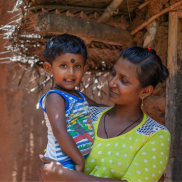
The Special Award Highly Hazardous Pesticides is one of the most ambitious and impactful solutions that minimizes the adverse effects of pesticides, which cause disproportionate harm to the environment and human health. Pesticides can cause severe environmental hazards, high acute, chronic toxicity and are also a very common suicide agent. Particularly, in Sri Lanka, two thirds of suicides were due to self-poisoning with pesticides. The Special Award Highly Hazardous Pesticides was awarded to Sri Lanka’s Control of Pesticides Act No

Case studies

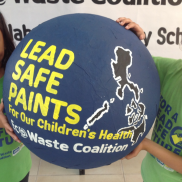
Future Policy Award 2021: Philippines - Lead in Paint

Lead is a cumulative toxic element particularly harmful to young children and pregnant women. Lead can be present at high levels in paint and is a major health concern specially in low and middle income countries. Philippines legislation towards lead-safe paint has provided safer alternatives to protect human health and the environment, actively involving all stakeholders. The Special Award Lead in Paint was awarded to Philippines’ Chemical Control Order for Lead and Lead Compounds (CCO, 2013-24).The World Future Council focuses

Emerging Policy Issues: Lead in paint Chemicals in products

Case studies

Future Policy Award 2021: Kyrgyzstan - Globally Harmonized System of Classification and Labelling of Chemicals

Globally Harmonized System of Classification and Labelling of Chemicals is a non-binding internationally agreed-upon system managed by the UN which defines and classifies the hazards of chemical products. Kyrgyzstan’s Resolution No. 43 on Approval of the Chemical Hazard Classification System and Hazard Information Requirements (2015) has legally bound GHS.The World Future Council focuses on identifying, developing, highlighting and spreading effective, future-just solutions for current challenges humanity is facing and promote their implementation worldwide. The Future Policy Award 2021 highlights exemplary

Emerging Policy Issues: Chemicals in products
Factsheets and brochures

Case studies on the implementation of the WHO Chemicals Road Map

The World Health Organization is publishing a series of national case studies on the implementation of the WHO Chemicals Road map, which was adopted in World Health Assembly Decision 70(23).The case studies were developed by different Member States, including members of the Global Chemicals and Health Network. They illustrate the role the health sector plays in the sound management of chemicals, recognizing the need for multi-sectoral cooperation at a national level.The case studies concentrate on different actions of the road
Factsheets and brochures

Clariant playing a leading role in supporting the coatings industry to phase out lead in paints

Media ReleaseAs one of the first companies to completely end the production, and supply, of lead-based pigments in the mid-1980’s (Hoechst AG – now Clariant), Clariant supported the Global Alliance to eliminate lead paint and, through regulatory and legal measures, accelerate progress towards its global phase out.To work towards this goal, Clariant is a supporter of the Strategic Approach to International Chemicals Management (SAICM), hosted by UN Environment Programme, a global policy framework which aims to protect human health and
Emerging Policy Issues: Lead in paint
Factsheets and brochures

Gender mainstreaming in chemicals and waste policies

by
HEJSupport International
|
August 2020
copied to clipboard
New Fact Sheet: Gender mainstreaming in chemicals and waste policiesGender equality is a core human rights and development issue, as highlighted in several international and regional human rights instruments, including those that are part of multilateral environmental agreements. Law-binding and voluntary agreements on chemicals and waste are no exception and play an essential role in increasing the participation of women and men in the management of chemicals and waste, while contributing to gender equality.The fact sheet includes examples of texts
Factsheets and brochures

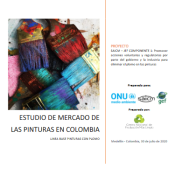
Market Analysis of the paint industry in Colombia (Draft / Spanish only)

Las pinturas se han convertido en parte esencial del estilo de vida de la sociedad moderna, el color de ellas es apetecido por sus funciones estéticas, decorativas, de protección para productos y hasta en usos como códigos de seguridad, sin embargo, su producción y uso plantea aun muchos retos en los cuales se viene trabajando tanto a nivel mundial como local.Los países más industrializados prohibieron desde hace más de 40 años el uso de pinturas con plomo. Colombia aún carece
Emerging Policy Issues: Lead in paint
Topics: Policymaking

Avatar