63 resources found

Factsheets and brochures

Case studies on the implementation of the WHO Chemicals Road Map

The World Health Organization is publishing a series of national case studies on the implementation of the WHO Chemicals Road map, which was adopted in World Health Assembly Decision 70(23).The case studies were developed by different Member States, including members of the Global Chemicals and Health Network. They illustrate the role the health sector plays in the sound management of chemicals, recognizing the need for multi-sectoral cooperation at a national level.The case studies concentrate on different actions of the road
Factsheets and brochures

Clariant playing a leading role in supporting the coatings industry to phase out lead in paints

Media ReleaseAs one of the first companies to completely end the production, and supply, of lead-based pigments in the mid-1980’s (Hoechst AG – now Clariant), Clariant supported the Global Alliance to eliminate lead paint and, through regulatory and legal measures, accelerate progress towards its global phase out.To work towards this goal, Clariant is a supporter of the Strategic Approach to International Chemicals Management (SAICM), hosted by UN Environment Programme, a global policy framework which aims to protect human health and
Emerging Policy Issues: Lead in paint
Factsheets and brochures

Gender mainstreaming in chemicals and waste policies

by
HEJSupport International
|
August 2020
copied to clipboard
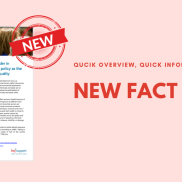
New Fact Sheet: Gender mainstreaming in chemicals and waste policiesGender equality is a core human rights and development issue, as highlighted in several international and regional human rights instruments, including those that are part of multilateral environmental agreements. Law-binding and voluntary agreements on chemicals and waste are no exception and play an essential role in increasing the participation of women and men in the management of chemicals and waste, while contributing to gender equality.The fact sheet includes examples of texts
Factsheets and brochures

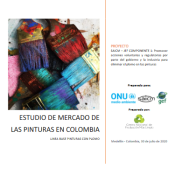
Market Analysis of the paint industry in Colombia (Draft / Spanish only)

Las pinturas se han convertido en parte esencial del estilo de vida de la sociedad moderna, el color de ellas es apetecido por sus funciones estéticas, decorativas, de protección para productos y hasta en usos como códigos de seguridad, sin embargo, su producción y uso plantea aun muchos retos en los cuales se viene trabajando tanto a nivel mundial como local.Los países más industrializados prohibieron desde hace más de 40 años el uso de pinturas con plomo. Colombia aún carece
Emerging Policy Issues: Lead in paint
Topics: Policymaking
Factsheets and brochures

Questions & Answers on Lead

Questions and answers on lead from the World Health Organization:What is lead? What is lead poisoning? What are the health effects of lead exposure? What are the costs associated with lead exposure? What are the sources of human exposure to lead? How important are used lead-acid batteries as a source of lead exposure? What is lead paint? Why is lead paint an important source of human exposure? What are the economic costs of lead paint? What is the Global Alliance
Emerging Policy Issues: Lead in paint
Website

Pesticide Registration Toolkit

by
FAO
|
June 2020
copied to clipboard
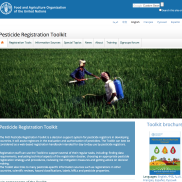
The FAO Pesticide Registration Toolkit is a decision support system for pesticide registrars in developing countries. It will assist registrars in the evaluation and authorization of pesticides. The Toolkit can best be considered as a web-based registration handbook intended for day-to-day use by pesticide registrars.Registration staff can use the Toolkit to support several of their regular tasks, including: finding data requirements, evaluating technical aspects of the registration dossier, choosing an appropriate pesticide registration strategy and procedures, reviewing risk mitigation measures
Emerging Policy Issues: Highly Hazardous Pesticides
Factsheets and brochures

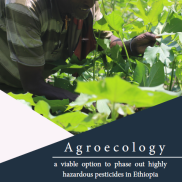
Agroecology – a viable option to phase out highly hazardous pesticides in Ethiopia

Agriculture in Ethiopia is the foundation of the country's economy. In an effort to increase production and productivity, the agriculture sector puts the use of inputs like pesticides and fertilizers as driving forces.The use of agricultural inputs, including pesticides, was introduced to smallholder farmers from the 1960s through agricultural extension systems. Since then, pesticide use by smallholder farmers showed a steady growth. This increasing trend in the use of pesticides as part of a development plan poses threats to human
Emerging Policy Issues: Highly Hazardous Pesticides
Website

UNITAR Nanotechnology webpage

by
UNITAR
|
April 2020
copied to clipboard
UNITAR Website webpage indicates activities and resources to learn more about nanotechnology and manufactured nanomaterials (nano). The third International Conference on Chemicals Management (ICCM3) emphasized: “the need for UNITAR and the Organization for Economic Cooperation and Development to continue development of international guidance and training materials for the sound management of manufactured nanomaterials, drawing on existing initiatives, needs assessment and best practices, within their respective mandates and subject to available resources in cooperation with the regions and other relevant stakeholders"
Emerging Policy Issues: Nanotechnology

Avatar