96 resources found

Factsheets and brochures

Gender mainstreaming in chemicals and waste policies

by
HEJSupport International
|
August 2020
copied to clipboard
New Fact Sheet: Gender mainstreaming in chemicals and waste policiesGender equality is a core human rights and development issue, as highlighted in several international and regional human rights instruments, including those that are part of multilateral environmental agreements. Law-binding and voluntary agreements on chemicals and waste are no exception and play an essential role in increasing the participation of women and men in the management of chemicals and waste, while contributing to gender equality.The fact sheet includes examples of texts
Factsheets and brochures

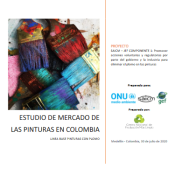
Market Analysis of the paint industry in Colombia (Draft / Spanish only)

Las pinturas se han convertido en parte esencial del estilo de vida de la sociedad moderna, el color de ellas es apetecido por sus funciones estéticas, decorativas, de protección para productos y hasta en usos como códigos de seguridad, sin embargo, su producción y uso plantea aun muchos retos en los cuales se viene trabajando tanto a nivel mundial como local.Los países más industrializados prohibieron desde hace más de 40 años el uso de pinturas con plomo. Colombia aún carece
Emerging Policy Issues: Lead in paint
Topics: Policymaking
Factsheets and brochures

Questions & Answers on Lead

Questions and answers on lead from the World Health Organization:What is lead? What is lead poisoning? What are the health effects of lead exposure? What are the costs associated with lead exposure? What are the sources of human exposure to lead? How important are used lead-acid batteries as a source of lead exposure? What is lead paint? Why is lead paint an important source of human exposure? What are the economic costs of lead paint? What is the Global Alliance
Emerging Policy Issues: Lead in paint
Report

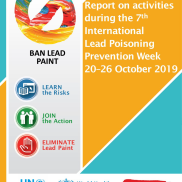
Report of the 2019 International Lead poisoning Prevention Week

From 20 to 26 October 2019 the seventh International Lead Poisoning Prevention Week of action (ILPPW) took place in countries around the world. This report describes some of the activities held during the week. As with earlier years, the Global Alliance to Eliminate Lead Paint (the Lead Paint Alliance) provided a campaign resource package and a range of multilingual campaign materials. All the materials were made available from the World Health Organization (WHO) website.
Emerging Policy Issues: Lead in paint
Factsheets and brochures

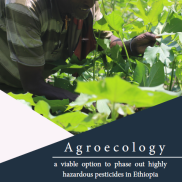
Agroecology – a viable option to phase out highly hazardous pesticides in Ethiopia

Agriculture in Ethiopia is the foundation of the country's economy. In an effort to increase production and productivity, the agriculture sector puts the use of inputs like pesticides and fertilizers as driving forces.The use of agricultural inputs, including pesticides, was introduced to smallholder farmers from the 1960s through agricultural extension systems. Since then, pesticide use by smallholder farmers showed a steady growth. This increasing trend in the use of pesticides as part of a development plan poses threats to human
Emerging Policy Issues: Highly Hazardous Pesticides
Report

The Illegal Trade in Chemicals

This novel publication provides an overview of the knowledge gap and enforcement challenges in the illegal trade of toxic, hazardous and severely restricted chemicals, as well as in non-existing or low areas of chemical regulations.Chemicals surround us in our daily lives providing benefit to people and society. However, chemicals can contaminate all components of ecosystems and are implicated in a range of acute and chronic health problems. Though a range of guidelines now govern the trade in chemicals, many remain
Report

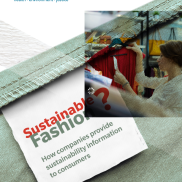
Sustainable Fashion? How companies provide sustainability information to consumers

by
HEJSupport International
|
March 2020
copied to clipboard
The new report “Sustainable Fashion? How companies provide sustainability information to consumers” by HEJSupport touches upon gaps in the current provision of product sustainability information to consumers, with the aim of suggesting a way forward which makes consumers a driving force able to shape the future of sustainable textiles.The report provides recommendations for business, policy makers and consumers.The sustainability of the fashion industry largely depends on the work of regulators and product manufacturers, including their suppliers. But very often the
Emerging Policy Issues: Chemicals in products

Avatar