- Knowledge Management
- Chemicals in building products
- Policymaking
- Sustainable Development Goals
- Chemicals in electronics
- Circularity
- Awareness-raising
- E-waste
- Gender mainstreaming
- Chemicals in toys
- Life Cycle
- Eco-innovation
- Persistent organic pollutants (POPs)
- Chemicals in textiles
- Sustainable Public Procurement
- Artificial Intelligence
28 resources found

Textiles Under a New Global Chemicals and Waste Framework

When negotiators convene at the fifth International Conference on Chemicals Management (ICCM5) in Bonn, Germany, in September 2023 to decide on a new global framework for the sustainable management of chemicals and waste, they will consider draft targets, and one of the proposals for implementation of the new framework seeks to encourage select “chemical intensive economic sectors and value chains” to scale-up global action that produces concrete results. One specific draft target calls for the development of sustainable chemical and waste management strategies in chemical intensive sectors and industries across value chains. The negotiations seek to develop a new global framework to replace the Strategic Approach to International Chemicals Management (SAICM) created by ICCM1 in 2006.
At a January 2023 workshop convened in Paris, France, by the proponent of the implementation proposal, the Inter-Organization Programme for the Sound Management of Chemicals (IOMC), textiles was discussed as a candidate sector for implementation. The IOMC plans a further stakeholder consultation from 20-21 June 2023 to flesh out ideas for guidance to support strategies and a possible global programme on advancing chemicals and waste management in economic industry sectors and their value chains.
At a negotiating session held in Bucharest, Romania, in August 2022, the textiles sector was an active participant in the talks: the Zero Discharge of Hazardous Chemicals (ZDHC) – a multi-stakeholder organization comprising over 150 contributors, including leading brands such as Adidas, Nike, and Levi Straus – made statements about the sector’s desire to actively engage in the future framework, and offered proposals for framework elements such as sectoral targets and indicators.
The UN Environment Programme (UNEP) has identified textiles – which encompasses not only apparel and footwear, but also some home furnishings (e.g., carpets, curtains, and upholstery) and “technical textiles” (e.g., medical textiles, geotextiles, seat covers, and protective clothing) – as a high-priority industry sector in shifting to a circular economy. Its importance to economies, natural resource management, gender equality, and sustainable development has been reflected in UNEP’s Medium-Term Strategy, resulting in the development of UNEP’s Textile Flagship Initiative. The Initiative aims to align UNEP’s work across three priorities needed to deliver system change towards sustainability and circularity – shifting consumption patterns, improving practices, and investing in infrastructure. These priorities are reflected in UNEP’s forthcoming report titled, ‘Sustainability and Circularity in the Textile Value Chain: A Global Roadmap.’ One of the impact areas of the project aims to reduce pollution in the environment and its impacts on human health by managing chemicals of concern across the textiles value chain.
This Policy Brief discusses SAICM’s longstanding interest in the textiles sector, the IOMC’s proposal, and how an implementation programme under the successor framework might engage with the industry.
SAICM and its interest in the textiles sector
SAICM grew out of a goal endorsed by the 2002 World Summit on Sustainable Development (WSSD) for the world to use and produce chemicals by 2020 in ways that minimize significant adverse effects on human health and the environment. The WSSD also called for developing “a strategic approach to international chemicals management” by 2005. This led to SAICM’s launch at ICCM1 in 2006 as a flexible, voluntary, non-binding, multi-stakeholder, and multi-sectoral initiative dedicated to promoting collaboration aimed at achieving the 2020 goal.
As originally conceived, SAICM was due to expire when ICCM5 convened in 2020. However, by the time ICCM4 convened in September 2015, it became clear that the 2020 goal would not be achieved in most countries. ICCM4 decided to launch an intersessional process aimed at designing a post-2020 framework or platform for the sound management of both chemicals and waste for consideration by ICCM5 in 2020. Due to delays in negotiations caused by the COVID-19 pandemic, ICCM5 was postponed until September 2023.
SAICM’s interest in the textiles sector as a significant user of chemicals came early, primarily through its Chemicals in Products (CiP) initiative. CiP was designated as an Emerging Policy Issue in 2009, and a CiP Programme was created by ICCM3 in 2012, led by UNEP, with a focus on four priority sectors, one of which was textiles. In the run up to ICCM3, UNEP produced a CiP case study on chemicals in textiles.
SAICM has also produced relevant knowledge products, such as the report and a policy brief on addressing per- and polyfluoroalkyl substances (PFAS) as a chemical class in the textile industry. The report and brief suggest how SAICM might advance the concept of approaching PFAS as a class of chemicals for control purposes, rather than chemical-by-chemical as the Stockholm Convention on Persistent Organic Pollutants (POPs) does, and phase out non-essential uses, the textile sector serving as a test case.
IOMC’s proposal for sectoral implementation programmes under a new global framework
The IOMC is an international coordinating group bringing together nine Participating Organizations to promote sound chemical management worldwide through coordination of policies and activities. Participating Organizations include UNEP, the Food and Agriculture Organization of the UN (FAO), the International Labour Organization (ILO), the UN Development Programme (UNDP), the UN Industrial Development Organization (UNIDO), the UN Institute for Training and Research (UNITAR), the World Health Organization (WHO), the World Bank, and the Organisation for Economic Co-operation and Development (OECD).
In a discussion paper presenting its proposals for an implementation programme under the new global framework, the IOMC suggests encouraging further action “based on industry initiatives that have been initiated voluntarily, resulted from regulatory requirements, or responded to pressure from public interest groups.” It also suggests choosing industry sectors and product value chains whose retailers have already undertaken “frontrunner” initiatives demonstrating commitment and willingness to engage, with a view to strengthening, linking, and expanding such initiatives.
The textiles industry qualifies on all counts. Major brands and retailers form the backbone of ZDHC. They have already developed several chemical restriction lists, management guidance, and standards, and backed certification and labeling schemes. Major brands, retailers, trade associations, and others in the sector have also engaged in the Ellen MacArthur Foundation’s Make Textiles Circular initiative, the Fashion Pact, the Policy Hub, and the Fashion Industry Charter for Climate Action.
In addition, the Global Environment Facility (GEF) can be recruited for realizing this implementation programme, as it is already committed to such work under GEF-8 programming directions. The GEF’s new Elimination of Hazardous Chemicals from Supply Chains Integrated Program commits the Facility to work on the textiles supply chain. A recently launched UNEP-implemented GEF project will work with four Asian nations – Bangladesh, Indonesia, Pakistan, and Viet Nam – representing 15% of global clothing exports to address chemicals of concern in their textiles industries.
The IOMC paper suggests engaging a candidate economic industry to develop, through dialogue, a sector vision and roadmap concerning important sustainability parameters, such as minimizing the use of hazardous substances, or advancing circularity objectives, which cover at least four areas:
- advancing the science on chemicals of concern;
- advancing green and sustainable chemistry technology innovation;
- strengthening regulations and policies; and
- mobilizing finance.
The textile sector already has a head start on this front, since it has been engaged with UNEP in dialogue to develop the aforementioned global roadmap for sustainability and circularity for the sector.
The paper further suggests that each sector and industry initiative outline specific measures or steps to take, such as:
- developing a list of hazardous substances causing concern in raw materials and supplies and production processes, such as a manufacturing restricted substances list (MRSL);
- developing standards that specify acceptable levels of chemical residues in finished products, either through a restricted substances list (RSL) or maximum residue levels;
- developing and implementing risk reduction measures to minimize occupational and public exposure, as well as emissions to air, land, and water, when hazardous substances cannot be phased out;
- identifying and implementing sustainable practices and alternatives, including through green and sustainable chemistry innovation, such as changes in processes, recipes, or product design, based on robust criteria and guidance on what constitutes safer alternatives; and
- developing sector-specific indicators to measure progress.
Here, too, the textile sector has a head start on these tasks. Oeko-Tex, the American Apparel & Footwear Association (AAFA), Apparel & Footwear International RSL Management Working Group (AFIRM), and Bluesign have developed RSLs, and most major brands have developed their own RSLs aligned with one or several of these four. Oeko-Tex and ZDHC have developed MRSLs, and individual companies, if they have an MRSL, tend to align theirs with ZDHC’s. There are also several relevant certification and labeling schemes (see Figure 1), and textile-sector goals and targets have been developed to provide indicators for measuring progress (see Figure 2).
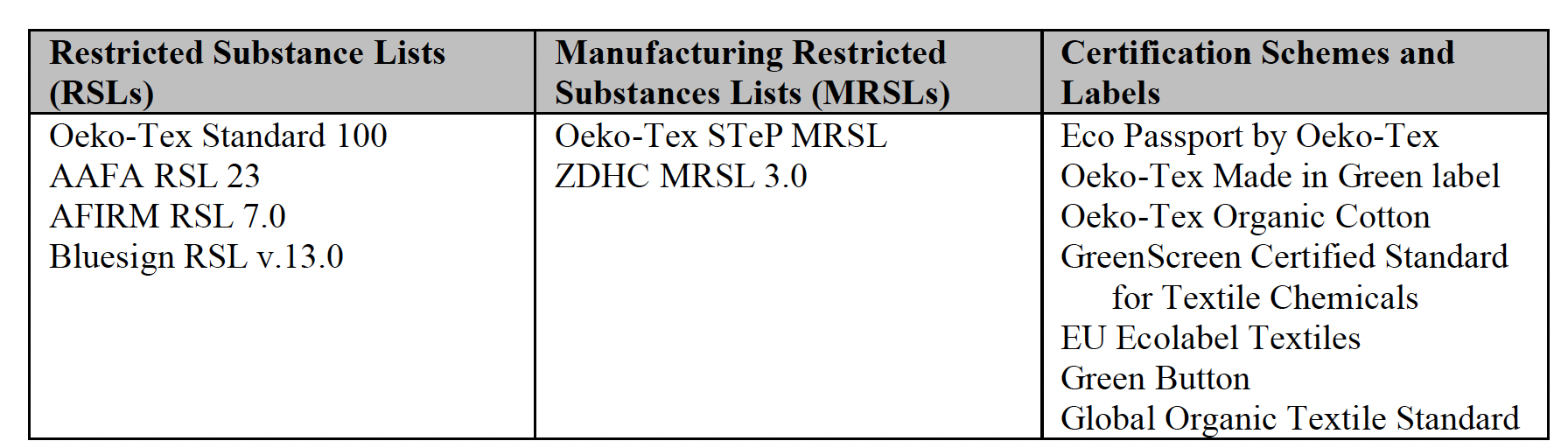
Figure 1: Relevant restricted lists, certification schemes and labels regarding chemicals in textiles
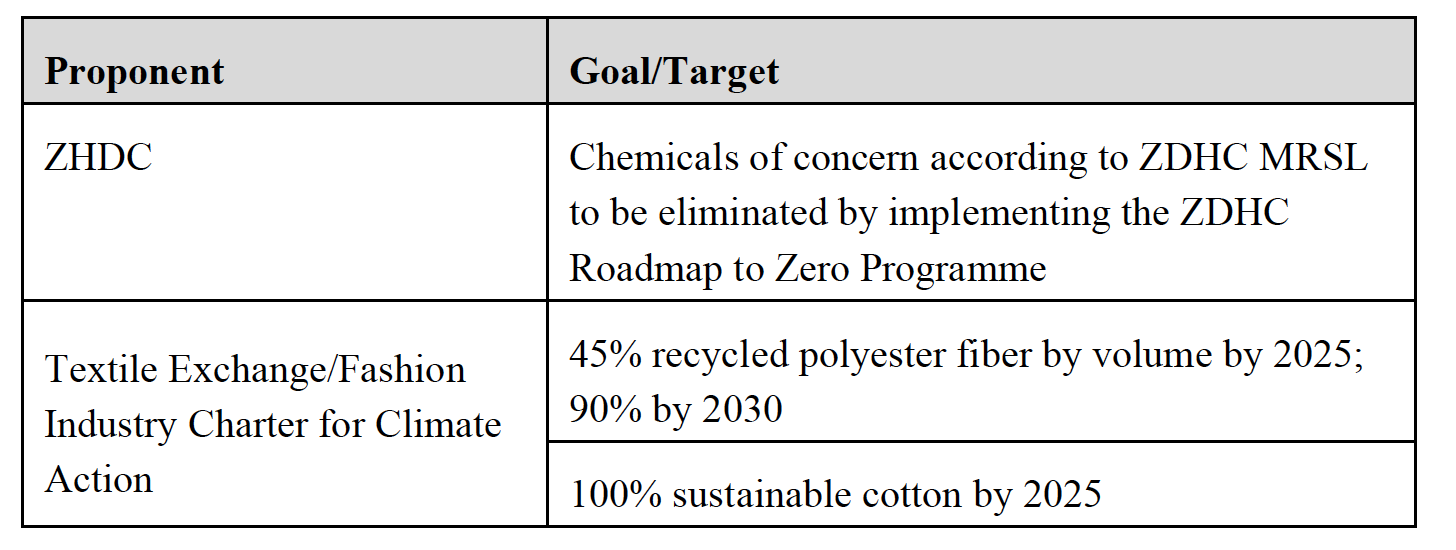
Figure 2: Existing goals/targets regarding chemicals/circularity in textiles
Focusing on chemicals of concern in textile production under a future framework implementation programme
The textile sector may have a head start, but much work on chemicals management in the sector remains that could be taken up by an implementation programme under the new global chemicals and waste framework.
For example, while ZDHC’s MRSL is well regarded, its adherents currently account for only a limited percentage of the industry and the list notably is not taken up by the many small and medium-sized enterprises (SMEs) that comprise much of the textile value chain.
As for RSLs, while many companies have adopted their own, these vary, as do the competing attempts at developing harmonized RSLs (Okeo-Tex, AFIRM, AAFA). Furthermore, existing RSLs tend to reflect only the chemical restrictions currently in place by major regulators – primarily the European Union (EU) – and the principal international convention restricting hazardous substances, the Stockholm Convention on POPs. In addition, these restrictions cover only dozens of the thousands of chemicals used in textile production, usually do not address all categories of concern (prioritizing carcinogens, mutagens, and teratogens, but not always toxins to aquatic life, endocrine disruptors, allergens, or irritants), and involve substances selected on a slow substance-by-substance basis that requires years to arrive at final regulatory decisions.
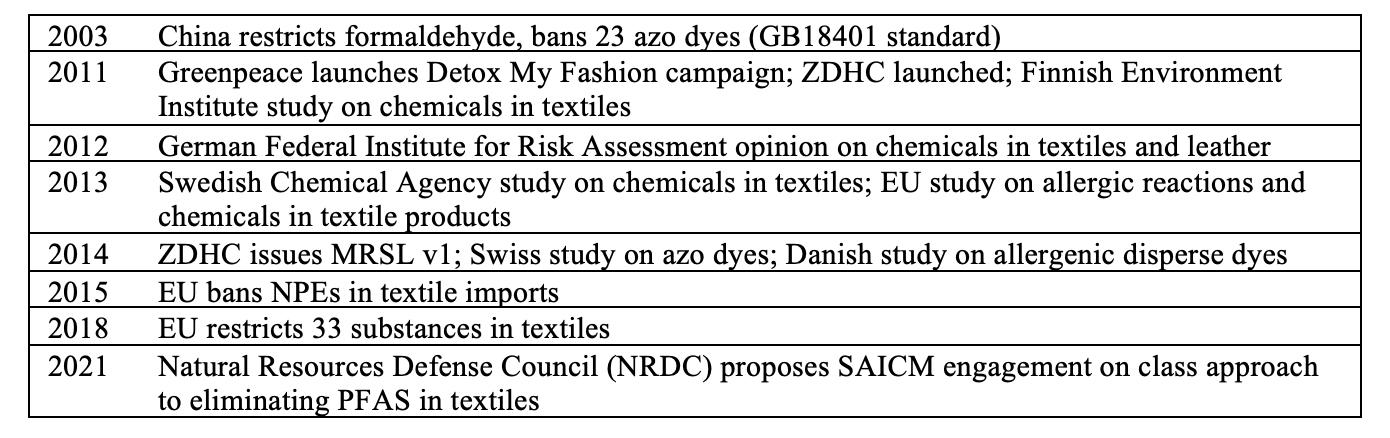
Figure 3: A timeline of existing initiatives on chemicals of concern in textiles
What would it take to address all potential chemicals of concern in the textile value chain?
Among the fibers used in textile production globally in 2021, cotton has the largest share among natural fibers (22% of all fibers), and polyester the largest among synthetic fibers (54% of all fibers). Other inputs include man-made cellulosic fibers, nylon, acrylic, leather, wool, polyurethane, bamboo, and silk.
In the case of natural fibers, chemical use starts during farming. Cotton is a significant consumer of chemical pesticides and fertilizers. In 2019, cotton accounted for 4.71%, by value, of all the chemical pesticides sold globally, and 10.24%, by value of all insecticides used in global crop protection. In 2018, cotton accounted for around 4% of global nitrogen and phosphorus fertilizer consumption. A push for greater global adherence to an organic cotton or organic textile standard, while recognizing the need for in-conversion/ transitional periods and support for farmers to move towards organic practices, could significantly cut consumption of chemicals at this stage in the value chain.
Whether made from natural or synthetic fibers or some combination thereof, all textiles undergo significant chemical treatment at many production and processing stages before their sale to the final consumer.
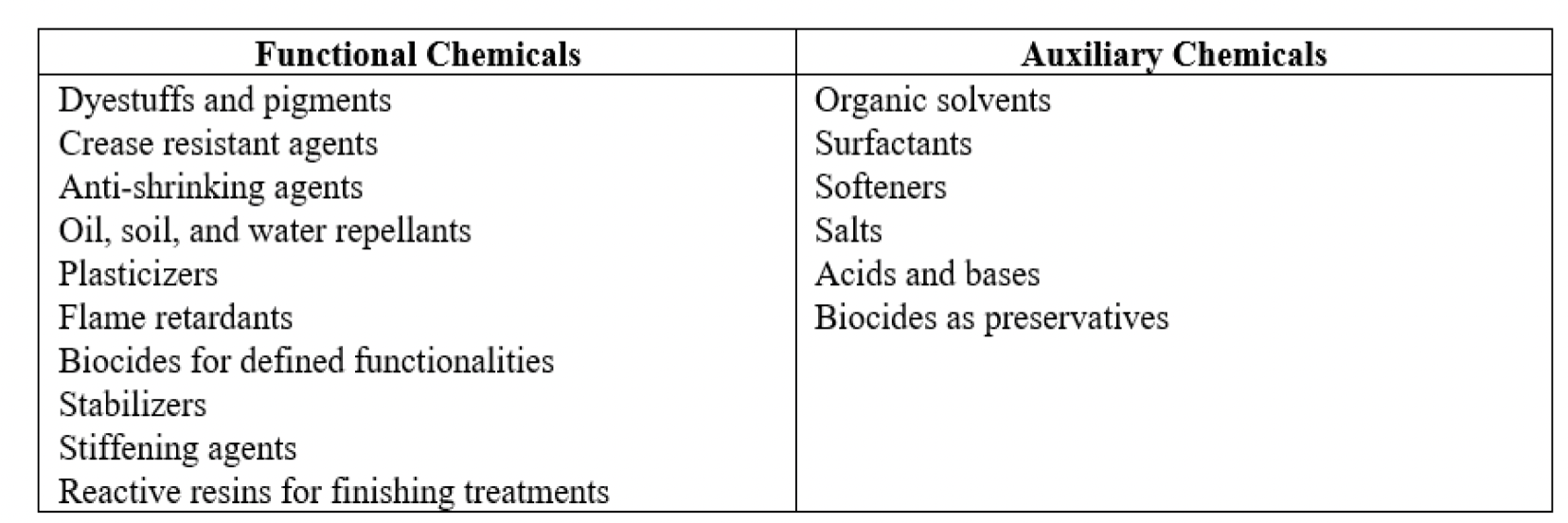
Figure 4: Types of Chemicals Used in the Textiles Industry Source: Adapted from NRDC, A Review of PAS as a Chemical Class in the Textile Sector (2021)
Currently, obtaining complete, accurate, and up-to-date information on the number, volumes, and identities of the chemicals used in textile production is difficult. Two oft-cited estimates are that over 8,000 chemicals are used in textile production and that for every one kilogram (kg) of cotton textiles made, 0.35-1.5 kg of chemicals are used. However, the origins of both estimates are hard to pin down. These figures are also from over ten years ago and may not reflect current market realities.
A comprehensive survey, inventory, or database of chemicals used in textile production would be difficult to complete due to the complexity and global nature of the textiles value chain, involving stages and actors across many countries and jurisdictions with varying ranges of capacity, regulation, industry standards, and diligence. Inter-party communication about, and tracking of, chemicals used among the points in the chain is often minimal. A concerted effort by IOMC Participating Organizations, governments, industry (including SMEs), and non-governmental organizations (NGOs) from across the globe under the umbrella of an implementation programme such as the one the IOMC proposes might be able to accomplish this task.
Without better accounting of the universe of chemicals used in textiles production, it is difficult to identify, triage, assess, and regulate chemicals of concern, deciding which need to be banned, which need to be subjected to occupational exposure and/or emission limits (wet processing of textiles, for example, is a major source of wastewater discharges), and the presence of which chemicals in textile products (and at what levels) should be mandatory to disclose to consumers. Some have already been identified (see Figure 4), but the current extent of their use worldwide remains unclear – another data gap an implementation programme might address.
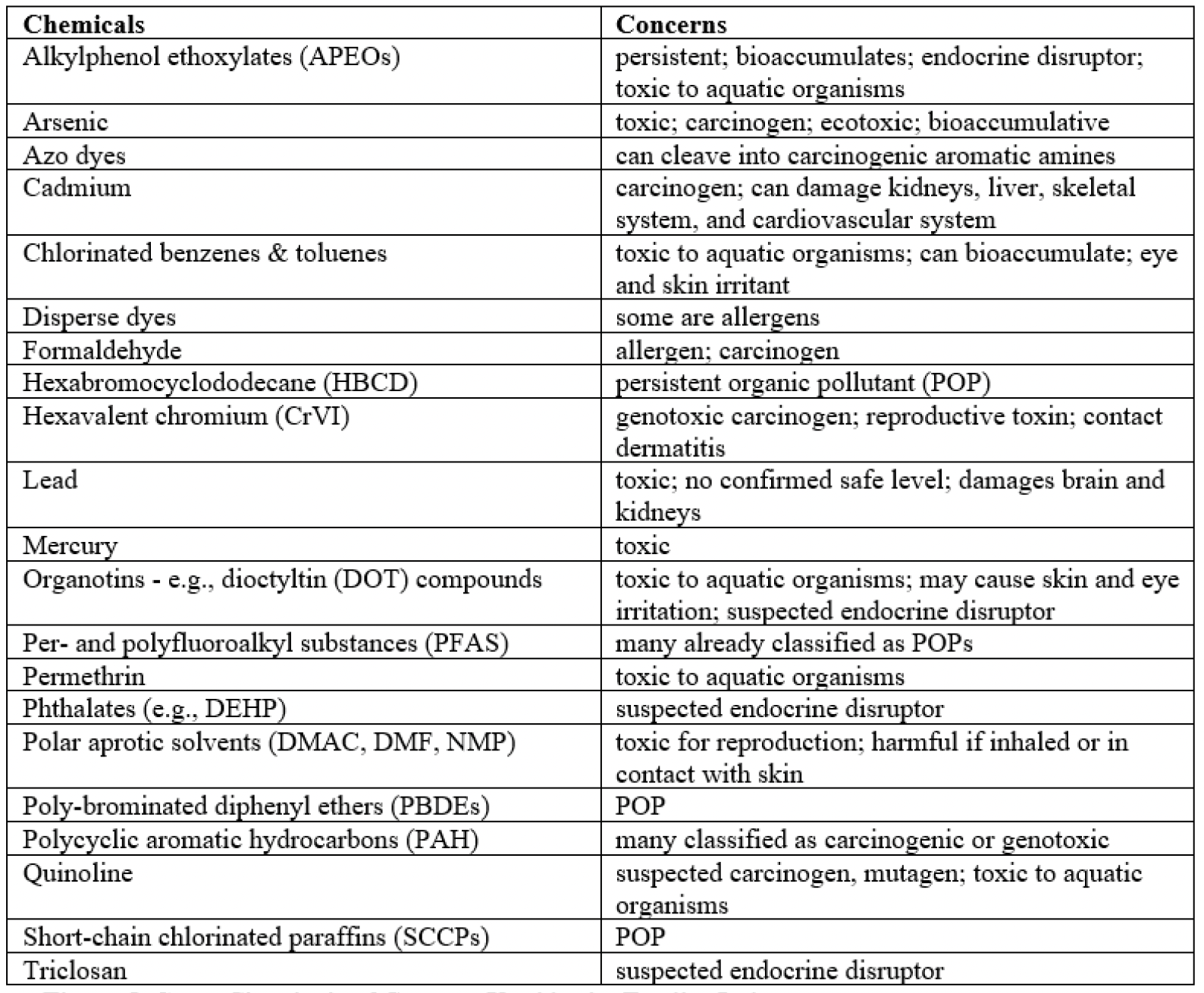
Figure 5: Some Chemicals of Concern Used in the Textiles Industry Source: Compiled by the author from various sources
The stakeholder consultation process involved in an implementation programme could address how to prioritize and allocate reviews of possible chemicals of concern, possibly through the chemical class or family approach instead of substance-by-substance, such as the Natural Resources Defense Council (NRDC) has suggested for PFAS. Identified chemicals of concern could be added to a globally harmonized MRSL. The value chain could then use the MRSL to prioritize chemicals for restrictions or phaseout and for targeting for substitution without waiting for regulatory agencies to act. A commonly agreed certification and/or labeling scheme could identify which brands and products align with the harmonized MRSL. In those cases where emissions or occupational exposure are involved, maximum permissible levels could be identified in accordance with best practice and shared as guidance across the value chain, as ZDHC is seeking to do with its wastewater guidelines.
Another chemicals in textiles issue an implementation programme might address is trade. Several recent studies have shown that even when a jurisdiction outlaws chemicals of concern in textiles, imported apparel found for retail sale in that jurisdiction still contains values violating the restrictions. The new programme can identify trade issues for follow-up in appropriate fora such as the World Trade Organization (WTO) and could also identify and/or provide support required to downstream chemical users, including SMEs.
A possible waste management component for a textiles sector implementation programme?
While SAICM has tended to focus more on chemicals management than waste issues, negotiators of the successor framework conceive of it addressing the latter as well. The IOMC’s proposal for an implementation programme reflects this expected broader mandate, although it elaborates on chemicals management but not on waste management.
The textiles sector is very wasteful and almost entirely linear, so there could be much to discuss under an implementation programme of the type conceived by the IOMC. While textile production volumes doubled from 2000-2015, the clothing utilization rate, that is the number of times a garment is worn before it ceases to be used, decreased by an average of 36%. Reportedly, more than half of “fast fashion” is disposed of within a year. Of the total fiber input used to produce clothing, 87% ends up being landfilled or incinerated – the equivalent of one garbage truck full of clothes disposed every second. Less than 1% of material used to produce clothing is recycled into new clothing, a recycling rate ranking below that of most single-use plastic packaging.
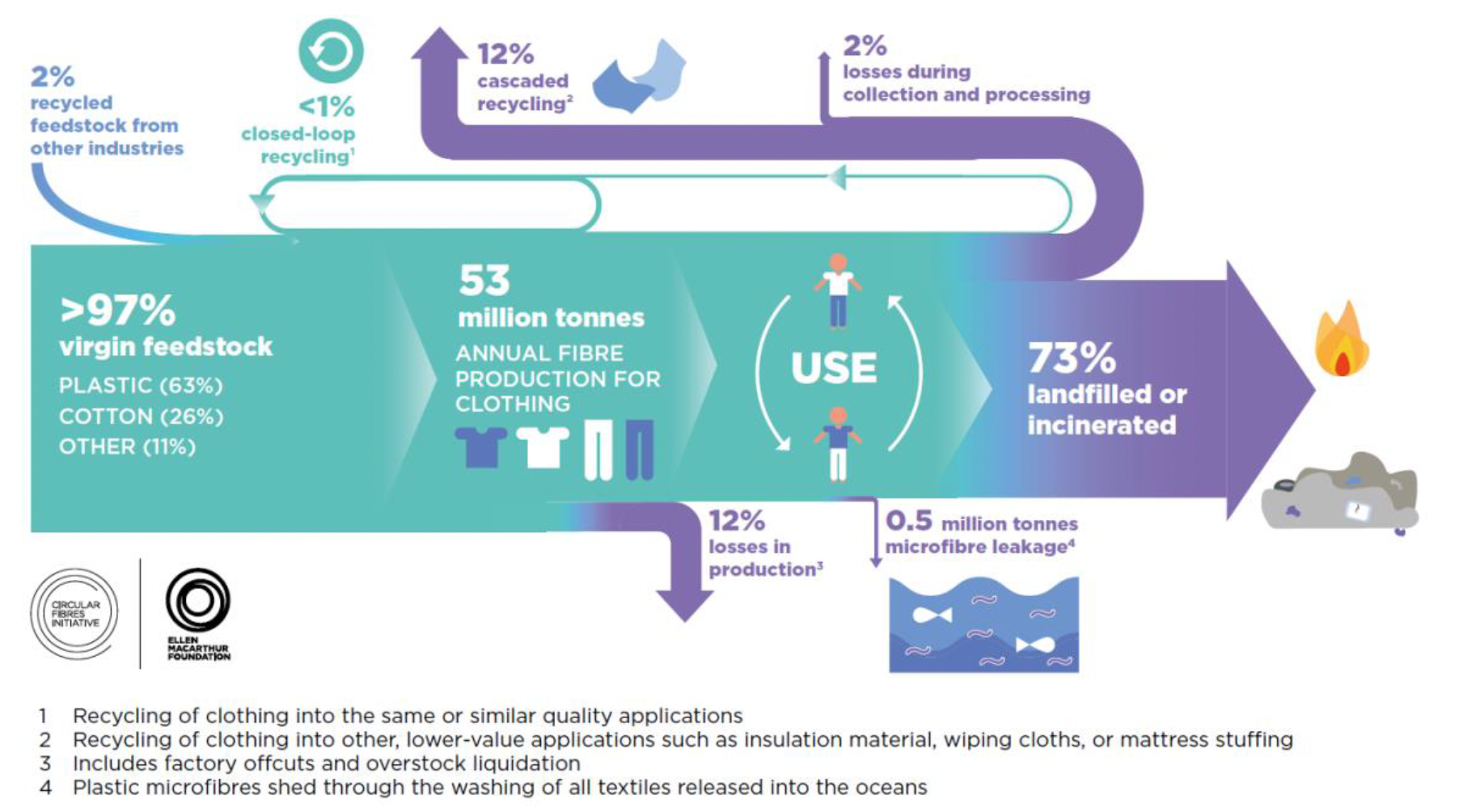
Figure 6: Global material flows for clothing in 2015
Source: Ellen MacArthur Foundation, A new textiles economy: Redesigning fashion’s future (2017)
Circularity goes well beyond waste management and recycling fibers. As outlined by UNEP (Figure 6), “reduce by design” aims to reduce the amount of material, particularly raw material, and hazardous chemicals consumed during production and during use, from the very beginning of product and service conceptualization. Production and consumption patterns as well as end-of-life processes of textile products are optimized via innovative product designs and business models, resulting in not only eliminated harmful impacts and waste but also improved social protections and business resilience. However, there is a need to reduce the harm of the linear textile system we have today, while preparing for the needs and wants of the circular textile system of tomorrow, and this includes better waste management.
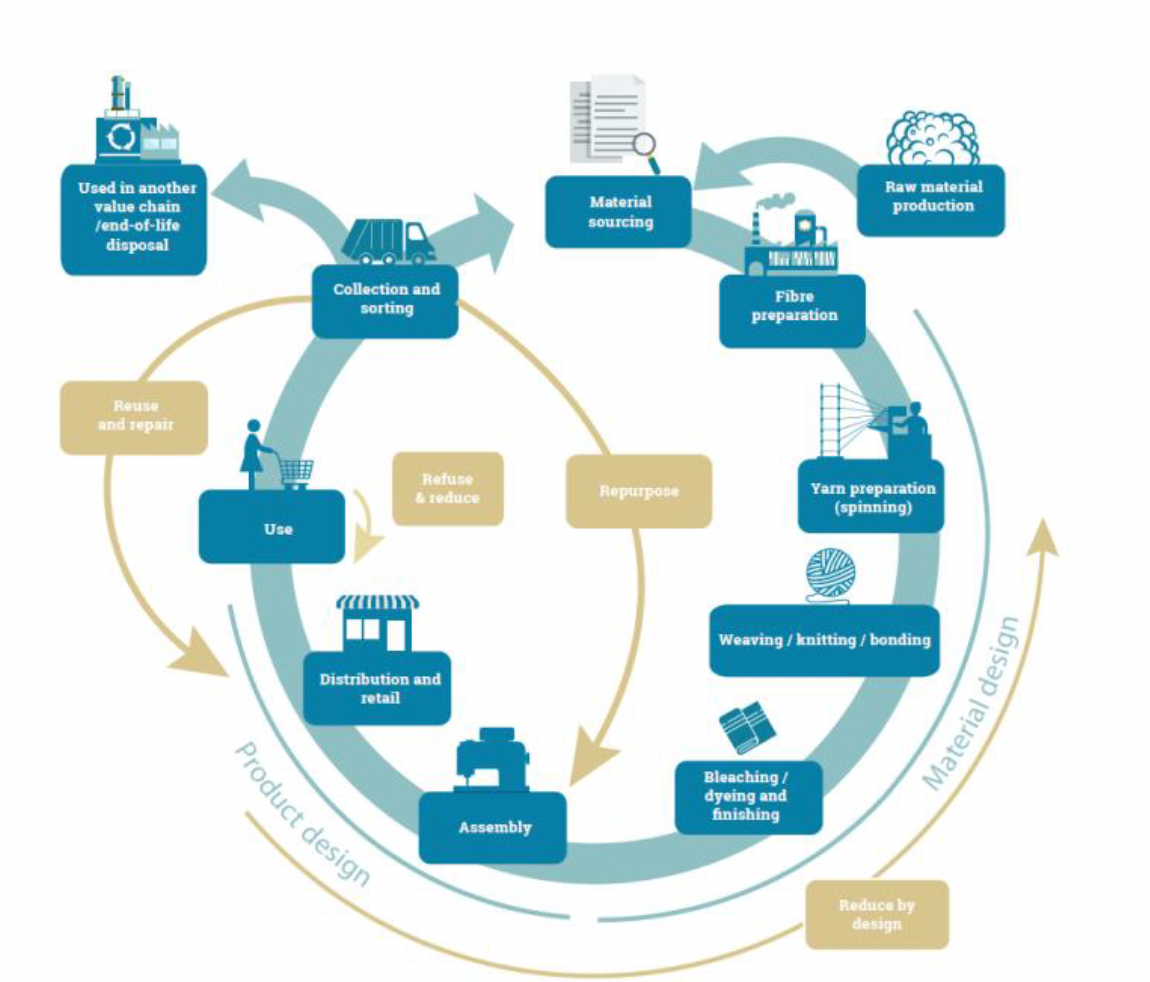
Figure 7. A circular textile value chain
Source: UNEP, Sustainability and Circularity in the Textile Value Chain: Global Stocktaking (2021)
Strategies for a circular economy specific to the textiles value chain have been proposed by UNEP, the Ellen MacArthur Foundation, the EU, Germany, and the Netherlands. The UN Alliance for Sustainable Fashion has engaged the fashion industry in discussions on steps to create a circular economy in textiles, as has UNEP. The Global Fashion Agenda (GFA) has created a Global Circular Fashion Forum and worked with UNEP to identify and converge existing industry targets, including on smart material choices, resource stewardship (including a specific target on chemicals of concern management/phaseout), and circular systems. The GEF has already approved two projects on circular economy and textiles covering four African countries, one implemented by UNEP, the other by UNIDO.
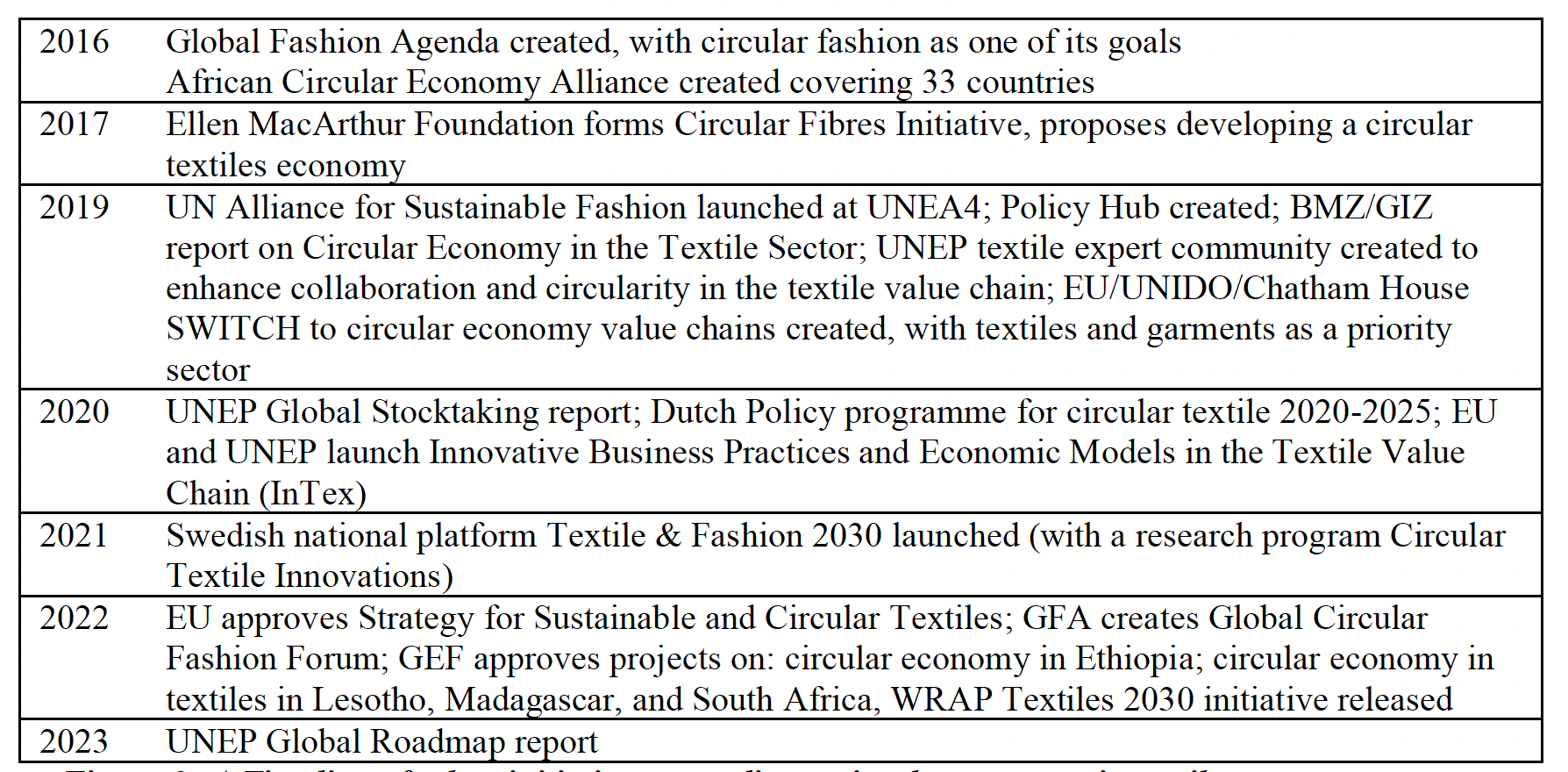
Figure 8: A Timeline of select initiatives regarding a circular economy in textiles
Hence, the building blocks are there to work with in any waste management component of the proposed implementation programme and also look at circularity more widely (with a focus on chemicals), but a rationale for the value added that the SAICM successor can bring needs to be elaborated and the issues for the waste component to focus on remain to be fleshed out.
The new global chemicals and waste framework might contribute to the existing work on circularity in the textiles sector by:
- linking together the disparate country- and regional-focused initiatives, and giving them true global scope, while elevating the challenges and support required into strategic high-level discussions;
- broadening the circular textiles discussions to involve interested IOMC Participating Organizations that are not part of the UN system, such as the OECD and the World Bank, and tabling the central role of chemicals management for circularity in the discussions;
- engaging the GEF in helping to develop the initiative, since IOMC Participating Organizations UNEP, UNIDO, UNDP, and the World Bank are GEF Implementing Agencies, and GEF-8 envisions work in this vein;
- broadening the circular textiles discussions to include more parts of the textiles value chain than just apparel; and
- broadening the discussions beyond the limited group of major brands and retailers already involved in existing circular textile initiatives, particularly by engaging the many SMEs in the chain.
The Road to Bonn: Paving the way for textiles to take the spotlight in implementation of the new chemicals and waste framework
The IOMC plans a stakeholder consultation from 20-21 June 2023 to further flesh out ideas for a possible global programme on advancing chemicals and waste management in economic sectors and value chains. The IOMC, working with Participating Organizations, the SAICM Secretariat, and perhaps engaging the GEF Secretariat as well, should use the stakeholder consultation as a springboard for active dialogue with stakeholders in the months leading up to ICCM5 in September on which chemical-intensive sectors to focus on. The textiles sector is a good candidate to become one of the first focus sectors. With a view to presenting a robust proposal for consideration at ICCM5 in Bonn, the dialogue should outline and flesh out what an implementation programme for the textiles sector might look like, which chemicals and waste management issues the implementation programme could provide value added on and should address, and possible objectives, targets, and indicators for the programme. The dialogue might also highlight global work undertaken in the textile industry which could be relevant for other chemical-intensive sectors facing challenges.
* * *
This document has been developed within the framework of the Global Environment Facility (GEF) project ID: 9771 on Global Best Practices on Emerging Chemical Policy Issues of Concern under the Strategic Approach to International Chemicals Management (SAICM). This project is funded by the GEF, implemented by UNEP, and executed by the SAICM Secretariat. The International Institute for Sustainable Development acknowledges the financial contribution of the GEF to the development of this policy brief.
This Policy Brief is the sixth in a series featuring cross-cutting topics relating to the sound management of chemicals and waste. It was written by Keith Ripley, Earth Negotiations Bulletin (ENB) team leader and writer. The series editor is Elena Kosolapova, Senior Policy Advisor, Tracking Progress Program, IISD.
RELATED EVENTS


The use of PFAS and fluorine-free alternatives in textiles, upholstry, carpets, leather and apparel
This study, commissioned by DG Environment for the European Commission and produced by Wood and Ramboll. The objective was to assess the use of PFASs and fluorine-free alternatives in textiles, upholstry, carpets, leather and apparel, including specific focus on volumes of use, technical function, and emissions.
Non-fluorine alternatives considered were hydrocarbons, silicones, dendrimers, polyurethane, nanomaterials, and alternative technologies. The study makes recommendations for policy, including a REACH restriction on the placing on the market and use of these products that contain any PFAS, and a listing under the Stockholm Convention. It is also recommended in the report that a restriction could be combined with voluntary industry measures and provisions in public procurement to encourage substitution of PFAS before mandatory legislation is introduced.

Creating a Strong Policy Framework for Sound Chemicals Management
Chemicals are essential to many household and industrial activities, but they also pose threats to humans, wildlife, and ecosystem health. The World Summit for Social Development (WSSD) in 1995 called for developing “a strategic approach to international chemicals management” by 2005, and set a 2020 target to minimize the significant adverse effects of chemicals on human health and the environment.
Since then, the international community has taken some important steps, adopting multilateral agreements on prior informed consent (PIC), persistent organic pollutants (POPs), and mercury, as well as continuing prior work on the transboundary movement of hazardous waste. An overarching policy process, the Strategic Approach to International Chemicals Management (SAICM), was established in Dubai in 2006. While some progress has been made, the ambition for an overall strong post-2020 regime on chemicals and waste has not yet been achieved.
To support negotiations toward a post-2020 regime, in 2019, the fourth session of the UN Environment Assembly (UNEA-4) called for review of evidence published within the previous decade (Resolution 4/8) to support further discussion at UNEA-5 and other international forums working toward sound management of chemicals and waste. Following on from this, in 2020, the UN Environment Programme (UNEP) published a major report titled, ‘An Assessment on Issues of Concern: Chemicals and Waste Issues Posing Risks to Human Health and the Environment.’ The report highlights challenges and opportunities for sound chemicals management, and proposes policy and management options.
This policy brief provides a summary and perspective on that report, in light of the most recent developments on chemicals and waste.
The eight issues identified under SAICM
The 2006 Dubai Declaration and Overarching Policy Strategy called for the SAICM process to identify “emerging policy issues” (EPIs), based on specified criteria that include the magnitude and impacts of the problems, their cross-cutting nature, and the status of knowledge and action around those issues, with the aim to avoid duplication of efforts. To date, the SAICM process has identified six EPIs, namely:
- chemicals in products;
- endocrine disrupting chemicals;
- environmentally persistent pharmaceutical pollutants;
- hazardous substances within the life cycle of electrical and electronic products;
- lead in paint; and
- nanotechnology and manufactured nanomaterials.
Two other “issues of concern” have also been highlighted for action:
- highly hazardous pesticides; and
- per- and polyfluoroalkyl substances.
This section provides a summary of these issues, as reflected in the UNEP report.
Chemicals in products (CIP), including those used in many consumer items, are not always listed on labels. The CIP programme, launched by UNEP, SAICM, and the Inter-Organization Programme for the Sound Management of Chemicals (IOMC) in 2015, promotes information exchange about chemicals of concern so that all users can make informed choices. That includes not only the companies within the product supply chain, but also others, such as designers, consumers, waste managers, and users. This is truly a global challenge because product life cycles often span different countries – they are made in one country, used in another, and finally recycled or disposed in yet another.
Endocrine disrupting chemicals (EDCs) affect the characteristics of sexual organs and reproduction in humans and animals. More than 1,400 chemicals in pesticides, biocides, industrial chemicals, cosmetics and drinking water are thought to be EDCs, but only a small number have been screened by regulators. The report suggests that including EDCs in the Globally Harmonized System of Classification and Labelling of Chemicals – a system for the classification of chemicals with the use of internationally consistent labels, safety data sheets, and easily understandable symbols – would help countries regulate EDCs in a coordinated manner.
Environmentally persistent pharmaceutical pollutants (EPPPs) include drugs used to treat people and livestock, which cause ill effects when released into the environment. The impacts include antimicrobial resistance, which is linked to the rise of ‘superbugs.’ Action on this issue would mean that countries strengthen their own regulatory and voluntary frameworks to avoid improper prescription and overuse of antibiotics, and organize take-back and sound disposal of unused or expired drugs. The report calls for conducting risk assessment of drugs – especially those that were licensed before environmental risk assessment systems were put in place – based on criteria such as sales data, ecotoxicity, and efficiency of wastewater treatment to counter their impacts.
Hazardous substances in the life cycle of electrical and electronic products (HSLEEP) contain heavy metals and persistent organic pollutants. Actions to reduce the impacts of HSLEEP would include changes to the design and composition of products to minimize the use of hazardous substances, and management of recycling methods to avoid releases of chemicals into the environment. As noted in the report, this is a major issue for many developing countries and economies in transition (EITs), where informal recycling methods expose women and children who work in those industries.
Highly hazardous pesticides (HHPs) are those that cause severe and irreversible harm to human health, the environment, and sustainability of agriculture. While the Food and Agriculture Organization of the UN (FAO) and the World Health Organization (WHO) have developed codes of conduct and management guidelines, implementation is often patchy. Capacity building, information sharing about pesticide use, toxicity, and exposure, and steps toward non-chemical alternatives are all needed. For example, agroecology techniques and integrated pest management would help reduce risk. FAO is currently in the process of drafting a Global Action Plan on Highly Hazardous Pesticides to reduce and manage HHP use.
Lead in paint is a neurotoxin, especially dangerous to children. The Global Alliance to Eliminate Lead Paint (GAELP), initiated as an international partnership in 2009, aims to have all countries adopt legally binding measures to control the production, import, sale, and use of lead paints. As of December 2021, just 43% of countries had done so. The Global Environment Facility (GEF) is helping 40 countries to introduce legislation, and also works with some paint manufacturers to phase out the use of lead paint. In a number of countries that already have laws restricting lead paint, measures for effective monitoring and enforcement are still needed, according to the report.
Nanotechnology and manufactured nanomaterials (nanomaterials), while composed of known chemicals, may pose new threats. For example, the effects of inadvertently inhaling or ingesting nanomaterials are often unknown. Vehicle tires are one example of a common product containing nanomaterials that may be released into the environment during use, recycling, and disposal. In the EU and Organisation for Economic Co-operation and Development (OECD) countries, some information-sharing mechanisms and voluntary partnerships have begun, including the Malta Initiative that supports OECD guidance and testing development for nanomaterials. The report recommends that a common definition of nanomaterials be adopted.
Per- and polyfluoroalkyl substances (PFASs) are manufactured chemicals containing linked carbon and fluorine atoms. Products containing PFASs include many that resist oil and water, such as rainwear, non-stick cookware, and carpets. Being present in many household products, they pose a high exposure risk. PFASs may have negative impacts on immune system function and cognitive function in children, and are linked to type 2 diabetes in women. Long-chain PFASs are listed under the Stockholm Convention on POPs. A phased approach to ending the use of PFASs except for “essential use” purposes is needed, according to the report.
The eleven other issues of concern identified in GCO-II
In 2016, UNEA requested UNEP to provide an update on EPIs and other issues “where emerging evidence indicates a risk to human health and the environment” (Resolution 2/7). UNEP published a report titled, ‘Global Chemicals Outlook II: From Legacies to Innovative Solutions’ (GCO-II), in April 2019. GCO-II identified 11 “other issues” of concern that pose risks to people and the environment, drawing on assessments done by governments or intergovernmental organizations. They are:
- arsenic, a heavy metal;
- bisphenol A (BPA), used, for example, in durable plastics for water bottles and protective coatings on vehicles and machinery;
- cadmium, used in batteries and solar cells;
- glyphosate, a weedkiller;
- lead, a heavy metal which, besides its usage in paint (addressed above), is also in batteries, ceramics, and other items;
- intentionally added microplastics in products, such as the ‘microbeads’ in some detergents and facial cleansers;
- neonicotinoids, pesticides that affect the nervous system of insects;
- organotins, used as biocides in products such as anti-fouling paint for marine vessels;
- phthalates, used in solvents and plasticizers to improve the flexibility of plastic items;
- polycyclic aromatic hydrocarbons (PAHs), found in smoked meats, mothballs, and other consumer goods; and
- triclosan, an antiseptic used in personal care products.
Many of these chemicals are classified as potential carcinogens and have other adverse health impacts in humans and animals. Some pose the risk of bio-accumulation as concentrations in the body tend to increase over time. Many are transported across the globe through water, soil, and atmospheric systems, thus posing transboundary issues that no single country can manage on its own. Clean-up from the environment is difficult or unfeasible; therefore, the UNEP report calls for addressing risks at every stage of the product life cycle, from design through to usage, recycling, and disposal.
As noted in the report, regulating, and reducing the use of chemicals with the most troubling impacts will also have many benefits. For example, more than half the world’s usage of glyphosate is for crops that have been genetically engineered to tolerate this weedkiller. Reducing and eliminating the use of glyphosate would encourage better agricultural practices, such as crop rotation and integrated pest management. Managing the risks would help avoid intergenerational impacts, for example, for low-income populations that are thought to be more exposed to phthalates in cheap building and household materials such as vinyl, food wrappers, and takeaway containers.
Mutually supportive processes and frameworks
Section 5 of the UNEP report presents a “thought starter” on avenues and means of future work, highlighting, among many different possibilities, the following:
- Multilateral environmental agreements (MEAs) allow for addition of new issues of concern to come under their purview. For example, the Basel Convention on the Transboundary Movements of Hazardous Wastes amended its annexes in 2019, to bring plastic waste within its scope. Similarly, the Rotterdam Convention, which covers prior informed consent and information exchange regarding the movement of hazardous chemicals, the Stockholm Convention on POPs, the Minamata Convention on mercury, and the Montreal Protocol on ozone-depleting substances all may include listings of new chemical hazards as they become known.
- International reviews and risk assessments are conducted by multilateral organizations, including WHO, FAO, UNEP, and others. Additionally, the IOMC was established in 1995 to strengthen cooperation and increase coordination in the field of chemical safety. Besides the flagship GCO, UNEP also publishes the Global Waste Management Outlook. OECD’s work in establishing standard testing guidelines and protocols for good laboratory practice provides a foundation for implementation of sound chemicals management.
- The International Conference on Chemicals Management (ICCM), the governing body for SAICM, will consider options for a post-2020 framework for sound management of chemicals and waste when it convenes for its fifth meeting (ICCM-5) in September 2023. Concurrently, negotiations are ongoing toward establishing a science-policy panel to contribute further to the sound management of chemicals and waste and to prevent pollution. Such a panel would be a counterpart to existing science-policy panels, such as the Intergovernmental Panel on Climate Change (IPCC) and the Intergovernmental Science-Policy Platform on Biodiversity and Ecosystem Services (IPBES). These processes are also relevant to achieving SDG 12 on ensuring sustainable consumption and production patterns.
According to an IOMC proposal to be considered within the SAICM process, a post-2020 framework for integrated chemicals and waste management should include:
- developing basic national chemical management systems and capacities in all countries;
- integrating chemicals management in key industry sectors and product value chains; and
- integrating chemicals management with sustainable development issues and initiatives.
At an intersessional meeting of SAICM, which took place from 29 August to 2 September 2022 in Bucharest, Romania, delegates developed a draft of a single consolidated document for the future post-2020 framework, to be fleshed out in subsequent intersessional meetings leading up to ICCM-5.
Looking ahead: Creating a strong framework for chemicals management
GCO-II found that global chemical production capacity of 2.3 billion tonnes in 2017 is set to double by 2030. According to UNEP’s assessment of issues of concern, the existing multilateral regime, which addresses specific chemicals and chemical groups, leaves many gaps. Some substitutions for hazardous chemicals also turn out to be “regrettable substitutions” that have equally negative impacts. Rapid changes sparked by adoption of new technologies and the changing global environment are meanwhile posing new challenges.
A strong policy and programme framework on chemicals would include the ability to effectively track national and regional regulatory actions that signal emerging priorities, the UNEP report suggests. It would engage a wide range of stakeholders in the governance of chemical and waste management, beyond chemicals experts, such as law scholars, social scientists, and civil society organizations (CSOs) who would bring a sharper focus on social and environmental concerns relevant to chemicals management.
Ultimately, the sound management of chemicals will not take place in isolation from efforts to address the triple planetary crises of climate change, biodiversity loss, and pollution. A strong policy and management regime to address pollution and waste must be part of the global quest for a sustainable planet.
* * *
This document has been developed within the framework of the Global Environment Facility (GEF) project ID: 9771 on Global Best Practices on Emerging Chemical Policy Issues of Concern under the Strategic Approach to International Chemicals Management (SAICM). This project is funded by the GEF, implemented by UNEP, and executed by the SAICM Secretariat. The International Institute for Sustainable Development acknowledges the financial contribution of the GEF to the development of this policy brief.
This Policy Brief is the third in a series featuring cross-cutting topics relating to the sound management of chemicals and waste. It was written by Delia Paul, Earth Negotiations Bulletin (ENB) team leader and writer. The series editor is Elena Kosolapova, Senior Policy Advisor, Tracking Progress Program, IISD.

Lead Paint Factsheet

SAICM Secretariat Newsletter
We would like to extend our sincere appreciation to the ICCM5 President, members of the ICCM5 Bureau, and to all our partners for the ongoing commitment and support extended to the Secretariat as it continues to deliver on its mandate.
Season’s Greetings, as we look forward to greater collaboration in 2023!

Webinar Promotes Women’s Leadership in Chemicals, Waste Management in SIDS
The Global Environment Facility’s (GEF) Implementing Sustainable Low and Non-Chemical Development in SIDS (ISLANDS) Programme hosted a

Lead Paint Alliance Newsletter
The Global Alliance to Eliminate Lead Paint is working to achieve the phase-out of the manufacture, sale and import of paints containing lead through the establishment of laws. The Lead Paint Alliance publishes a regular newsletter to inform its partners and interested stakeholders on the latest achievements and progress towards its goal.In the newsletter, you will find news articles on lead paint, updates about global efforts to address the issue, progress towards law, and update about our partners.

