- Knowledge Management
- Chemicals in building products
- Policymaking
- Sustainable Development Goals
- Chemicals in electronics
- Circularity
- Awareness-raising
- E-waste
- Gender mainstreaming
- Chemicals in toys
- Life Cycle
- Eco-innovation
- Persistent organic pollutants (POPs)
- Chemicals in textiles
- Sustainable Public Procurement
- Artificial Intelligence
49 resources found
Sustainable Procurement of Building Materials:A Progressive Approach to Chemicals of Concern
This guidance is primarily aimed at public procurers involved in a range of contracting agreements related to building materials and products. This includes the purchase of building materials for construction works, but may also extend to material extraction, manufacturing, building, retrofit, refurbishment, design, interior fit out, and end-of-life demolition or deconstruction processes. There are a variety of roles within the procurement cycle that the guidance can support, from commissioning, category management, tender preparation and evaluation, to contract management.


Addressing Chemicals of Concern: Key messages and lessons learned
This document summarises lessons learned from the various project activities in three sectors: electrical and electronic equipment (EEE); building and construction; and toys. It also formulates key messages addressed to different stakeholder groups and provides links to guidance and tools developed under the GEF project
Why chemicals matter
The video covers the crucial issues surrounding chemical policies in today's world, the unseen effects of chemicals in everyday life and the global push for policies that foster sustainable practices. The video highlights the challenges and innovative solutions that aim to to protect our environment and health, setting the stage for a greener, safer and sustainable future.


Greening Building and Construction for Sustainable Development

Chemicals of concern (CoC) in the building and construction sector is not a new issue. Childhood lead poisoning and chronic lung disease from the inhalation of asbestos fibers are well-known impacts of chemicals that have afflicted the sector over the decades. Building and construction is one of the most chemical-intensive sectors downstream of the chemical industry and the largest end market for chemicals, generating the highest chemical revenue of all sectors. Driven by rapidly accelerating urbanization, the global construction sector is expected to grow by 3.5% annually, with its chemicals market growing by 6.2% annually between 2018 and 2023.
Compared to other consumer products, such as textiles, electronics, and toys, products for the building and construction sector are used solely in the built environment context and are directly linked to the life cycle of buildings, from manufacturing and construction, through the use phase to demolition, recycling, or disposal. In addition, a building’s life cycle can last for decades or centuries, longer than other sectors. This results in a greater lag time between the design and manufacturing stages and the end-of-life stages, during which knowledge about chemicals and their risks may increase, as can the health and environmental impacts. At the end of life, building and construction products enter the waste stream as construction and demolition waste, which often represents the largest proportion of total waste generated in a country and poses considerable risk if not properly managed.
Negotiations are underway to develop a new global framework for the sustainable management of chemicals and waste to succeed the Strategic Approach to International Chemicals Management (SAICM), which was established in 2006. Following a delay due to the COVID-19 pandemic, discussions on the Strategic Approach and the sound management of chemicals and waste beyond 2020 (Beyond 2020) are expected to result in an adopted framework at the fifth International Conference on Chemicals Management (ICCM5) in Bonn, Germany, in September 2023. Managing chemicals in products, which includes the building and construction sector, is expected to be an integral part of the new framework.
This policy brief explores efforts and initiatives to advance the issue of CoC in the building and construction sector, including under a GEF-funded project on Global Best Practices on Emerging Chemical Policy Issues of Concern under SAICM, launched in 2019. The project focuses on lead in paint and chemicals in products such as electronics, toys, and building and construction, as well as on knowledge and stakeholder engagement. The brief draws on a 2021 SAICM report on the building and construction sector, which recommends, inter alia, more circularity and a life-cycle approach in the sector, and highlights opportunities for the sector that ICCM5 and the Beyond 2020 framework provides. It also discusses a proposal regarding a sectoral approach for implementation when addressing CoC in products that was tabled by the Inter-Organization Programme for the Sound Management of Chemicals (IOMC) for inclusion in the Beyond 2020 framework instrument.
What are chemicals of concern in the building and construction sector?
A range of chemicals have been and continue to be used in building and construction products in everything from insulation materials and sealants to paint, wood products, and carpeting. Building materials and construction activities use petrochemicals, industrial gases, and specialty chemicals, such as concrete admixtures, flame retardants, coatings, and adhesives, among others. Chemicals used in building materials can also be a passive emission source indoors, leading to deteriorating indoor environmental quality. As a result, some chemicals have been banned or have extremely restricted use, while others have risks of concern with knowledge and evidence still emerging. Asbestos, lead in paint used in buildings, brominated flame retardants and PFAS (per- and poly-fluoroalkyl substances, or “forever chemicals”) are some of the better-known ones. International efforts to ban and restrict their use have had some significant successes, although much remains to be done.
For example, beginning in the late 19th and early 20th century, asbestos was considered an ideal material for use in the construction industry because it could act as a fire retardant with high electrical resistance and was inexpensive and easy to use. Efforts to limit its use began in the 1970s when its toxicity and related health impacts became better known. When asbestos fibers become airborne and are inhaled, they cannot be expelled by the lungs due to their size. They are also sharp and penetrate internal tissues. The World Health Organization (WHO) lists asbestos as a serious carcinogen. It causes a range of diseases from breathing difficulties and lung disease to cancers of the stomach, ovaries, and kidneys.
Although relatively safe while encapsulated in glue or cement, asbestos becomes hazardous when the buildings are destroyed or torn down and it is released into the air. A recent example of this is in Ukraine, where many buildings built using asbestos have been destroyed during the ongoing war, creating millions of tons of highly hazardous, asbestos-contaminated rubble, constituting a long-term health hazard. Asbestos is listed as a category of controlled waste under Annex I of the Basel Convention on the Control of Transboundary Movements of Hazardous Wastes and their Disposal, with exemptions for minor uses permitted in some countries. Even though worldwide more than 67 countries have banned the use of asbestos, many others have yet to ban its use, and even in countries where it is banned, asbestos remains in the buildings for decades and sometimes centuries. It is thus a “legacy” chemical, an issue that must be addressed.
Lead is another CoC in the building sector, used as a paint additive. Lead can cause brain damage, particularly in children, and damage kidneys, nerves, and blood, especially because of deteriorating lead-based paint that is peeling, chipping, chalking, cracking, or damp, and can enter the body through inhalation, ingestion, or dermal contact. Most developed countries banned decorative lead paint over 40 years ago, adopting regulations to control lead in paints used in homes, schools, and other buildings. However, studies conducted by the International Pollutants Elimination Network (IPEN) in more than 55 countries found that high lead levels in paint still exist in most of them. In the US, for example, although lead-based paint was banned for residential use in 1978, it remains a legacy chemical due to its presence in millions of homes built before 1978 and continues to be a leading cause of childhood lead poisoning.
The Global Alliance to Eliminate Lead in Paint, jointly led by the WHO and the UN Environment Programme (UNEP), helps prevent exposure to lead by promoting the phase-out of paints containing lead and helping countries pass legislation based on the Alliance’s Model Law and Guidance for Regulating Lead in Paint. According to the WHO Global Health Observatory on legally-binding controls on lead paint, as of 31 March 2023, 48% of countries reported that they have legally binding controls on the production, import, sale, and use of lead paints. Nonetheless, paints with lead are still sold in many low- and middle-income countries (LMICs), including in Eastern Europe and Central Asia. At the end of 2022, according to UNEP, more than 100 countries still had not set legal limits on lead in paint.
While lead and asbestos and their impacts have historically garnered much publicity, brominated flame-retardants (BFRs) and PFAS have more recently come to the fore, raising alarms. PFAS, for example, are used in building and construction materials, such as electrical wires and cables, thermal insulation foams, stain- and water-resistant carpeting, and paints, adhesives, and sealants for waterproofing. First used in the 1940s, they are now present in hundreds of products, and have been linked to endocrine disruption, thyroid disease, neurological and liver damage, and cancer. Because they break down very slowly, persist in the environment, are “nearly indestructible,” and resist grease, oil, water, and heat, they are commonly referred to as “forever chemicals.” BRFs, a relatively new generation of chemicals used as flame retardants, are still widely used in industrialized countries, although some are voluntarily banned by manufacturers. Currently, BFRs and PFAS are being addressed in some manner under the Stockholm Convention on Persistent Organic Pollutants (POPs). For example, most commercial PFAS and BFRs are listed in the Stockholm Convention with restrictions on their production and use. Nevertheless, exemptions exist which allows them to be used in some building and construction products, for example, use of deca-BDE in polyurethane foam for insulation.
While these examples illustrate targeted efforts to ban or restrict use of specific chemicals, a holistic, sector-wide approach is also necessary to tackle CoC in the building and construction sector more broadly. Sectoral policies, for example, can provide an opportunity to chart the path forward towards addressing CoC in the sector and achieving sustainable development more broadly.
Initiatives to address chemicals of concern in building and construction
SAICM is at the forefront of international action to address CoC in products, including those in the building and construction sector. Chemicals in products and lead in paint are longstanding emerging policy issues (EPIs) and other issues of concern under SAICM. From 2020-2022, SAICM convened multiple Communities of Practice, which held discussions on these issues among interested and relevant stakeholders. The Chemicals in Products Community of Practice discussed, among others, CoC in building materials.
UNEP’s Eco-Innovation Manual and its building materials supplement presents the eco-innovation process through the example of a fictional company, elucidating the many innovations the sector could potentially take to transition to a pathway that is better for both human health and the environment. UNEP’s Chemicals in Products (CiP) Programme is a voluntary initiative designed to help all stakeholders who are seeking to improve the process for exchanging information on chemicals in products throughout their life cycle. It focuses on the four priority sectors of electronics, building products, toys, and textiles. In addition, the GEF’s Eighth Replenishment (GEF-8) Programming Directions include a Sustainable Cities Integrated Program that highlights the construction sector’s contribution to mercury emissions from cement production. It, thus, promotes circularity and integrated approaches in this regard. The Program will also support improved landfill management and increased energy efficiency in buildings and lighting systems, which can contribute to the reduction of hazardous chemicals, including POPs and mercury.
SAICM’s Buildings InfoHub provides information and resources for designers, architects, builders, and other actors in the construction value chain to help understand, identify, and reduce risks and impacts of chemicals in building materials. It details some of the chemical hazards in common building materials and products, such as: adhesives, sealants, and waterproofing; plastics; flooring; insulation; paints and coatings; and roofing. It also contains guidance and tools to conduct chemicals assessments at different stages of the value chain, as well as assess hazards. A chemical substitutes and alternatives page details key considerations to avoid “regrettable substitution” (when one chemical is replaced by another that is just as harmful or worse).
The InfoHub highlights policies from around the world that aim to phase out harmful chemicals in the sector and help transform markets towards safer alternatives, including those related to global chemicals inventories, cleaning up “forever chemicals” in construction, and action on asbestos and lead. Case studies spotlight best practice examples of various approaches to managing CoCs in the building and construction sector, including affordable housing developments in New York City and Minnesota, US, using materials that take human health impacts into consideration. The InfoHub also links to global databases of building products, which have been assessed against sustainability certifications or other chemicals-related criteria.
UNEP Report on Chemicals of Concern in the Building and Construction Sector
UNEP’s technical report on Chemicals of Concern in the Building and Construction Sector, developed within the framework of the GEF project on Global Best Practices on Emerging Chemical Policy Issues of Concern under SAICM, provides an overview of the challenges that CoC pose in the context of products in the sector. The 2021 report: identifies and elaborates on 30 CoC; outlines linkages among CoC with respect to the building life cycle; and highlights existing gaps, challenges, and opportunities regarding increasing circularity in the sector.
The sector is one of the largest end markets for chemicals and its product range reflects the full diversity of outputs from the chemical industry, according to the report. One chemical may be used in multiple applications throughout the sector, affecting different stakeholders, and at different stages in the process. For example, certain short-chain chlorinated paraffins (SCCPs), addressed under the Stockholm Convention, could be used as plasticizers in flexible PVC material used for wood panel ceilings, flooring, or in plumbing, but also as flame retardants in paints for metal surfaces or interior walls.
Table 1: Chemical Revenues by Sector and End-Market Size
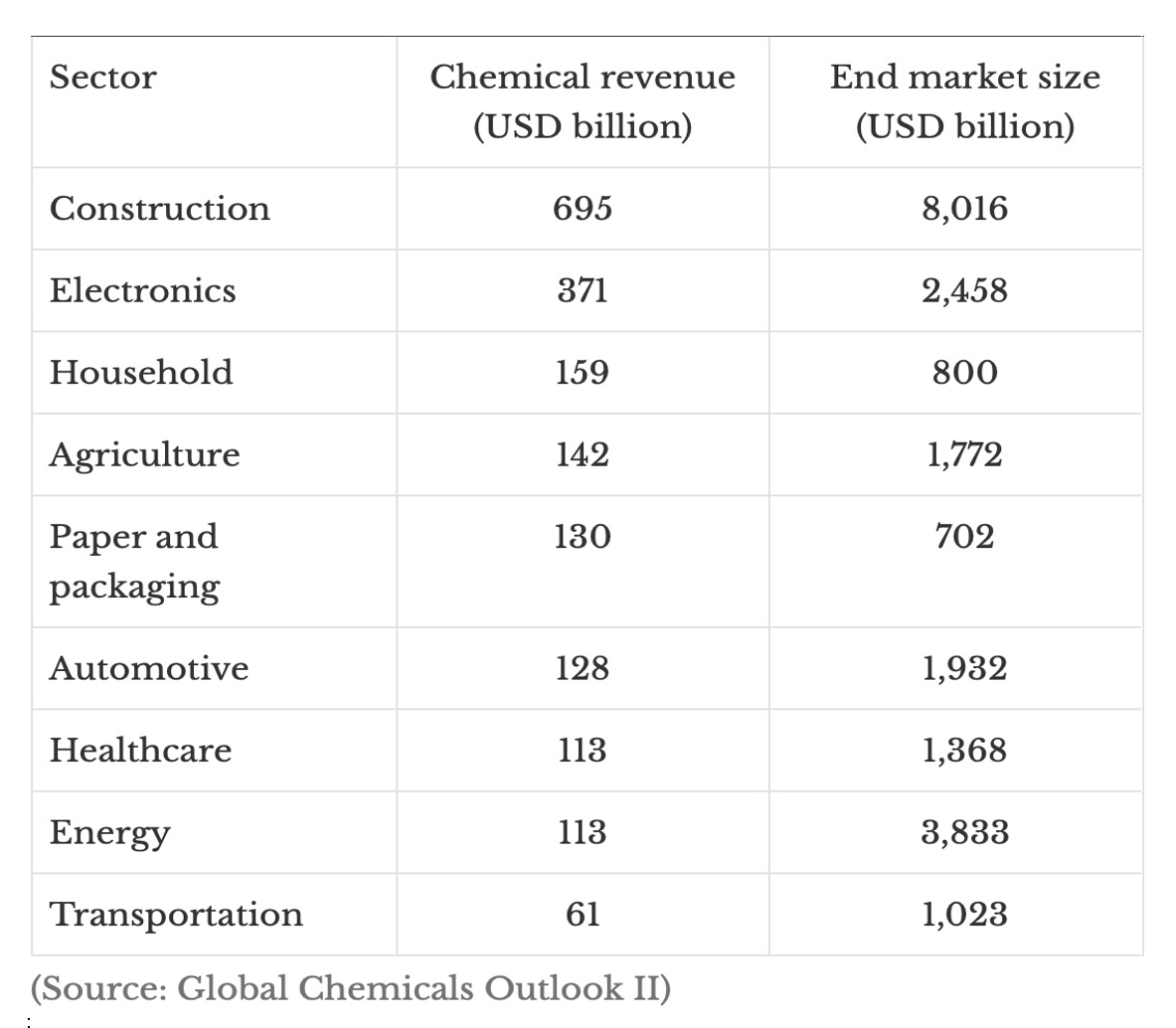
Given the considerable lag between the design and manufacturing and end-of-life stages of building and construction products, by the time risk management action is taken for a CoC, the chemical has already been used in products and sold on markets sometimes for extended periods of time, the report states. Legacy chemicals are, therefore, important to consider when discussing CoC in building products. For example, use of polychlorinated biphenyls (PCBs) in Switzerland was widespread in coatings and joint sealants but was banned in 1972. The report flags that due to the long lifetime of these products in the built environment, PCBs are still routinely found in buildings during refurbishing or demolition operations more than 50 years after they were banned.
At the end of life, the report notes, building and construction products enter the waste stream as construction or demolition waste, which may be considered hazardous at the national or international levels, such as under the Basel Convention. Such waste often represents the largest proportion of total waste generated in a country and is only growing due to the increase in infrastructure development across the globe. In the EU, for example, construction and demolition waste accounts for more than one-third of all waste generated.
Despite this, the report explains, the building and construction sector represents significant opportunities for sustainable development, given the sector’s growth trajectory. It recommends adopting a more holistic approach, which combines addressing legacy chemicals with innovations in chemistry and material science, design practices, and regulation to increase chemical safety, reduce hazards, and increase resource efficiency. Beyond SDG targets directly relevant to chemicals and waste, such as SDG target 12.4 (on achieving the environmentally sound management of chemicals and all wastes throughout their life cycle) and SDG target 3.9 (on reducing the number of deaths and illnesses from hazardous chemicals), all 17 SDGs can be supported through the sound chemicals and waste management.
The report underscores the need for more research and collaboration to address emerging concerns about additional chemicals in the sector. It urges adopting a precautionary approach where evidence is emerging, or where data gaps exist on hazards and potential impacts.
Opportunities and recommendations detailed in the report revolve around the following:
- Increasing information transparency on chemicals and ensuring the flow of information along the entire life cycle of building products. As information on use and concentration levels is still scarce, action on increasing transparency could build on existing initiatives, such as health product declarations developed under voluntary building certification schemes (e.g., Leadership and Energy Environmental Design, or LEED) or databases providing occupational safety information for construction workers, such as the German GISBAU initiative. Furthermore, available information on CoC uses in building products often reflects the context of their application in specific products and industries in developed countries, as well as the identification of potential risk. Thus, the current results and available knowledge might not fully reflect the situation in developing countries and economies in transition.
- Designing new buildings for circularity and using products that support the sector’s transition to circular models and retain the highest possible value at the end of life. Potential chemicals-related impacts of materials along the entire life cycle of buildings should be evaluated, and benign chemicals and recyclable materials should be developed through green and sustainable chemistry innovation. When CoC cannot be avoided, contaminated materials should be separated from uncontaminated materials at the end of life.
- Minimizing the impacts of legacy chemicals and barriers to circularity for existing buildings and developing new technologies for recycling. Barriers in the context of legacy chemicals should be addressed, for example, by managing construction and demolition waste containing CoC, such as POPs, in as sound a manner as possible to minimize their negative impacts. Efforts should also be made to avoid reintroducing CoC into secondary raw materials, and to advance research and development of technologies for the sound recycling of building products that contain CoC.
- Undertaking targeted regulatory action to identify, assess, and address CoC in building products, based on emerging scientific knowledge, to ensure protection of human health and the environment at all stages of the life cycle. This could include advancing knowledge on applications and potential occurrences of identified CoCs, such as POPs, in products relevant to the sector, as well as mandating and incentivizing phaseouts of individual CoC from products. Where substitution of CoC is not technically feasible, regulators must ensure adequate training and protection of, for example, construction workers and the general public. In addition, regulators should evaluate if regulatory requirements for the building and construction sector may have consequences for chemical use or material choices that, in turn, can cause adverse effects on human health or the environment.
IOMC proposal for the Beyond 2020 framework
In an effort to operationalize some of these recommendations going forward, the IOMC has proposed three Implementation Programmes for the Beyond 2020 framework that adopt a sectoral and value chain approach to chemicals and waste management more broadly to improve circularity. The proposal calls for:
- developing integrated national chemical management systems and capacities in all countries and regions;
- integrating sound chemicals and waste management in chemical-intensive economic sectors and value chains (which the building and construction sector falls under); and
- integrating sound chemicals and waste management within sustainable development objectives and decision-making processes.
The Programmes would aim to strengthen implementation of the Beyond 2020 framework through inclusive stakeholder and sectoral engagement and action, knowledge sharing, multi-stakeholder collaboration, and mobilization of additional resources. The Implementation Programmes would directly link to, and support implementation of, the proposed strategic objective and targets of the framework. They are also consistent with the three dimensions of integrated chemicals and waste management presented by the IOMC at the fourth meeting of the intersessional process considering the Strategic Approach and sound management of chemicals and waste beyond 2020 (IP4) in the fall of 2022.
To advance and inform about its ideas and proposal, the IOMC organized two workshops on advancing global chemicals and waste management in chemical-intensive economic sectors and value chains and industries. In January 2023, building and construction was discussed as a candidate sector for implementation. In June, discussions addressed guidance to support strategies and a possible global programme on advancing chemicals and waste management in economic industry sectors and their value chains.
Going Beyond 2020
We now know that business-as-usual in the building and construction sector is not an option. Whether it is managing legacy chemicals or integrating into products, from the beginning, materials that are better for the environment and human health, transitioning towards safety, sustainability, and circularity along the entire life cycle of the sector is crucial. Advancing and implementing recommendations outlined in this Policy Brief could help ensure the sector provides a meaningful contribution to the sound management of chemicals and waste in the Beyond 2020 framework, and to sustainable development more broadly.
* * *
This document has been developed within the framework of the Global Environment Facility (GEF) project ID: 9771 on Global Best Practices on Emerging Chemical Policy Issues of Concern under the Strategic Approach to International Chemicals Management (SAICM). This project is funded by the GEF, implemented by UNEP, and executed by the SAICM Secretariat. The International Institute for Sustainable Development acknowledges the financial contribution of the GEF to the development of this policy brief.
This Policy Brief is the eighth in a series featuring cross-cutting topics relating to the sound management of chemicals and waste. It was written by Leila Mead, Earth Negotiations Bulletin (ENB) team leader, editor, and writer. The series editor is Elena Kosolapova, Senior Policy Advisor, Tracking Progress Program, IISD.
RELATED EVENTS

Incompatible trends - Hazardous Chemical Usage in Building Products Poses Challenges for Functional Circular Construction
Abstract: Based on a review of 2012 and 2016 data in the Nordic chemical database, SPIN, this paper is an assessment of the usage of REACH’s Substances of Very High Concern (SVHC) and Denmark’s List over Undesirable Substances (LOUS) chemicals in the building industry in Denmark. The paper is a status update of the 2016 Danish Environmental Agency’s report of the usage of hazardous substances in sustainable buildings, based on 2012 data from SPIN. The analysis focuses on change in tonnage of usage of chemicals found in twelve different construction product categories in SPIN, crosschecked with substances from the SVHC and the LOUS lists. The usage of some hazardous substances in certain usage categories has reduced from 2012 to 2016.
There is an overall trend indicating an increase of undesirable chemical in construction articles and preparations, which poses serious challenges for a functioning circular built environment. Findings indicate which construction categories and which chemicals are of particular concern for the current construction market in Denmark. The results underscore the essential need for transparency in building product content, in order for design professionals and contractors to make decisions that support the future use of the material or building element.
Building Clean: Chemicals in Building Products
This site is a useful introduction to chemicals in building products. It lists the most commonly found hazardous chemicals in certain building products and the associated health risks.
Case study: Bedford Green House
Bedford Green House is a 118-unit, 13-storey affordable housing development in New York City, with sustainable design and resident health at its heart. The development used HomeFree to inform the selection of building materials, considering human health impacts. This included using solid core doors with a NAUF (No Added Urea Formaldehyde) core and hardwood plywood cabinets which use less binder (and therefore less formaldehyde) than particleboard and MDF.

Textiles Under a New Global Chemicals and Waste Framework
When negotiators convene at the fifth International Conference on Chemicals Management (ICCM5) in Bonn, Germany, in September 2023 to decide on a new global framework for the sustainable management of chemicals and waste, they will consider draft targets, and one of the proposals for implementation of the new framework seeks to encourage select “chemical intensive economic sectors and value chains” to scale-up global action that produces concrete results. One specific draft target calls for the development of sustainable chemical and waste management strategies in chemical intensive sectors and industries across value chains. The negotiations seek to develop a new global framework to replace the Strategic Approach to International Chemicals Management (SAICM) created by ICCM1 in 2006.
At a January 2023 workshop convened in Paris, France, by the proponent of the implementation proposal, the Inter-Organization Programme for the Sound Management of Chemicals (IOMC), textiles was discussed as a candidate sector for implementation. The IOMC plans a further stakeholder consultation from 20-21 June 2023 to flesh out ideas for guidance to support strategies and a possible global programme on advancing chemicals and waste management in economic industry sectors and their value chains.
At a negotiating session held in Bucharest, Romania, in August 2022, the textiles sector was an active participant in the talks: the Zero Discharge of Hazardous Chemicals (ZDHC) – a multi-stakeholder organization comprising over 150 contributors, including leading brands such as Adidas, Nike, and Levi Straus – made statements about the sector’s desire to actively engage in the future framework, and offered proposals for framework elements such as sectoral targets and indicators.
The UN Environment Programme (UNEP) has identified textiles – which encompasses not only apparel and footwear, but also some home furnishings (e.g., carpets, curtains, and upholstery) and “technical textiles” (e.g., medical textiles, geotextiles, seat covers, and protective clothing) – as a high-priority industry sector in shifting to a circular economy. Its importance to economies, natural resource management, gender equality, and sustainable development has been reflected in UNEP’s Medium-Term Strategy, resulting in the development of UNEP’s Textile Flagship Initiative. The Initiative aims to align UNEP’s work across three priorities needed to deliver system change towards sustainability and circularity – shifting consumption patterns, improving practices, and investing in infrastructure. These priorities are reflected in UNEP’s forthcoming report titled, ‘Sustainability and Circularity in the Textile Value Chain: A Global Roadmap.’ One of the impact areas of the project aims to reduce pollution in the environment and its impacts on human health by managing chemicals of concern across the textiles value chain.
This Policy Brief discusses SAICM’s longstanding interest in the textiles sector, the IOMC’s proposal, and how an implementation programme under the successor framework might engage with the industry.
SAICM and its interest in the textiles sector
SAICM grew out of a goal endorsed by the 2002 World Summit on Sustainable Development (WSSD) for the world to use and produce chemicals by 2020 in ways that minimize significant adverse effects on human health and the environment. The WSSD also called for developing “a strategic approach to international chemicals management” by 2005. This led to SAICM’s launch at ICCM1 in 2006 as a flexible, voluntary, non-binding, multi-stakeholder, and multi-sectoral initiative dedicated to promoting collaboration aimed at achieving the 2020 goal.
As originally conceived, SAICM was due to expire when ICCM5 convened in 2020. However, by the time ICCM4 convened in September 2015, it became clear that the 2020 goal would not be achieved in most countries. ICCM4 decided to launch an intersessional process aimed at designing a post-2020 framework or platform for the sound management of both chemicals and waste for consideration by ICCM5 in 2020. Due to delays in negotiations caused by the COVID-19 pandemic, ICCM5 was postponed until September 2023.
SAICM’s interest in the textiles sector as a significant user of chemicals came early, primarily through its Chemicals in Products (CiP) initiative. CiP was designated as an Emerging Policy Issue in 2009, and a CiP Programme was created by ICCM3 in 2012, led by UNEP, with a focus on four priority sectors, one of which was textiles. In the run up to ICCM3, UNEP produced a CiP case study on chemicals in textiles.
SAICM has also produced relevant knowledge products, such as the report and a policy brief on addressing per- and polyfluoroalkyl substances (PFAS) as a chemical class in the textile industry. The report and brief suggest how SAICM might advance the concept of approaching PFAS as a class of chemicals for control purposes, rather than chemical-by-chemical as the Stockholm Convention on Persistent Organic Pollutants (POPs) does, and phase out non-essential uses, the textile sector serving as a test case.
IOMC’s proposal for sectoral implementation programmes under a new global framework
The IOMC is an international coordinating group bringing together nine Participating Organizations to promote sound chemical management worldwide through coordination of policies and activities. Participating Organizations include UNEP, the Food and Agriculture Organization of the UN (FAO), the International Labour Organization (ILO), the UN Development Programme (UNDP), the UN Industrial Development Organization (UNIDO), the UN Institute for Training and Research (UNITAR), the World Health Organization (WHO), the World Bank, and the Organisation for Economic Co-operation and Development (OECD).
In a discussion paper presenting its proposals for an implementation programme under the new global framework, the IOMC suggests encouraging further action “based on industry initiatives that have been initiated voluntarily, resulted from regulatory requirements, or responded to pressure from public interest groups.” It also suggests choosing industry sectors and product value chains whose retailers have already undertaken “frontrunner” initiatives demonstrating commitment and willingness to engage, with a view to strengthening, linking, and expanding such initiatives.
The textiles industry qualifies on all counts. Major brands and retailers form the backbone of ZDHC. They have already developed several chemical restriction lists, management guidance, and standards, and backed certification and labeling schemes. Major brands, retailers, trade associations, and others in the sector have also engaged in the Ellen MacArthur Foundation’s Make Textiles Circular initiative, the Fashion Pact, the Policy Hub, and the Fashion Industry Charter for Climate Action.
In addition, the Global Environment Facility (GEF) can be recruited for realizing this implementation programme, as it is already committed to such work under GEF-8 programming directions. The GEF’s new Elimination of Hazardous Chemicals from Supply Chains Integrated Program commits the Facility to work on the textiles supply chain. A recently launched UNEP-implemented GEF project will work with four Asian nations – Bangladesh, Indonesia, Pakistan, and Viet Nam – representing 15% of global clothing exports to address chemicals of concern in their textiles industries.
The IOMC paper suggests engaging a candidate economic industry to develop, through dialogue, a sector vision and roadmap concerning important sustainability parameters, such as minimizing the use of hazardous substances, or advancing circularity objectives, which cover at least four areas:
- advancing the science on chemicals of concern;
- advancing green and sustainable chemistry technology innovation;
- strengthening regulations and policies; and
- mobilizing finance.
The textile sector already has a head start on this front, since it has been engaged with UNEP in dialogue to develop the aforementioned global roadmap for sustainability and circularity for the sector.
The paper further suggests that each sector and industry initiative outline specific measures or steps to take, such as:
- developing a list of hazardous substances causing concern in raw materials and supplies and production processes, such as a manufacturing restricted substances list (MRSL);
- developing standards that specify acceptable levels of chemical residues in finished products, either through a restricted substances list (RSL) or maximum residue levels;
- developing and implementing risk reduction measures to minimize occupational and public exposure, as well as emissions to air, land, and water, when hazardous substances cannot be phased out;
- identifying and implementing sustainable practices and alternatives, including through green and sustainable chemistry innovation, such as changes in processes, recipes, or product design, based on robust criteria and guidance on what constitutes safer alternatives; and
- developing sector-specific indicators to measure progress.
Here, too, the textile sector has a head start on these tasks. Oeko-Tex, the American Apparel & Footwear Association (AAFA), Apparel & Footwear International RSL Management Working Group (AFIRM), and Bluesign have developed RSLs, and most major brands have developed their own RSLs aligned with one or several of these four. Oeko-Tex and ZDHC have developed MRSLs, and individual companies, if they have an MRSL, tend to align theirs with ZDHC’s. There are also several relevant certification and labeling schemes (see Figure 1), and textile-sector goals and targets have been developed to provide indicators for measuring progress (see Figure 2).
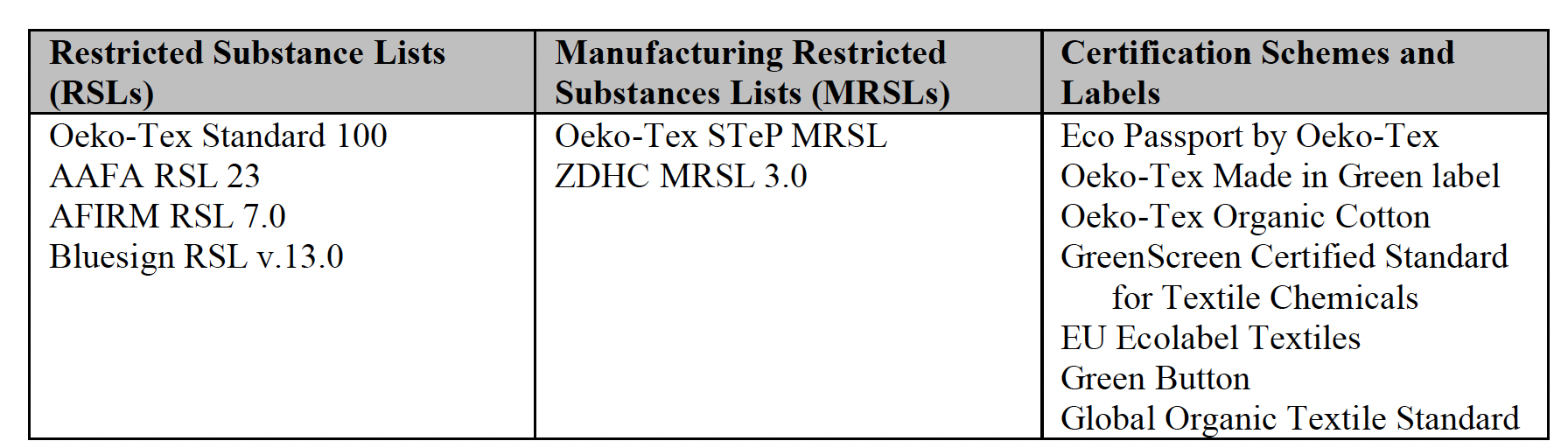
Figure 1: Relevant restricted lists, certification schemes and labels regarding chemicals in textiles
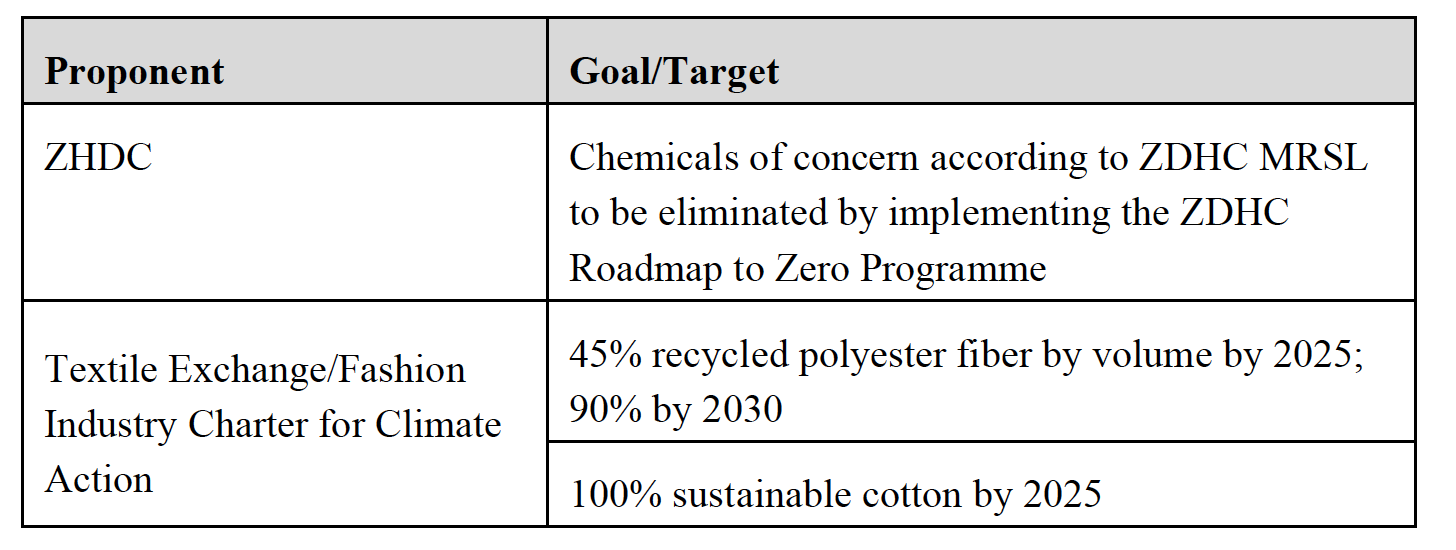
Figure 2: Existing goals/targets regarding chemicals/circularity in textiles
Focusing on chemicals of concern in textile production under a future framework implementation programme
The textile sector may have a head start, but much work on chemicals management in the sector remains that could be taken up by an implementation programme under the new global chemicals and waste framework.
For example, while ZDHC’s MRSL is well regarded, its adherents currently account for only a limited percentage of the industry and the list notably is not taken up by the many small and medium-sized enterprises (SMEs) that comprise much of the textile value chain.
As for RSLs, while many companies have adopted their own, these vary, as do the competing attempts at developing harmonized RSLs (Okeo-Tex, AFIRM, AAFA). Furthermore, existing RSLs tend to reflect only the chemical restrictions currently in place by major regulators – primarily the European Union (EU) – and the principal international convention restricting hazardous substances, the Stockholm Convention on POPs. In addition, these restrictions cover only dozens of the thousands of chemicals used in textile production, usually do not address all categories of concern (prioritizing carcinogens, mutagens, and teratogens, but not always toxins to aquatic life, endocrine disruptors, allergens, or irritants), and involve substances selected on a slow substance-by-substance basis that requires years to arrive at final regulatory decisions.
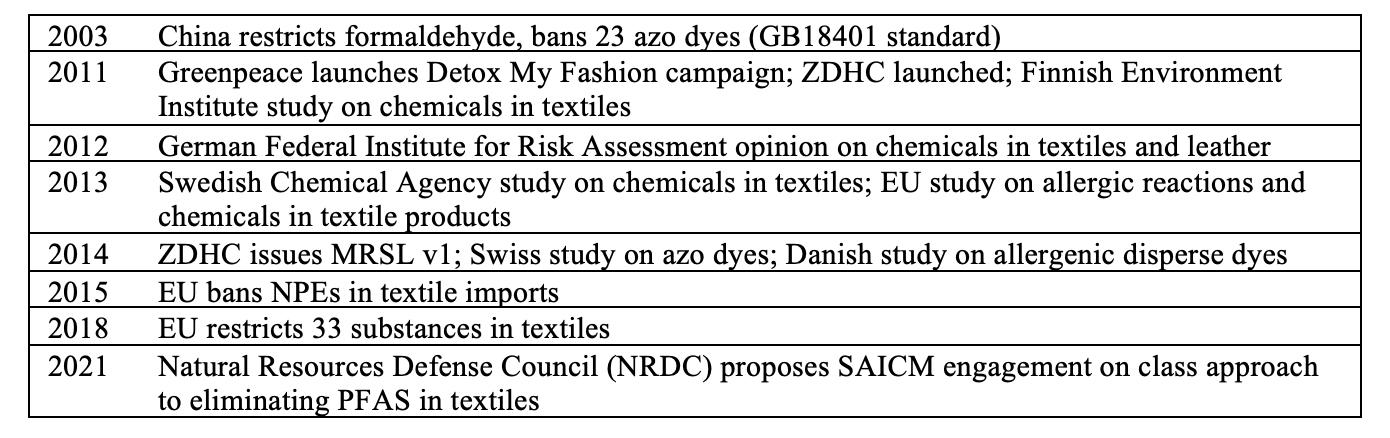
Figure 3: A timeline of existing initiatives on chemicals of concern in textiles
What would it take to address all potential chemicals of concern in the textile value chain?
Among the fibers used in textile production globally in 2021, cotton has the largest share among natural fibers (22% of all fibers), and polyester the largest among synthetic fibers (54% of all fibers). Other inputs include man-made cellulosic fibers, nylon, acrylic, leather, wool, polyurethane, bamboo, and silk.
In the case of natural fibers, chemical use starts during farming. Cotton is a significant consumer of chemical pesticides and fertilizers. In 2019, cotton accounted for 4.71%, by value, of all the chemical pesticides sold globally, and 10.24%, by value of all insecticides used in global crop protection. In 2018, cotton accounted for around 4% of global nitrogen and phosphorus fertilizer consumption. A push for greater global adherence to an organic cotton or organic textile standard, while recognizing the need for in-conversion/ transitional periods and support for farmers to move towards organic practices, could significantly cut consumption of chemicals at this stage in the value chain.
Whether made from natural or synthetic fibers or some combination thereof, all textiles undergo significant chemical treatment at many production and processing stages before their sale to the final consumer.
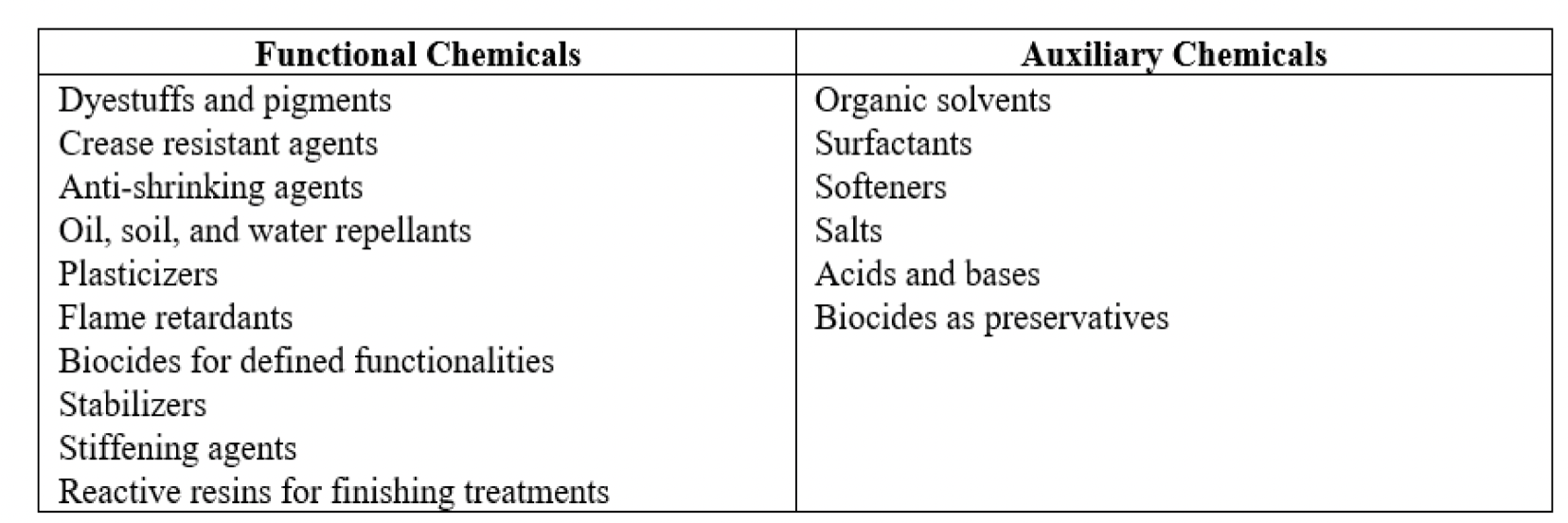
Figure 4: Types of Chemicals Used in the Textiles Industry Source: Adapted from NRDC, A Review of PAS as a Chemical Class in the Textile Sector (2021)
Currently, obtaining complete, accurate, and up-to-date information on the number, volumes, and identities of the chemicals used in textile production is difficult. Two oft-cited estimates are that over 8,000 chemicals are used in textile production and that for every one kilogram (kg) of cotton textiles made, 0.35-1.5 kg of chemicals are used. However, the origins of both estimates are hard to pin down. These figures are also from over ten years ago and may not reflect current market realities.
A comprehensive survey, inventory, or database of chemicals used in textile production would be difficult to complete due to the complexity and global nature of the textiles value chain, involving stages and actors across many countries and jurisdictions with varying ranges of capacity, regulation, industry standards, and diligence. Inter-party communication about, and tracking of, chemicals used among the points in the chain is often minimal. A concerted effort by IOMC Participating Organizations, governments, industry (including SMEs), and non-governmental organizations (NGOs) from across the globe under the umbrella of an implementation programme such as the one the IOMC proposes might be able to accomplish this task.
Without better accounting of the universe of chemicals used in textiles production, it is difficult to identify, triage, assess, and regulate chemicals of concern, deciding which need to be banned, which need to be subjected to occupational exposure and/or emission limits (wet processing of textiles, for example, is a major source of wastewater discharges), and the presence of which chemicals in textile products (and at what levels) should be mandatory to disclose to consumers. Some have already been identified (see Figure 4), but the current extent of their use worldwide remains unclear – another data gap an implementation programme might address.
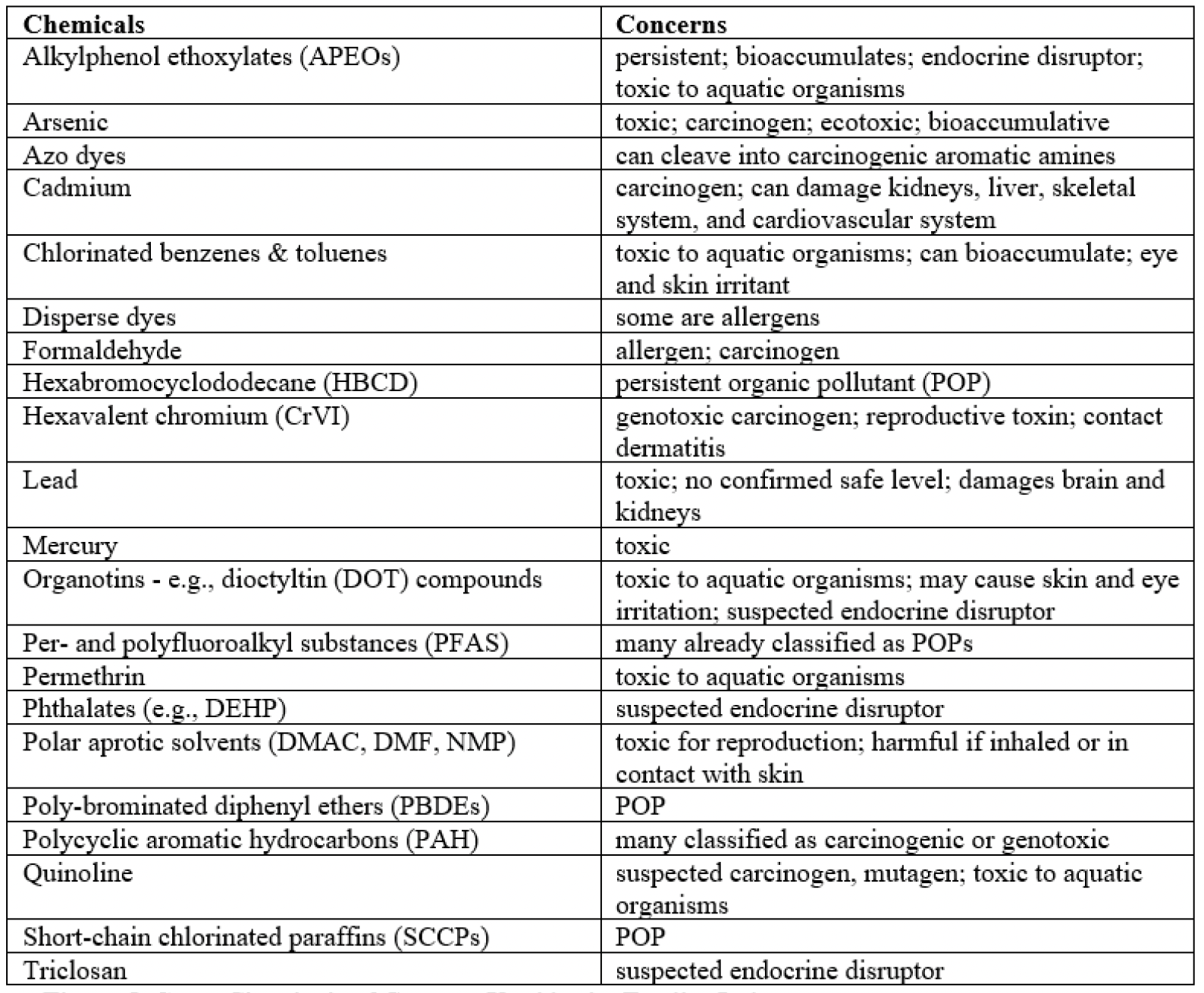
Figure 5: Some Chemicals of Concern Used in the Textiles Industry Source: Compiled by the author from various sources
The stakeholder consultation process involved in an implementation programme could address how to prioritize and allocate reviews of possible chemicals of concern, possibly through the chemical class or family approach instead of substance-by-substance, such as the Natural Resources Defense Council (NRDC) has suggested for PFAS. Identified chemicals of concern could be added to a globally harmonized MRSL. The value chain could then use the MRSL to prioritize chemicals for restrictions or phaseout and for targeting for substitution without waiting for regulatory agencies to act. A commonly agreed certification and/or labeling scheme could identify which brands and products align with the harmonized MRSL. In those cases where emissions or occupational exposure are involved, maximum permissible levels could be identified in accordance with best practice and shared as guidance across the value chain, as ZDHC is seeking to do with its wastewater guidelines.
Another chemicals in textiles issue an implementation programme might address is trade. Several recent studies have shown that even when a jurisdiction outlaws chemicals of concern in textiles, imported apparel found for retail sale in that jurisdiction still contains values violating the restrictions. The new programme can identify trade issues for follow-up in appropriate fora such as the World Trade Organization (WTO) and could also identify and/or provide support required to downstream chemical users, including SMEs.
A possible waste management component for a textiles sector implementation programme?
While SAICM has tended to focus more on chemicals management than waste issues, negotiators of the successor framework conceive of it addressing the latter as well. The IOMC’s proposal for an implementation programme reflects this expected broader mandate, although it elaborates on chemicals management but not on waste management.
The textiles sector is very wasteful and almost entirely linear, so there could be much to discuss under an implementation programme of the type conceived by the IOMC. While textile production volumes doubled from 2000-2015, the clothing utilization rate, that is the number of times a garment is worn before it ceases to be used, decreased by an average of 36%. Reportedly, more than half of “fast fashion” is disposed of within a year. Of the total fiber input used to produce clothing, 87% ends up being landfilled or incinerated – the equivalent of one garbage truck full of clothes disposed every second. Less than 1% of material used to produce clothing is recycled into new clothing, a recycling rate ranking below that of most single-use plastic packaging.
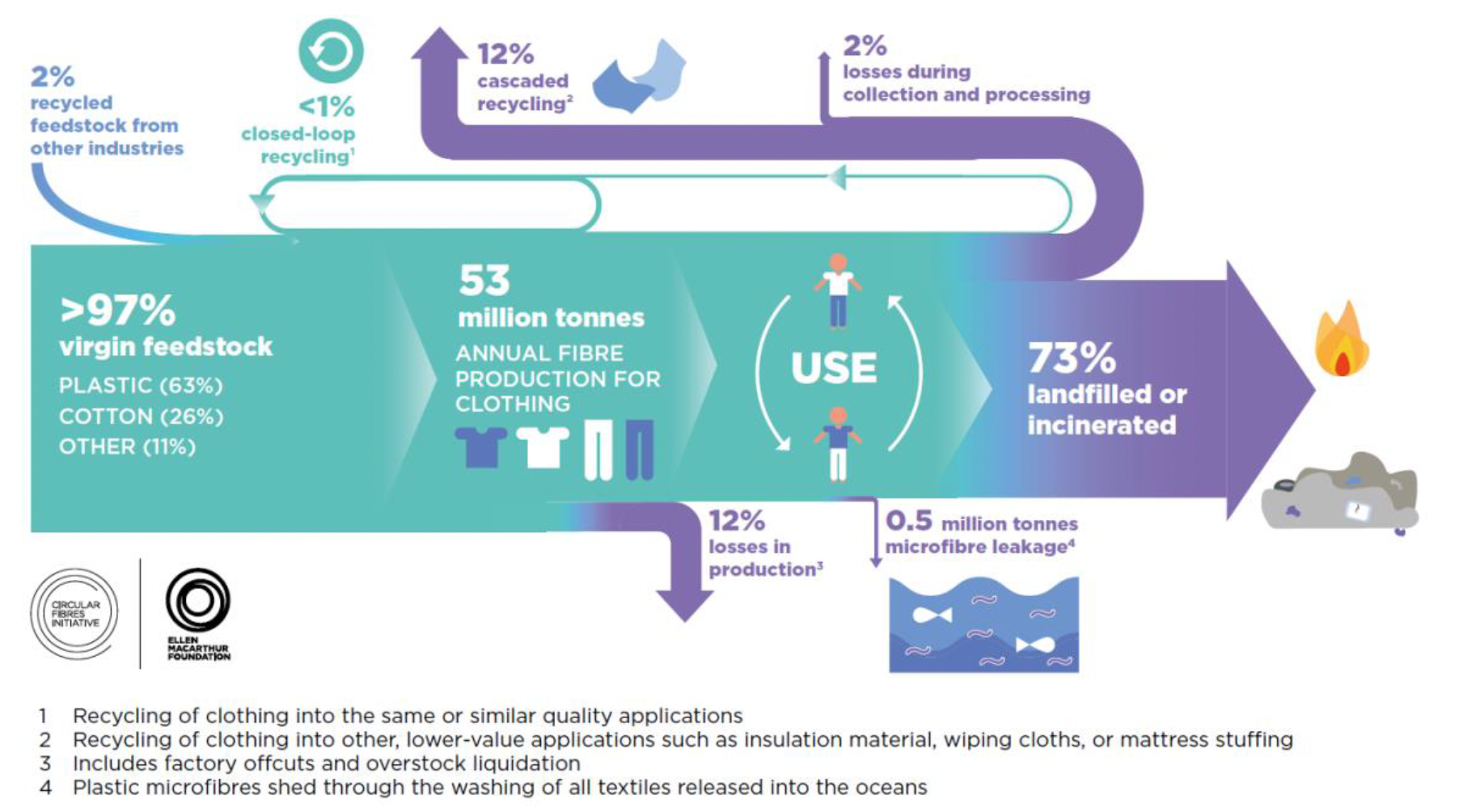
Figure 6: Global material flows for clothing in 2015
Source: Ellen MacArthur Foundation, A new textiles economy: Redesigning fashion’s future (2017)
Circularity goes well beyond waste management and recycling fibers. As outlined by UNEP (Figure 6), “reduce by design” aims to reduce the amount of material, particularly raw material, and hazardous chemicals consumed during production and during use, from the very beginning of product and service conceptualization. Production and consumption patterns as well as end-of-life processes of textile products are optimized via innovative product designs and business models, resulting in not only eliminated harmful impacts and waste but also improved social protections and business resilience. However, there is a need to reduce the harm of the linear textile system we have today, while preparing for the needs and wants of the circular textile system of tomorrow, and this includes better waste management.
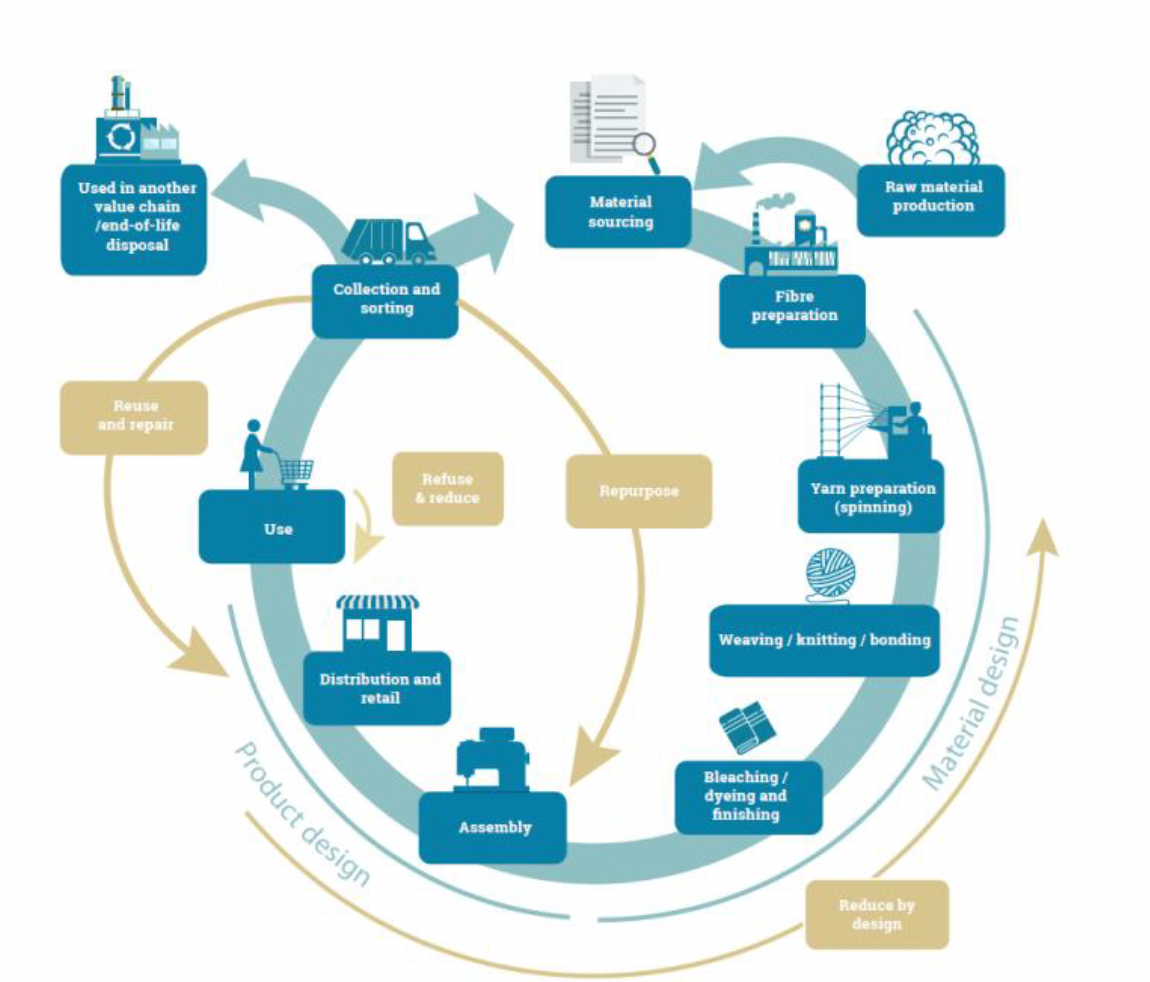
Figure 7. A circular textile value chain
Source: UNEP, Sustainability and Circularity in the Textile Value Chain: Global Stocktaking (2021)
Strategies for a circular economy specific to the textiles value chain have been proposed by UNEP, the Ellen MacArthur Foundation, the EU, Germany, and the Netherlands. The UN Alliance for Sustainable Fashion has engaged the fashion industry in discussions on steps to create a circular economy in textiles, as has UNEP. The Global Fashion Agenda (GFA) has created a Global Circular Fashion Forum and worked with UNEP to identify and converge existing industry targets, including on smart material choices, resource stewardship (including a specific target on chemicals of concern management/phaseout), and circular systems. The GEF has already approved two projects on circular economy and textiles covering four African countries, one implemented by UNEP, the other by UNIDO.
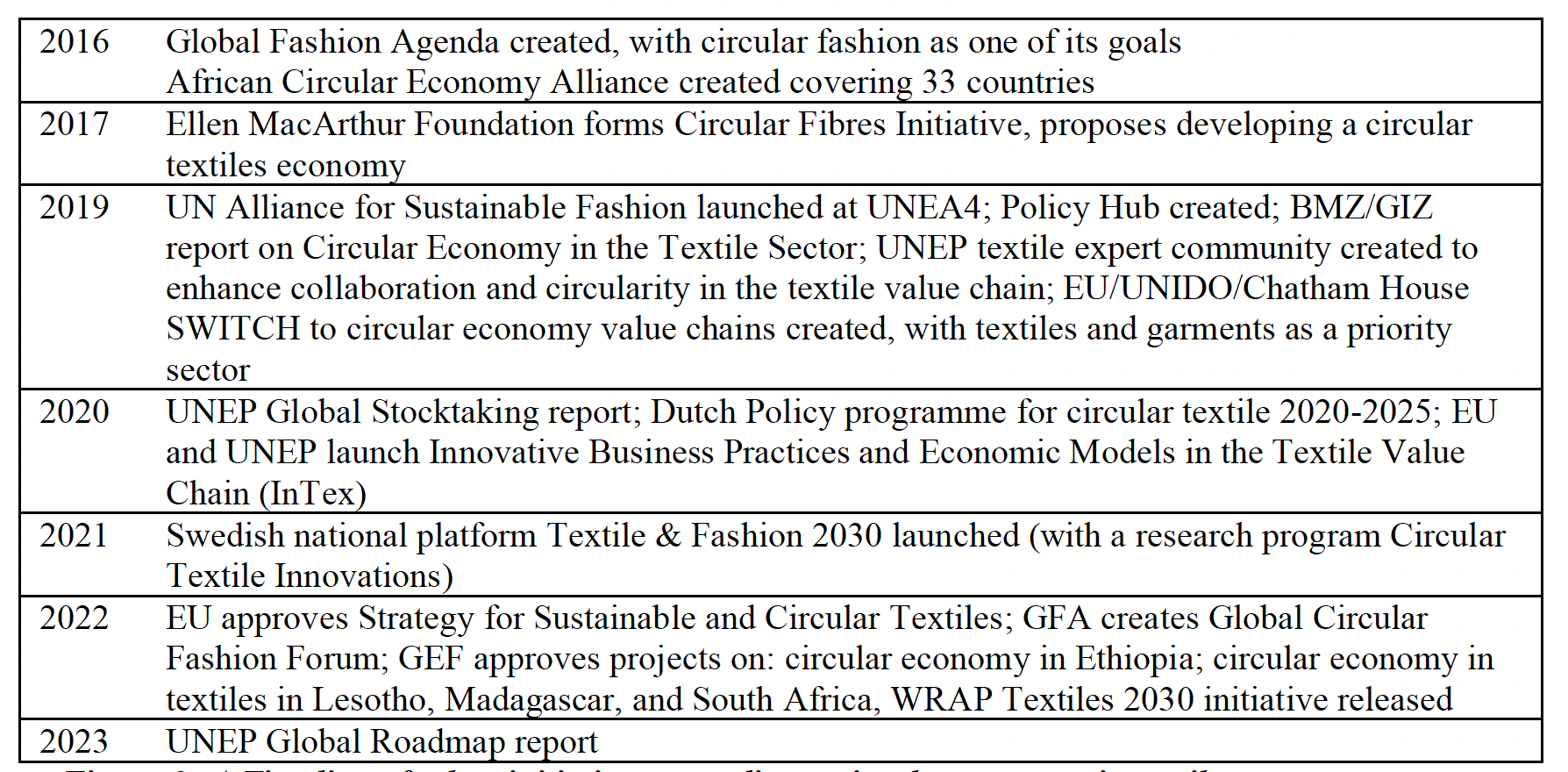
Figure 8: A Timeline of select initiatives regarding a circular economy in textiles
Hence, the building blocks are there to work with in any waste management component of the proposed implementation programme and also look at circularity more widely (with a focus on chemicals), but a rationale for the value added that the SAICM successor can bring needs to be elaborated and the issues for the waste component to focus on remain to be fleshed out.
The new global chemicals and waste framework might contribute to the existing work on circularity in the textiles sector by:
- linking together the disparate country- and regional-focused initiatives, and giving them true global scope, while elevating the challenges and support required into strategic high-level discussions;
- broadening the circular textiles discussions to involve interested IOMC Participating Organizations that are not part of the UN system, such as the OECD and the World Bank, and tabling the central role of chemicals management for circularity in the discussions;
- engaging the GEF in helping to develop the initiative, since IOMC Participating Organizations UNEP, UNIDO, UNDP, and the World Bank are GEF Implementing Agencies, and GEF-8 envisions work in this vein;
- broadening the circular textiles discussions to include more parts of the textiles value chain than just apparel; and
- broadening the discussions beyond the limited group of major brands and retailers already involved in existing circular textile initiatives, particularly by engaging the many SMEs in the chain.
The Road to Bonn: Paving the way for textiles to take the spotlight in implementation of the new chemicals and waste framework
The IOMC plans a stakeholder consultation from 20-21 June 2023 to further flesh out ideas for a possible global programme on advancing chemicals and waste management in economic sectors and value chains. The IOMC, working with Participating Organizations, the SAICM Secretariat, and perhaps engaging the GEF Secretariat as well, should use the stakeholder consultation as a springboard for active dialogue with stakeholders in the months leading up to ICCM5 in September on which chemical-intensive sectors to focus on. The textiles sector is a good candidate to become one of the first focus sectors. With a view to presenting a robust proposal for consideration at ICCM5 in Bonn, the dialogue should outline and flesh out what an implementation programme for the textiles sector might look like, which chemicals and waste management issues the implementation programme could provide value added on and should address, and possible objectives, targets, and indicators for the programme. The dialogue might also highlight global work undertaken in the textile industry which could be relevant for other chemical-intensive sectors facing challenges.
* * *
This document has been developed within the framework of the Global Environment Facility (GEF) project ID: 9771 on Global Best Practices on Emerging Chemical Policy Issues of Concern under the Strategic Approach to International Chemicals Management (SAICM). This project is funded by the GEF, implemented by UNEP, and executed by the SAICM Secretariat. The International Institute for Sustainable Development acknowledges the financial contribution of the GEF to the development of this policy brief.
This Policy Brief is the sixth in a series featuring cross-cutting topics relating to the sound management of chemicals and waste. It was written by Keith Ripley, Earth Negotiations Bulletin (ENB) team leader and writer. The series editor is Elena Kosolapova, Senior Policy Advisor, Tracking Progress Program, IISD.
RELATED EVENTS
