33 resources found

Manuals and toolkits

Sustainable Procurement of Building Materials:A Progressive Approach to Chemicals of Concern

This guidance is primarily aimed at public procurers involved in a range of contracting agreements related to building materials and products. This includes the purchase of building materials for construction works, but may also extend to material extraction, manufacturing, building, retrofit, refurbishment, design, interior fit out, and end-of-life demolition or deconstruction processes. There are a variety of roles within the procurement cycle that the guidance can support, from commissioning, category management, tender preparation and evaluation, to contract management.

cover
Factsheets and brochures

Addressing Chemicals of Concern: Key messages and lessons learned

by |
February 2024
copied to clipboard

This document summarises lessons learned from the various project activities in three sectors: electrical and electronic equipment (EEE); building and construction; and toys. It also formulates key messages addressed to different stakeholder groups and provides links to guidance and tools developed under the GEF project

Video

Why chemicals matter

February 2024
copied to clipboard

The video covers the crucial issues surrounding chemical policies in today's world, the unseen effects of chemicals in everyday life and the global push for policies that foster sustainable practices. The video highlights the challenges and innovative solutions that aim to to protect our environment and health, setting the stage for a greener, safer and sustainable future.

Manuals and toolkits

Guía para la consideración de sustancias químicas de preocupación en el proceso de compras públicas sostenibles de Aparatos eléctricos y electrónicos

November 2023
copied to clipboard

Este documento aborda la gestión de sustancias químicas de preocupación y algunos

aspectos de sostenibilidad, incluyendo la circularidad en la compra pública sostenible

(CPS) de los AEE, específicamente de computadores, impresoras y acondicionadores de

aire, proporcionando además una orientación clara a las entidades públicas sobre cómo

incluir criterios técnicos para la adquisición de dichos equipos.

DG Environment
Report

The use of PFAS and fluorine-free alternatives in textiles, upholstry, carpets, leather and apparel

This study, commissioned by DG Environment for the European Commission and produced by Wood and Ramboll.  The objective was to assess the use of PFASs and fluorine-free alternatives in textiles, upholstry, carpets, leather and apparel, including specific focus on volumes of use, technical function, and emissions.

Non-fluorine alternatives considered were hydrocarbons, silicones, dendrimers, polyurethane, nanomaterials, and alternative technologies.  The study makes recommendations for policy, including a REACH restriction on the placing on the market and use of these products that contain any PFAS, and a listing under the Stockholm Convention.  It is also recommended in the report that a restriction could be combined with voluntary industry measures and provisions in public procurement to encourage substitution of PFAS before mandatory legislation is introduced.

Case Study 3
Case studies

Piloting the Extended Producer Responsibility scheme in Nigeria

by
UNEP ,
|
May 2023
copied to clipboard

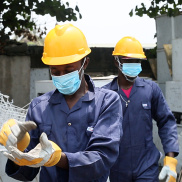
This case study highlights three main achievements resulting from the EPR pilot that tested potential collection channels, determined local e-waste treatment costs, and promoted environmentally sound e-waste management and gender equality in Nigeria's electronics sector.

  1. Setting an EPR financial mechanism by understanding local collection and recycling costs and estimating the EPR fee based on local costs.
  2. Reducing the health and environmental risks associated with e-waste management practices by ensuring hazardous materials like mercury and Persistent Organic Pollutants in e-waste are recycled in an environmentally sound manner.
  3. Improving the health, security, and safety of waste management workers, including women who face various risks in the sector.

The study concludes with a summary of the next steps and key learnings that emphasize the importance of environ-mentally and socially responsible e-waste management with a focus on gender equality in the sector.

Circular_Economy_Electronics_LAC
Report

Toward a Circular Economy for the Electronics Sector in Latin America and the Caribbean (LAC): Overview, Actions and Recommendations

This report provides an overview of the current status and conditions of the Circular Economy in the electronics value chain in the Latin America and the Caribbean (LAC) region, identifies key areas of concern, provides appropriate recommendations, and proposes priority actions to improve circularity of the sector. The recommendations and roadmap focus on the individual life cycle stages of the electronics value chain, as well as on aspects that cut across the value chain. The transition towards a more circular electronics sector in Latin America and the Caribbean (LAC) would require a holistic and coordinated approach to progress toward a more circular electronics value chain in the CEE region.

This publication was prepared under the framework of the Global Environment Facility (GEF) full-sized project 9771: Global best practices on emerging chemical policy issues of concern under the Strategic Approach to International Chemicals Management (SAICM). This project is funded by the GEF, implemented by UNEP and executed by the SAICM Secretariat.

Case Study 1
Case studies

Gaining legal ground in the Extended Producer Responsibility scheme for electronics in Nigeria

by
UNEP ,
|
March 2023
copied to clipboard

Strengthening legal efforts in Nigeria is crucial for successful implementation of Extended Producer Responsibility (EPR) systems. By having the National Environmental Standards and Regulations Enforcement Agency of Nigeria (NESREA) having the enforcing EPR laws create a more sustainable and accountable e-waste sector.

Developing and updating EPR legistlations helps clarify the different responsibilities and enforce producers to comply with their obligations and responsibility. However, effective EPR implementation will require further law enforcement measures.
The case study outlines two achievements of the "Circular Economy Approaches for The Electronics Sector In Nigeria" project towards establishing a stronger legal system in Nigeria:

  • The development and gazette of the EPR Guidance document in 2020: the guidance defines the roles and responsibilities of the key public and private stakeholders, the product categories to be covered by the EPR scheme, and the collection and recycling targets.
  • The amendment of the National Environmental (Electrical and Electronic Sector) Regulations in 2022: which legally requires EPR subscriptions and prohibits suboptimal treatment of e-waste.

The study concludes with a summary of key lessons and next steps, emphasizing the importance of enforcing EPR laws, engaging stakeholders, raising public awareness, and collaborating with regional and international partners.

Avatar