79 resources found

Community of practice summary of discussions

Is there lead in my paint? All about testing and labs

December 2021
copied to clipboard

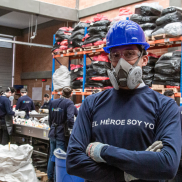
The Secretariat of the Strategic Approach to Chemicals Management (SAICM) and the University of Cape Town (UCT) have established a Community of Practice (CoP) on Lead in Paint to bring representatives from different sectors together and to create a learning network around issues related to the elimination of Lead Paint. This is a summary of the discussion on Is there lead in my paint? All about testing and labs, which took place on 8 December 2021.Presenters: Mihaela Claudia Paun (UNEP)

Emerging Policy Issues: Lead in paint
Manuals and toolkits

Chemicals of Concern in the Building and Construction Sector - Summary

by |
September 2021
copied to clipboard

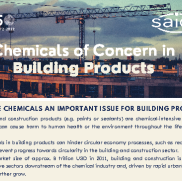
This is the summary of the UNEP report on Chemicals of Concern in the Building and Construction Sector.The report aims at providing an overview of the challenge that chemicals of concern pose in the context of products relevant for the building and construction sector. It outlines the relevance and linkages of chemicals of concern with regards to a building life cycle and highlights existing gaps, challenges and opportunities regarding the imperative of increasing circularity in the building and construction sector.The

Emerging Policy Issues: Chemicals in products
Case studies

Future Policy Award 2021: Colombia - Environmentally Persistent Pharmaceutical Pollutants

Despite the fact that pharmaceuticals are indispensable for human and animal health, they may cause undesired adverse effects. Specifically, environmentally persistent pharmaceutical pollutants (EPPPs) are slowly degradable or nondegradable, presenting a special risk when they enter, persist or disseminate in the environment. Colombia’s Resolution 371, addressing EPPPs, was awarded for regulating waste management from hazardous products.The World Future Council focuses on identifying, developing, highlighting and spreading effective, future-just solutions for current challenges humanity is facing and promote their implementation worldwide

Report

Report of the 2020 International Lead poisoning Prevention Week

The eighth International Lead Poisoning Prevention Week (ILPPW) was held on 25–31 October 2020, with more than 90 events in 60 countries organized by governments, civil society organizations, health partners, industry and other institutions.ILPPW is an ongoing initiative of the Global Alliance to Eliminate Lead Paint (the Lead Paint Alliance), led jointly by the United Nations Environment Programme (UNEP) and WHO. The aim of the Week is to raise awareness about the health effects of lead exposure, highlight the efforts
Emerging Policy Issues: Lead in paint
Report

Regional Electronics Study and Circularity Roadmap in the LAC Region: Mapping of Existing Initiatives

Technological development has made electrical and electronic equipment (EEE1) essential parts of contemporary life and indispensable products in today’s societies. Information technology (IT) combined with the technological advances in recent decades, has resulted in EEE having a great influence on the daily life of consumers in aspects such as health, safety, knowledge, comfort information, among others. The global consumption of electronics is growing 2.5 million metric tons per year (Forti, Baldé, Kuehr, & Bel, 2020), because technology increases the living

Case studies

Future Policy Award 2021: Sweden, Region Stockholm - Chemicals in products

Although chemicals are important components in many products, they may be released at any stage of the product life cycle, resulting in potential exposures of humans and the environment. The second 2021 Gold Awardee addressing Chemicals in Products is Sweden, Region Stockholm: Phase-Out Lists for Chemicals Hazardous to the Environment and Human Health (2012-2016, revised for 2017-2021).The World Future Council focuses on identifying, developing, highlighting and spreading effective, future-just solutions for current challenges humanity is facing and promote their implementation

Emerging Policy Issues: Chemicals in products
Case studies

Future Policy Award 2021: Sri Lanka - Pesticides

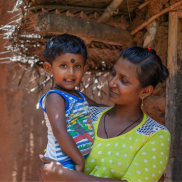
The Special Award Highly Hazardous Pesticides is one of the most ambitious and impactful solutions that minimizes the adverse effects of pesticides, which cause disproportionate harm to the environment and human health. Pesticides can cause severe environmental hazards, high acute, chronic toxicity and are also a very common suicide agent. Particularly, in Sri Lanka, two thirds of suicides were due to self-poisoning with pesticides. The Special Award Highly Hazardous Pesticides was awarded to Sri Lanka’s Control of Pesticides Act No

Case studies

Future Policy Award 2021: Philippines - Lead in Paint

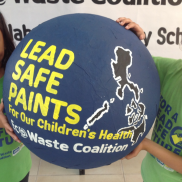
Lead is a cumulative toxic element particularly harmful to young children and pregnant women. Lead can be present at high levels in paint and is a major health concern specially in low and middle income countries. Philippines legislation towards lead-safe paint has provided safer alternatives to protect human health and the environment, actively involving all stakeholders. The Special Award Lead in Paint was awarded to Philippines’ Chemical Control Order for Lead and Lead Compounds (CCO, 2013-24).The World Future Council focuses

Emerging Policy Issues: Lead in paint Chemicals in products

Avatar