67 resources found

Academic article

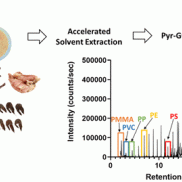
Quantitative Analysis of Selected Plastics in High-Commercial-Value Australian Seafood by Pyrolysis Gas Chromatography Mass Spectrometry

by
American Chemical Society
|
July 2020
copied to clipboard
Microplastic contamination of the marine environment is widespread, but the extent to which the marine food web is contaminated is not yet known. The aims of this study were to go beyond visual identification techniques and develop and apply a simple seafood sample cleanup, extraction, and quantitative analysis method using pyrolysis gas chromatography mass spectrometry to improve the detection of plastic contamination.This method allows the identification and quantification of polystyrene, polyethylene, polyvinyl chloride, polypropylene, and poly (methyl methacrylate) in the
Emerging Policy Issues: Chemicals in products
Factsheets and brochures

Questions & Answers on Lead

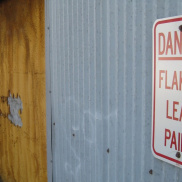
Questions and answers on lead from the World Health Organization:What is lead? What is lead poisoning? What are the health effects of lead exposure? What are the costs associated with lead exposure? What are the sources of human exposure to lead? How important are used lead-acid batteries as a source of lead exposure? What is lead paint? Why is lead paint an important source of human exposure? What are the economic costs of lead paint? What is the Global Alliance
Emerging Policy Issues: Lead in paint
Factsheets and brochures

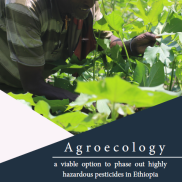
Agroecology – a viable option to phase out highly hazardous pesticides in Ethiopia

Agriculture in Ethiopia is the foundation of the country's economy. In an effort to increase production and productivity, the agriculture sector puts the use of inputs like pesticides and fertilizers as driving forces.The use of agricultural inputs, including pesticides, was introduced to smallholder farmers from the 1960s through agricultural extension systems. Since then, pesticide use by smallholder farmers showed a steady growth. This increasing trend in the use of pesticides as part of a development plan poses threats to human
Emerging Policy Issues: Highly Hazardous Pesticides
Academic article

Artificial Intelligence for chemical risk assessment

by
Elsevier
|
February 2020
copied to clipboard
As the basis for managing the risks of chemical exposure, the Chemical Risk Assessment (CRA) process can impact a substantial part of the economy, the health of hundreds of millions of people, and the condition of the environment. However, the number of properly assessed chemicals falls short of societal needs due to a lack of experts for evaluation, interference of third party interests, and the sheer volume of potentially relevant information on the chemicals from disparate sources.In order to explore
Academic article

How to Get Beyond the Zero-Sum Game Mentality between State and Non-State Actors in International Environmental Governance
by
Columbia University
|
January 2020
copied to clipboard
This paper examines one specific theme of the democracy-environment interface of environmental governance: the participation of stakeholders in environmental policy formulation and implementation.After a short discussion of environmental governance, its main functions and challenges, the paper addresses the issue of stakeholder participation and the claim of a “democratic deficit” in international environmental governance. It stresses that while stakeholder involvement does not increase the democratic legitimacy, it may nevertheless increase the quality and through this the legitimacy of environmental policy processes
Academic article

Rethinking chemistry for a circular economy

by
ScienceDirect
|
January 2020
copied to clipboard
Earth is running out of resources needed for manufacturing materials such as chemicals, minerals, and petroleum. Thus, these components are available only at increasing economic and environmental costs. As an important contribution to a sustainable future, chemistry and its products must be adapted to a circular economy (CE)—a system aimed at eliminating waste, circulating and recycling products, and saving resources and the environment.Nearly 140,000 industrial chemicals are marketed worldwide, and new chemicals are becoming more complex (e.g., stereochemistry, functional groups)
Emerging Policy Issues: Chemicals in products
Factsheets and brochures

Factsheet of The Quick Start Programme: 13 years of advancing sound chemicals management

by |
January 2020
copied to clipboard
The Quick Start Programme: 13 years of advancing sound chemicals management. Established in 2006 by the first International Conference on Chemicals Management – the Quick Start Programme (QSP) concluded in December 2019. The factsheet shares impact through successful projects and activities across the globe.
Avatar