68 resources found

Factsheets and brochures

Addressing Chemicals of Concern in Electrical and Electronic Equipment - Options for Action for Policymakers

by |
December 2021
copied to clipboard
The global production and consumption of Electrical and Electronic Equipment (EEE) is growing rapidly and EEE has become indispensable in modern societies, enhancing living standards. Currently, the total weight of global EEE consumption (excluding photovoltaic panels) on average increases by 2.5 million metric tons annually. This increasing consumption and production leads to an increase in raw material extraction and accompanying pollution.The options for action proposed in this document are intended to inspire policymakers and to offer guidance on possible entry
Emerging Policy Issues: Chemicals in products
Factsheets and brochures

Using a value chain approach to reduce chemicals of concern

by |
October 2021
copied to clipboard
Chemicals of concern (CoCs) contained in everyday products can have harmful impacts on human health and the environment. While chemical-related impacts can often occur during a product’s use or end-of-life, decisions influencing product ingredients are taken further upstream of the value chain. Action to address CoCs in products thus need to consider the entire value chain and impactful interventions need to be made at upstream stages to protect human health and the environment from chemical pollution. UNEP is working on
Policy document

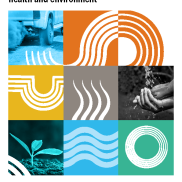
Compendium of WHO and other UN guidance on health and environment

This compendium provides a systematic compilation of published guidance from WHO and other UN organizations on health and environment. Guidance on policies and actions as well as awareness raising and capacity building interventions is presented for all major areas of health and environment. Guidance referring to priority settings for action such as cities and other urban settlements, housing, workplaces and health care facilities is also listed.For greater practical relevance, each guidance is classified according to principally involved sectors, level of
Policy document

Engaging the textiles industry as a key sector in SAICM: a review of PFAS as a chemical class in the textile sector

by
Natural Resources Defense Council (NRDC)
|
May 2021
copied to clipboard
The report examines the class approach for PFAS as it applies to the textile sector, which covers a wide variety of consumer products and connects two important issues covered in the SAICM context. The textile sector is an appropriate choice given the environmental significance of the sector and the scope of PFAS used within it. Both the quantity of PFAS in use and the variety of uses make this sector a priority for action. Furthermore, the nature of the sector—with
Emerging Policy Issues: Chemicals in products
Policy document

Guidance on key considerations for the identification and selection of safer chemical alternatives

by |
March 2021
copied to clipboard
The aim of the guidance is to advance broader agreement on a general approach and criteria for the selection of safer alternatives, with a focus on chemical substitution. It is intended to advance a consistent understanding of the minimum requirements needed to determine whether a chemical alternative is safer than the priority chemical, product, or technology for substitution, independent of the entity performing the assessment or the alternatives assessment framework being used.The guidance focuses on minimum assessment criteria and recommended
Emerging Policy Issues: Chemicals in products
Policy document

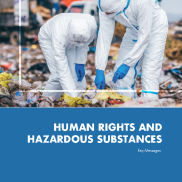
Key Messages on Human Rights and Hazardous Substances

Pollution is the largest source of premature death in the developing world, causing approximately three times more deaths than HIV/AIDS, tuberculosis and malaria combined (2018 Report of the Lancet Commission on pollution and health). It disproportionately affects persons, groups and peoples in vulnerable situations reflecting both historical and ongoing discrimination, racism, and power imbalances that have given rise to powerful social movements for environmental justice. Those responsible for the harmful impacts of hazardous substances must be held legally accountable for
Emerging Policy Issues: Chemicals in products
Factsheets and brochures

Case studies on the implementation of the WHO Chemicals Road Map

The World Health Organization is publishing a series of national case studies on the implementation of the WHO Chemicals Road map, which was adopted in World Health Assembly Decision 70(23).The case studies were developed by different Member States, including members of the Global Chemicals and Health Network. They illustrate the role the health sector plays in the sound management of chemicals, recognizing the need for multi-sectoral cooperation at a national level.The case studies concentrate on different actions of the road
Policy document

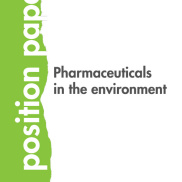
Pharmaceuticals in the environment

by |
December 2020
copied to clipboard
Medicinal products are physiologically highly active substances that enter the water and soil, particularly through human and animal excretion. They are being detected in the environment to a greater and greater extent, often in concentrations that are not harmless to humans and other living organisms. The consumption of pharmaceuticals is increasing, mainly due to the aging of the population. Consequently, measures to reduce environmental pollution are therefore necessary.
Emerging Policy Issues: Pharmaceutical pollutants

Avatar