87 resources found

Case studies

Future Policy Award 2021: Sweden, Region Stockholm - Chemicals in products

Although chemicals are important components in many products, they may be released at any stage of the product life cycle, resulting in potential exposures of humans and the environment. The second 2021 Gold Awardee addressing Chemicals in Products is Sweden, Region Stockholm: Phase-Out Lists for Chemicals Hazardous to the Environment and Human Health (2012-2016, revised for 2017-2021).The World Future Council focuses on identifying, developing, highlighting and spreading effective, future-just solutions for current challenges humanity is facing and promote their implementation

Emerging Policy Issues: Chemicals in products
Case studies

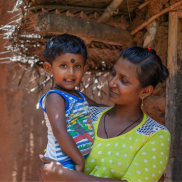
Future Policy Award 2021: Sri Lanka - Pesticides

The Special Award Highly Hazardous Pesticides is one of the most ambitious and impactful solutions that minimizes the adverse effects of pesticides, which cause disproportionate harm to the environment and human health. Pesticides can cause severe environmental hazards, high acute, chronic toxicity and are also a very common suicide agent. Particularly, in Sri Lanka, two thirds of suicides were due to self-poisoning with pesticides. The Special Award Highly Hazardous Pesticides was awarded to Sri Lanka’s Control of Pesticides Act No

Case studies

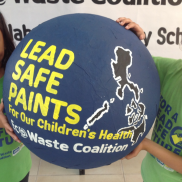
Future Policy Award 2021: Philippines - Lead in Paint

Lead is a cumulative toxic element particularly harmful to young children and pregnant women. Lead can be present at high levels in paint and is a major health concern specially in low and middle income countries. Philippines legislation towards lead-safe paint has provided safer alternatives to protect human health and the environment, actively involving all stakeholders. The Special Award Lead in Paint was awarded to Philippines’ Chemical Control Order for Lead and Lead Compounds (CCO, 2013-24).The World Future Council focuses

Emerging Policy Issues: Lead in paint Chemicals in products

Case studies

Future Policy Award 2021: Kyrgyzstan - Globally Harmonized System of Classification and Labelling of Chemicals

Globally Harmonized System of Classification and Labelling of Chemicals is a non-binding internationally agreed-upon system managed by the UN which defines and classifies the hazards of chemical products. Kyrgyzstan’s Resolution No. 43 on Approval of the Chemical Hazard Classification System and Hazard Information Requirements (2015) has legally bound GHS.The World Future Council focuses on identifying, developing, highlighting and spreading effective, future-just solutions for current challenges humanity is facing and promote their implementation worldwide. The Future Policy Award 2021 highlights exemplary

Emerging Policy Issues: Chemicals in products
Report

Pharmaceuticals Residues in Hospital Wastewater (Europe)

The healthcare sector has a unique healing mission, yet hospitals are key point sources for specialised pharmaceutical residues entering the environment, a serious source of pollution that can threaten ecosystems and the environment, as well as drive the development of antimicrobial resistance (AMR) – a serious public health threat.Up to 90% of orally administered pharmaceuticals are excreted into wastewater as active substances in the faeces and urine of patients. Wastewater treatment plants widely vary in their capacity to eliminate these
Emerging Policy Issues: Pharmaceutical pollutants
Report

Mapping of Stakeholders for the Regional Electronics Study and Circularity Roadmap in the Latin America and The Caribbean

This document has been developed within the framework of the Global Environment Facility (GEF) project ID: 9771 on Global Best Practices on Emerging Chemical Policy Issues of Concern under the Strategic Approach to International Chemicals Management (SAICM). This project is funded by the GEF, implemented by UNEP and executed by the SAICM Secretariat.Under the project, UNEP is partnering with Universidad El Bosque to develop a Regional Electronics Study and Circularity Roadmap in the Latin America and the Caribbean (LAC) Region

Report

Market and Sector Analysis Report of the Chemical Supply Chain of the Construction Sector in Sri Lanka

This market and sector analysis report of the chemical supply chain of the construction sector in Sri Lanka was conducted according to the process outlined in UNEP’s eco-innovation (Eco-i) manual.The construction industry is one of the largest industries in Sri Lanka both in terms of contribution to GDP as well as the labour force involved. As a result, the construction material supply chain is also one of the largest sub sectors in the country. There is an emerging trend in
Emerging Policy Issues: Chemicals in products
Report

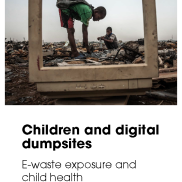
Children and digital dumpsites: e-waste exposure and child health

WHO launched the first comprehensive publication on e-waste, entitled ‘Children and digital dumpsites: e-waste exposure and child health’. The soaring global popularity of electronic and electrical devices, from computers to cell phones to heavy appliances, combined with ineffective waste management and disposal, is triggering a crisis of e-waste health risks to which millions of children, as well as women of childbearing age, are exposed.Informal processing of e-waste through open burning, heating and acid leaching (using cyanide salt, nitric acid or
Avatar