96 resources found

Report

Single-Use Plastic Products (SUPP) and their alternatives: Recommendations from Life Cycle Assessments

UN Environment Programme (UNEP) defines single use plastic products as “an umbrella term for different types of products that are typically used once before being thrown away or recycled” (UNEP 2018), which includes food packaging, bottles, straws, containers, cups, cutlery and shopping bags. It has been estimated that about 100-150 million tonnes of plastics are produced for single use products and about 8 million tonnes of plastics are dumped into the oceans every year (Plastics Oceans 2019)There is a need
Emerging Policy Issues: Chemicals in products
Topics: Life Cycle
Factsheets and brochures

Case studies on the implementation of the WHO Chemicals Road Map

The World Health Organization is publishing a series of national case studies on the implementation of the WHO Chemicals Road map, which was adopted in World Health Assembly Decision 70(23).The case studies were developed by different Member States, including members of the Global Chemicals and Health Network. They illustrate the role the health sector plays in the sound management of chemicals, recognizing the need for multi-sectoral cooperation at a national level.The case studies concentrate on different actions of the road
Report

Plastics Pose a Threat to Human Health

Plastics Pose a Threat to Human Health: Authoritative Reports Shows Plastics and Microplastics are Pervasive Sources of Exposure to Dangerous Endocrine-disrupting ChemicalsPlastics contain and leach hazardous chemicals, including endocrine-disrupting chemicals (EDCs) that threaten human health. An authoritative new report, Plastics, EDCs, & Health, from the Endocrine Society and the IPEN (International Pollutants Elimination Network), presents a summary of international research on the health impacts of EDCs and describes the alarming health effects of widespread contamination from EDCs in plastics.EDCs are
Emerging Policy Issues: Endocrine-Disrupting Chemicals
Report

Women, Chemicals and the SDGs

by |
December 2020
copied to clipboard
Gender Review Mapping with a Focus on Women and Chemicals: Impact of Emerging Policy Issues and the Relevance for the Sustainable Development GoalsThe aim of this report is to show the impact chemicals have on women as a vulnerable group highly exposed to hazardous chemicals and gender inequalities re­lated to decision-making around the management of chemicals and waste. The report also means to provide concrete steps that can be taken to safeguard the health of women and empower women in
Factsheets and brochures

Clariant playing a leading role in supporting the coatings industry to phase out lead in paints

Media ReleaseAs one of the first companies to completely end the production, and supply, of lead-based pigments in the mid-1980’s (Hoechst AG – now Clariant), Clariant supported the Global Alliance to eliminate lead paint and, through regulatory and legal measures, accelerate progress towards its global phase out.To work towards this goal, Clariant is a supporter of the Strategic Approach to International Chemicals Management (SAICM), hosted by UN Environment Programme, a global policy framework which aims to protect human health and
Emerging Policy Issues: Lead in paint
Report

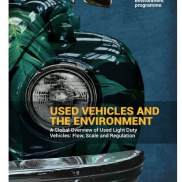
Used Vehicles and the Environment

by |
October 2020
copied to clipboard
Used Vehicles and the Environment - A Global Overview of Used Light Duty Vehicles: Flow, Scale and RegulationMillions of used cars, vans and minibuses exported from Europe, the USA and Japan to low- and middle-income countries are hindering efforts to combat climate change. They are contributing to air pollution and are often involved in road accidents. Many of them are of poor quality and would fail road-worthiness tests in the exporting countries.A landmark, first-of-its-kind United Nations Environment Programme (UNEP) report
Emerging Policy Issues: Chemicals in products
Topics: Circularity
Report

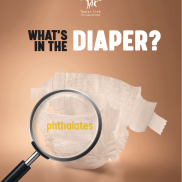
What's in the Diaper

Presence of Phthalates in Baby DiapersThe use of disposable diapers have been the standard for baby hygiene for many years.Among polymers used in diapers Phthalates are generally used as plasticizers and catalysts for the polymerization. Phthalates provide flexibility & durability to these polymers because of which they are used in the manufacturing of diapers.As Phthalates have been characterized as an endocrine disrupting chemical, the use of Phthalates in the diapers raises concern of possible health impacts on children.
Report

An Assessment Report on Issues of Concern: Chemicals and Waste Issues Posing Risks to Human Health and the Environment

by |
September 2020
copied to clipboard
Many countries and regions have set up regulatory and policy frameworks to achieve sound chemicals and waste management. In addition to national and regional efforts, the international community has taken concerted joint actions to address specific issues of concern, including chemicals that can be transported over long distances by wind and water, are transported through global trade in resources, products and waste, or are used or are present in many countries.Substantial progress has been made by the international community, including
Avatar