52 resources found

Factsheets and brochures

Pollinators and Pesticides - Keeping our bees safe

Pollination is the transfer of pollen between the male and female parts of flowers to enable fertilization and reproduction. The majority of cultivated and wild plants depend on animal vectors, known as pollinators, to transfer pollen. However, other means of pollen transfer such as self-pollination or wind-pollination are also important. Pollinators comprise a diverse group of animals dominated by insects, especially bees. More than 75% of the leading types of global good crops are visited by animal pollinators, such as
Emerging Policy Issues: Highly Hazardous Pesticides
Video

Global Chemicals Outlook 2019

The Global Chemicals Outlook II – From Legacies to Innovative Solutions: Implementing the 2030 Agenda for Sustainable Development, mandated by the UN Environment Assembly in 2016, seeks to alert policymakers and other stakeholders to the critical role of the sound management of chemicals and waste in sustainable development. It takes stock of global trends as well as progress made and gaps in achieving the global goal to minimize the adverse impacts from chemicals and waste by 2020. The Global Chemicals
Factsheets and brochures

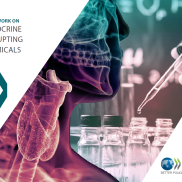
OECD Work on Endocrine Disrupting Chemicals

by |
March 2018
copied to clipboard
The Organisation for Economic Co‑operation and Development (OECD) is a multi‑disciplinary inter governmental organisation, tracing its roots back to the post‑World War II Marshall Plan. Today, it comprises 35 member countries and the European Commission committed to democratic government and the market economy, with the major emerging economies increasingly engaged directly in the work.The Environment Directorate of the OECD helps countries design environmental policies that are both economically efficient and effective at achieving their environmental objectives.The Environment Directorate provides policy
Emerging Policy Issues: Endocrine-Disrupting Chemicals
Video

Safer Pharma | Pharmaceuticals in the environment

Pharmaceuticals in the environment are a global problem – more than 600 pharmaceuticals and their metabolites have been found in the environment worldwide.They enter the environment (through water, soil, sludge, and organisms) at all stages of their life cycle and can end up in drinking water, and accumulate in fish, vegetables, and livestock.This aim of the Safer Pharma campaign is to protect the environment from pharmaceutical pollution at all stage of their life cycle.The campaign is coordinated by Health Care
Emerging Policy Issues: Pharmaceutical pollutants
Video

We're almost there. Let's get there together

SAICM - International Conference on Chemicals Management - Curtain raiser from UN Environment on Vimeo.

Avatar