59 resources found

Policy document

International Code of Conduct on Pesticide Management

The International Code of Conduct on Pesticide Management is the framework on pesticide management for all public and private entities engaged in, or associated with, production, regulation and management of pesticides.The new Code of Conduct on Pesticide Management was approved by the FAO Conference in June 2013. The Code provides standards of conduct serves as a point of reference in relation to sound pesticide life cycle management practices, in particular for government authorities and the pesticide industry.The document is available
Emerging Policy Issues: Highly Hazardous Pesticides
Case studies

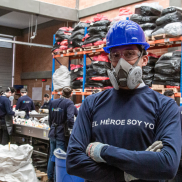
Future Policy Award 2021: Colombia - Environmentally Persistent Pharmaceutical Pollutants

Despite the fact that pharmaceuticals are indispensable for human and animal health, they may cause undesired adverse effects. Specifically, environmentally persistent pharmaceutical pollutants (EPPPs) are slowly degradable or nondegradable, presenting a special risk when they enter, persist or disseminate in the environment. Colombia’s Resolution 371, addressing EPPPs, was awarded for regulating waste management from hazardous products.The World Future Council focuses on identifying, developing, highlighting and spreading effective, future-just solutions for current challenges humanity is facing and promote their implementation worldwide

Policy document

Compendium of WHO and other UN guidance on health and environment

This compendium provides a systematic compilation of published guidance from WHO and other UN organizations on health and environment. Guidance on policies and actions as well as awareness raising and capacity building interventions is presented for all major areas of health and environment. Guidance referring to priority settings for action such as cities and other urban settlements, housing, workplaces and health care facilities is also listed.For greater practical relevance, each guidance is classified according to principally involved sectors, level of
Case studies

Future Policy Award 2021: Sweden, Region Stockholm - Chemicals in products

Although chemicals are important components in many products, they may be released at any stage of the product life cycle, resulting in potential exposures of humans and the environment. The second 2021 Gold Awardee addressing Chemicals in Products is Sweden, Region Stockholm: Phase-Out Lists for Chemicals Hazardous to the Environment and Human Health (2012-2016, revised for 2017-2021).The World Future Council focuses on identifying, developing, highlighting and spreading effective, future-just solutions for current challenges humanity is facing and promote their implementation

Emerging Policy Issues: Chemicals in products
Case studies

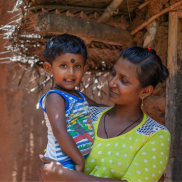
Future Policy Award 2021: Sri Lanka - Pesticides

The Special Award Highly Hazardous Pesticides is one of the most ambitious and impactful solutions that minimizes the adverse effects of pesticides, which cause disproportionate harm to the environment and human health. Pesticides can cause severe environmental hazards, high acute, chronic toxicity and are also a very common suicide agent. Particularly, in Sri Lanka, two thirds of suicides were due to self-poisoning with pesticides. The Special Award Highly Hazardous Pesticides was awarded to Sri Lanka’s Control of Pesticides Act No

Case studies

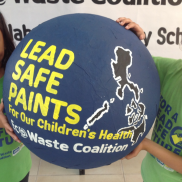
Future Policy Award 2021: Philippines - Lead in Paint

Lead is a cumulative toxic element particularly harmful to young children and pregnant women. Lead can be present at high levels in paint and is a major health concern specially in low and middle income countries. Philippines legislation towards lead-safe paint has provided safer alternatives to protect human health and the environment, actively involving all stakeholders. The Special Award Lead in Paint was awarded to Philippines’ Chemical Control Order for Lead and Lead Compounds (CCO, 2013-24).The World Future Council focuses

Emerging Policy Issues: Lead in paint Chemicals in products

Case studies

Future Policy Award 2021: Kyrgyzstan - Globally Harmonized System of Classification and Labelling of Chemicals

Globally Harmonized System of Classification and Labelling of Chemicals is a non-binding internationally agreed-upon system managed by the UN which defines and classifies the hazards of chemical products. Kyrgyzstan’s Resolution No. 43 on Approval of the Chemical Hazard Classification System and Hazard Information Requirements (2015) has legally bound GHS.The World Future Council focuses on identifying, developing, highlighting and spreading effective, future-just solutions for current challenges humanity is facing and promote their implementation worldwide. The Future Policy Award 2021 highlights exemplary

Emerging Policy Issues: Chemicals in products
Policy document

Engaging the textiles industry as a key sector in SAICM: a review of PFAS as a chemical class in the textile sector

by
Natural Resources Defense Council (NRDC)
|
May 2021
copied to clipboard
The report examines the class approach for PFAS as it applies to the textile sector, which covers a wide variety of consumer products and connects two important issues covered in the SAICM context. The textile sector is an appropriate choice given the environmental significance of the sector and the scope of PFAS used within it. Both the quantity of PFAS in use and the variety of uses make this sector a priority for action. Furthermore, the nature of the sector—with
Emerging Policy Issues: Chemicals in products
Avatar