73 resources found

Website

International Waters Learning Exchange and Resource Network (IW Learn)

by
GEF
|
June 2021
copied to clipboard
IW:LEARN is the Global Environment Facility's (GEF) International Waters Learning Exchange and Resource Network. The IW:LEARN project was established to strengthen transboundary water management around the globe by collecting and sharing best practices, lessons learned, and innovative solutions to common problems across the GEF International Waters portfolio. It promotes learning among project managers, country official, implementing agencies, and other partners.
Policy document

Engaging the textiles industry as a key sector in SAICM: a review of PFAS as a chemical class in the textile sector

by
Natural Resources Defense Council (NRDC)
|
May 2021
copied to clipboard
The report examines the class approach for PFAS as it applies to the textile sector, which covers a wide variety of consumer products and connects two important issues covered in the SAICM context. The textile sector is an appropriate choice given the environmental significance of the sector and the scope of PFAS used within it. Both the quantity of PFAS in use and the variety of uses make this sector a priority for action. Furthermore, the nature of the sector—with
Emerging Policy Issues: Chemicals in products
Policy document

Guidance on key considerations for the identification and selection of safer chemical alternatives

by |
March 2021
copied to clipboard
The aim of the guidance is to advance broader agreement on a general approach and criteria for the selection of safer alternatives, with a focus on chemical substitution. It is intended to advance a consistent understanding of the minimum requirements needed to determine whether a chemical alternative is safer than the priority chemical, product, or technology for substitution, independent of the entity performing the assessment or the alternatives assessment framework being used.The guidance focuses on minimum assessment criteria and recommended
Emerging Policy Issues: Chemicals in products
Policy document

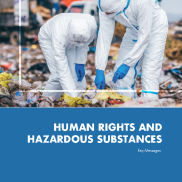
Key Messages on Human Rights and Hazardous Substances

Pollution is the largest source of premature death in the developing world, causing approximately three times more deaths than HIV/AIDS, tuberculosis and malaria combined (2018 Report of the Lancet Commission on pollution and health). It disproportionately affects persons, groups and peoples in vulnerable situations reflecting both historical and ongoing discrimination, racism, and power imbalances that have given rise to powerful social movements for environmental justice. Those responsible for the harmful impacts of hazardous substances must be held legally accountable for
Emerging Policy Issues: Chemicals in products
Website

USEPA - Toxics Release Inventory Website Now Available in Spanish
by
US Environmental Protection Agency
|
February 2021
copied to clipboard
Toxics Release Inventory Website Now Available in SpanishToday, EPA launched a Spanish version of the Toxics Release Inventory (TRI) website. Spanish-speaking communities across the United States, including those in Puerto Rico, will be able to use this new website to learn about chemical releases and other waste management in their communities—expanding their access to environmental information and making TRI data easier to access.This new website makes the most popular resources from the English version of the website available in Spanish
Website

Green Growth Knowledge Platform
by
Green Growth Knowledge Platform
|
February 2021
copied to clipboard
The GGKP is a global community of organisations and experts committed to collaboratively generating, managing and sharing green growth knowledge and data to mobilise a sustainable future.
Policy document

Pharmaceuticals in the environment

by |
December 2020
copied to clipboard
Medicinal products are physiologically highly active substances that enter the water and soil, particularly through human and animal excretion. They are being detected in the environment to a greater and greater extent, often in concentrations that are not harmless to humans and other living organisms. The consumption of pharmaceuticals is increasing, mainly due to the aging of the population. Consequently, measures to reduce environmental pollution are therefore necessary.
Emerging Policy Issues: Pharmaceutical pollutants
Policy document

Eliminating Lead Paint: The Role of the Paint Industry

by |
October 2020
copied to clipboard
The Strategic Approach to International Chemicals Management (SAICM) is a global policy framework which aims to protect human health and the environment from the unsound management of chemicals and waste. Since its inception in 2006, the voluntary and multisectoral and multistakeholder nature of SAICM has been viewed as one of its core strengths. SAICM provided a space for government and non-government actors alike to discuss and deliberate on the management of chemicals and waste.A key obstacle that has been limiting
Emerging Policy Issues: Lead in paint
Avatar
