123 resources found

Article
SAICM Launches Project on Best Practices for Chemical Policy Issues of Concern
> The project will focus on three components: phase out of lead in paint; lifecycle management
Emerging Policy Issues:
Lead in paint
Chemicals in products
Topics:
Knowledge Management

Article
SAICM Launches Project on Best Practices for Chemical Policy Issues of Concern

16 January 2019: The Strategic Approach to International Chemicals Management (SAICM) Secretariat launched a project on
Topics:
Knowledge Management
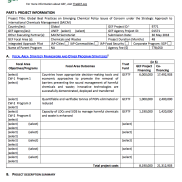
Project document
Project document: Global Best Practices on Emerging Chemical Policy Issues of Concern under the Strategic Approach to International Chemicals Management (SAICM)
Emerging Policy Issues:
Chemicals in products
Policy document
Gender and the sound management of chemicals and waste: Prepared for the SAICM intersessional process beyond 2020
Report
Study on Knowledge Management and Information Sharing for the Sound Management of Industrial Chemicals
Topics:
Knowledge Management
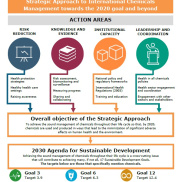
Article
WHO Chemicals Road Map
On May 30, 2017, the Seventieth World Health Assembly approved the Road map to enhance health
Emerging Policy Issues:
Pharmaceutical pollutants
Chemicals in products
Article
Closer to Home than We Think: Chemicals and the Formula for Sound Management
When industrial disasters make the headlines, we often sit up and take notice. Could it happen
Emerging Policy Issues:
Pharmaceutical pollutants
Chemicals in products
Topics:
Knowledge Management
Report
Global Waste Management Outlook
Emerging Policy Issues:
Chemicals in products
