39 resources found

Report

Regional Electronics Study and Circularity Roadmap in the LAC Region: Mapping of Existing Initiatives

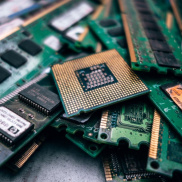
Technological development has made electrical and electronic equipment (EEE1) essential parts of contemporary life and indispensable products in today’s societies. Information technology (IT) combined with the technological advances in recent decades, has resulted in EEE having a great influence on the daily life of consumers in aspects such as health, safety, knowledge, comfort information, among others. The global consumption of electronics is growing 2.5 million metric tons per year (Forti, Baldé, Kuehr, & Bel, 2020), because technology increases the living

Factsheets and brochures

Questions & Answers on Lead

Questions and answers on lead from the World Health Organization:What is lead? What is lead poisoning? What are the health effects of lead exposure? What are the costs associated with lead exposure? What are the sources of human exposure to lead? How important are used lead-acid batteries as a source of lead exposure? What is lead paint? Why is lead paint an important source of human exposure? What are the economic costs of lead paint? What is the Global Alliance
Emerging Policy Issues: Lead in paint
Infographic

biodiversity in danger from poor management of chemicals and waste

World Environment Day took place on 5 June 2020 and the theme this year was biodiversity. SAICM celebrated by creating an infographic on how chemicals and waste can impact biodiversity and releasing an article on how we can do more to protect and help our planet's biodiversity flourish.
Website

Health information about Lead

A range of documents provide information about the health impacts of lead, sources of lead exposure and methods for evaluating exposure. Key WHO risk assessment documents concerning lead are also provided. These resources can be used by governments and international and national organizations as the basis for taking preventive actions against adverse health and environmental impacts.
Emerging Policy Issues: Lead in paint
E-learning

The E-Waste Challenge

This course will help the participants to understand why and how to manage e-waste in an environmentally sound manner and how action on e-waste could be taken in their own life, business, or organization.The aims of the course are to:Show how sound management of e-waste can help reduce GHG emissions, mitigate climate change and prevent hazards to health and the environment in accordance with the Basel, Rotterdam, and Stockholm conventions;Share best practices, technological innovations, and sustainable e-waste recovery and inclusive

Academic article

Preventing disease through healthy environments: exposure to lead: a major public health concern

November 2019
copied to clipboard
This WHO policy brief presents the consequences of lead exposure on human health and details its toxicity in the body system explaining why it is important to reduce the use and releases of lead, and to reduce environmental and occupational exposures, particularly for children and women of childbearing age.The policy brief also lists the sources of lead releases and contamination in industrial process, drinking water and domestic sources. The brief also gives guidelines for tolerable intake levels of lead and
Emerging Policy Issues: Lead in paint
Website

International Lead Poisoning Prevention Week (ILPPW)

The International Lead Poisoning Prevention Week of action (ILPPW) takes place every year at the end of October. The objectives of the campaign are to raise awareness about health effects of lead poisoning; highlight countries and partners' efforts to prevent particularly childhood lead poisoning; and urge further action to eliminate lead paint through regulatory action at country level.The campaign website presents a multilingual campaign resource package, including posters, flyers, infographics, graphics and web banners in various formats, including an editable
Emerging Policy Issues: Lead in paint
Avatar