52 resources found

Factsheets and brochures

Gender mainstreaming in chemicals and waste policies

by
HEJSupport International
|
August 2020
copied to clipboard
New Fact Sheet: Gender mainstreaming in chemicals and waste policiesGender equality is a core human rights and development issue, as highlighted in several international and regional human rights instruments, including those that are part of multilateral environmental agreements. Law-binding and voluntary agreements on chemicals and waste are no exception and play an essential role in increasing the participation of women and men in the management of chemicals and waste, while contributing to gender equality.The fact sheet includes examples of texts
Factsheets and brochures

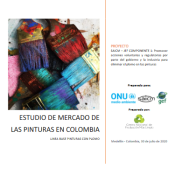
Market Analysis of the paint industry in Colombia (Draft / Spanish only)

Las pinturas se han convertido en parte esencial del estilo de vida de la sociedad moderna, el color de ellas es apetecido por sus funciones estĂ©ticas, decorativas, de protecciĂ³n para productos y hasta en usos como cĂ³digos de seguridad, sin embargo, su producciĂ³n y uso plantea aun muchos retos en los cuales se viene trabajando tanto a nivel mundial como local.Los paĂ­ses mĂ¡s industrializados prohibieron desde hace mĂ¡s de 40 años el uso de pinturas con plomo. Colombia aĂºn carece
Emerging Policy Issues: Lead in paint
Topics: Policymaking
Factsheets and brochures

Questions & Answers on Lead

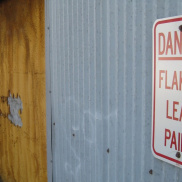
Questions and answers on lead from the World Health Organization:What is lead? What is lead poisoning? What are the health effects of lead exposure? What are the costs associated with lead exposure? What are the sources of human exposure to lead? How important are used lead-acid batteries as a source of lead exposure? What is lead paint? Why is lead paint an important source of human exposure? What are the economic costs of lead paint? What is the Global Alliance
Emerging Policy Issues: Lead in paint
Factsheets and brochures

Agroecology – a viable option to phase out highly hazardous pesticides in Ethiopia

Agriculture in Ethiopia is the foundation of the country's economy. In an effort to increase production and productivity, the agriculture sector puts the use of inputs like pesticides and fertilizers as driving forces.The use of agricultural inputs, including pesticides, was introduced to smallholder farmers from the 1960s through agricultural extension systems. Since then, pesticide use by smallholder farmers showed a steady growth. This increasing trend in the use of pesticides as part of a development plan poses threats to human
Emerging Policy Issues: Highly Hazardous Pesticides
Video

SAICM Emerging Policy Issues Video

Have you ever noticed how many chemicals shape people’s daily lives? They keep homes sparkling clean, boost food production, and are included in virtually all manufactured goods surrounding you right now. Chemicals drive the economy but as we produce more than ever before, they have to deliver their benefits without damaging our health and environment.Toxic lead paint for example is still used in many regions of the world and Highly hazardous pesticides continue to poison agricultural workers and contaminate the
Video

SAICM Perflourinated Chemicals Video

Perflourinated Chemicals (PFCs) are the key ingredient in many stain, water and grease repellent coatings that make outdoor jackets water tight and frying pans non sticky. These chemicals consist of long molecules that contain carbon chains surrounded by fluorine. That bond between carbon and fluorine is incredibly tight. They interact so strongly with each other that the normal, inter-molecular forces, that cause substances to stick to each other, don’t stand a chance.While some types of PFCs are either safe or
Emerging Policy Issues: Perfluorinated Chemicals
Video

SAICM Environmentally Persistent Pharmaceuticals Pollutants Video

Pharmaceuticals are chemicals we specifically design to act on living cells. They regulate, in organisms, hormonal balance and the way it metabolizes its nutrients. Pharmaceuticals even change the way signals travel between cells. In order to work, many drugs have to resist the stomach’s acid environment, so the compounds can reach their destination inside the body. That’s why they are formulated to degrade very slowly or not at all. When active pharmaceuticals pass through our bodies and enter the environment
Emerging Policy Issues: Pharmaceutical pollutants

Avatar