11 resources found

Manuals and toolkits

Guía para la consideración de sustancias químicas de preocupación en el proceso de compras públicas sostenibles de Aparatos eléctricos y electrónicos

November 2023
copied to clipboard

Este documento aborda la gestión de sustancias químicas de preocupación y algunos

aspectos de sostenibilidad, incluyendo la circularidad en la compra pĆŗblica sostenible

(CPS) de los AEE, especĆ­ficamente de computadores, impresoras y acondicionadores de

aire, proporcionando ademÔs una orientación clara a las entidades públicas sobre cómo

incluir criterios técnicos para la adquisición de dichos equipos.

Circular_Economy_Electronics_LAC
Report

Toward a Circular Economy for the Electronics Sector in Latin America and the Caribbean (LAC): Overview, Actions and Recommendations

This report provides an overview of the current status and conditions of the Circular Economy in the electronics value chain in the Latin America and the Caribbean (LAC) region, identifies key areas of concern, provides appropriate recommendations, and proposes priority actions to improve circularity of the sector. The recommendations and roadmap focus on the individual life cycle stages of the electronics value chain, as well as on aspects that cut across the value chain. The transition towards a more circular electronics sector in Latin America and the Caribbean (LAC) would require a holistic and coordinated approach to progress toward a more circular electronics value chain in the CEE region.

This publication was prepared under the framework of the Global Environment Facility (GEF) full-sized project 9771: Global best practices on emerging chemical policy issues of concern under the Strategic Approach to International Chemicals Management (SAICM). This project is funded by the GEF, implemented by UNEP and executed by the SAICM Secretariat.

eco-i_electronics
Manuals and toolkits

Eco-innovation (Eco-i) manual – Electronics Supplement

by |
December 2022
copied to clipboard

UNEP's new Eco-innovation Electronics Supplement was created to respond to the electronics sector's need for more guidance in building resilient, competitive, and sustainable business models for SMEs. Designed together with the World Resources Forum and to be read alongside UNEP's Eco-innovation (Eco-i) Manual, the supplement provides electronics specific examples, learning case studies, and advice on applying the eco-innovation methodology and its opportunities in the electronic sector.

This publication was prepared under the framework of the Global Environment Facility (GEF) full-sized project 9771: Global best practices on emerging chemical policy issues of concern under the Strategic Approach to International Chemicals Management (SAICM). This project is funded by the GEF, implemented by UNEP and executed by the SAICM Secretariat.

Lead_Paint_Guide
Manuals and toolkits

Lead Paint Reformulation Technical Guidelines

The Lead Paint Reformulation Technical Guidelines have developed by the United Nations Environment Programme (UNEP) and guided by the Global Alliance to Eliminate Lead Paint. The document provide a comprehensive starting point for all stakeholders to learn more about paint reformulation and best practices. They offer general information on processes and provide a step-by-step approach to reformulation, indicating where to find relevant information such as alternative raw materials and additional details such as standards for testing and in-depth case studies.The

Emerging Policy Issues: Lead in paint
Topics: Policymaking
GSCF
Manuals and toolkits

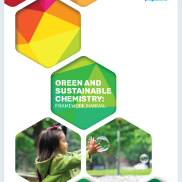
Green and Sustainable Chemistry: Framework Manual

The Framework Manual introduces, in a structured way, various facets of green and sustainable chemistry, with the intention to foster learning, reflection and scale up action based on a common global understanding of the concept. It features an organizing framework that unpacks various topics relevant for green and sustainable chemistry literature. The Manual is setting objectives and guiding considerations from green and sustainable chemistry, as well as an innovation and research framework are offered to stimulate stakeholder action at various levels and in different settings. Ultimately, the Manual seeks to promote innovation that unveils the full power of chemistry, and is compatible with, and supports implementation of global sustainable development goals and targets. The range of topics covered in the Manual have been identified following a review of the green and sustainable chemistry literature, the 2019 UNEP report on best practices in sustainable chemistry, and the second edition of the Global Chemicals Outlook (GCO-II). Resources permitting, the Framework Manual will be complemented by specific manuals, covering selected topics of interest to stakeholders. The Manual is structured alongside the elements of the conceptual framework ā€œAdvancing sustainability through green and sustainable chemistryā€ which was developed through a consultative process and is introduced below. Chapters 2, 3 and 4 address the question of: ā€œWhyā€ is green and sustainable chemistry needed and ā€œWhatā€ does it aim to achieve, and in which specific innovation areas. Chapters 5, 6 and 7 focus on enabling tools and measures to advance green and sustainable chemistry (the ā€œHowā€). These action-enabling elements range from promoting life cycle approaches, to strengthening research and innovation policies and programmes. An important cross-cutting topic is the need to scale up awareness raising and education initiatives at all levels that bring the green and sustainable chemistry agenda to potential actors, through formal and informal education.

Emerging Policy Issues: Chemicals in products
2212521_SAICM_GEF9771_LIP_TechGuide_cover
Manuals and toolkits

Reformulation is Entirely Possible: Summary of the Lead Paint Reformulation Technical Guidelines and How to Use this Information

This document summarizes information from the Lead Paint Reformulation Technical Guidelines, the findings and recommendations of the reformulation pilot demonstrations, and two case studies of paint manufacturers which have reformulated paint products. This summary is also intended to highlight how the information from the Guidelines can be used by different stakeholders involved in the phasing out of lead paint.The full set of technical guidelines can be accessed here.The guidelines were made possible under a global project funded by the Global

Emerging Policy Issues: Lead in paint
Topics: Policymaking
Report

Report of the 2020 International Lead poisoning Prevention Week

The eighth International Lead Poisoning Prevention Week (ILPPW) was held on 25–31 October 2020, with more than 90 events in 60 countries organized by governments, civil society organizations, health partners, industry and other institutions.ILPPW is an ongoing initiative of the Global Alliance to Eliminate Lead Paint (the Lead Paint Alliance), led jointly by the United Nations Environment Programme (UNEP) and WHO. The aim of the Week is to raise awareness about the health effects of lead exposure, highlight the efforts
Emerging Policy Issues: Lead in paint
Report

Women, Chemicals and the SDGs

by |
December 2020
copied to clipboard
Gender Review Mapping with a Focus on Women and Chemicals: Impact of Emerging Policy Issues and the Relevance for the Sustainable Development GoalsThe aim of this report is to show the impact chemicals have on women as a vulnerable group highly exposed to hazardous chemicals and gender inequalities reĀ­lated to decision-making around the management of chemicals and waste. The report also means to provide concrete steps that can be taken to safeguard the health of women and empower women in
Avatar