57 resources found

Database

USEtox

USEtox is a scientific consensus model endorsed by UNEP's Life Cycle Initiative for characterizing human and ecotoxicological impacts of chemicals. The main output is a database of characterization factors including fate, exposure, and effect parameters.

Database

ECOproduct

ECOproduct is a database for choosing environmentally friendly building materials and chemicals based on information in an Environmental Product Declaration (EPD) or a safety data sheet. Each product gets an environmental profile based on for Indoor Environment, Health and Environmental Hazardous Substances, Global Warming Potential and Resource Consumption. The specific environmental data can also be viewed, in addition to the actual EPD/Safety Data Sheet for every product. Requires a paid licence.

Emerging Policy Issues: Chemicals in products

Database

PRIO - a tool for substitution

The PRIO tool helps you to find and replace hazardous substances in your articles or chemical products. By replacing hazardous substances, you will take care of your employees, your customers, and the environment. It also allows your products to be recycled and reused providing the basis for the development towards a non-toxic circular economy.

Emerging Policy Issues: Chemicals in products
Case studies

Case study: CHARM virtually plastic free homes

CHARM virtually plastic free homes is an affordable housing development of 12 homes, built using plastic-free materials to reduce environmental and health impacts. The homes are constructed from timber panels and make extensive use of alternative and recycled products, such as aluminium window frames and mineral insulation.

Country: United Kingdom
Case studies

Lead in Paint Regulation: Case Study – The Philippines

This case study describes the adoption of regulations on lead paint in Philippines and how this came about through a collaboration between government, civil society and industry.

Emerging Policy Issues: Lead in paint
Case Study 3
Case studies

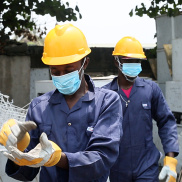
Piloting the Extended Producer Responsibility scheme in Nigeria

This case study highlights three main achievements resulting from the EPR pilot that tested potential collection channels, determined local e-waste treatment costs, and promoted environmentally sound e-waste management and gender equality in Nigeria's electronics sector.

  1. Setting an EPR financial mechanism by understanding local collection and recycling costs and estimating the EPR fee based on local costs.
  2. Reducing the health and environmental risks associated with e-waste management practices by ensuring hazardous materials like mercury and Persistent Organic Pollutants in e-waste are recycled in an environmentally sound manner.
  3. Improving the health, security, and safety of waste management workers, including women who face various risks in the sector.

The study concludes with a summary of the next steps and key learnings that emphasize the importance of environ-mentally and socially responsible e-waste management with a focus on gender equality in the sector.

Healthy Materials Lab
Case studies

PA Hemp Home

This case study describes the ongoing renovation of a home in Pennsylvania using HempLine, a natural insulation product. The home is designed to be fully disability accessible, making healthy building materials particularly important. The renovation will act as a model for the future of healthy, affordable and accessible housing, and prove to other developers that the radical change this industry needs is possible.

Case studies

Case study: "What's it Made of?" with Sustainable Furnishings Council

"What's it Made of?" is an environmental health initiative which encourages the elimination of dangerous substances commonly included in furniture production. The initiative involves a simple pledge for manufacturers to ask their suppliers about the substances in their materials and products. "What's it Made of?" was launched in 2016 and instantly gained over 300 signatures, which continue to grow through the efforts of the Sustainable Furnishings Council.

Emerging Policy Issues: Chemicals in products
Avatar