107 resources found

Academic article

Alternative societal solutions to pharmaceuticals in the aquatic environment

by
ScienceDirect
|
September 2020
copied to clipboard
Environmental contamination with pharmaceuticals is widespread, inducing risks to both human health and the environment. This paper explores potential societal solutions to human and veterinary pharmaceuticals in the aquatic environment. To this end, we adopt transition research’s multi-level perspective framework, which allows us to understand the dynamics underlying pharmaceutical emissions and to recognize social and technical factors triggering change. The authors' qualitative analysis is based on data collected through literature research and interviews with actors from pharmaceutical industry, the health
Emerging Policy Issues: Pharmaceutical pollutants
Report

An Assessment Report on Issues of Concern: Chemicals and Waste Issues Posing Risks to Human Health and the Environment

by |
September 2020
copied to clipboard
Many countries and regions have set up regulatory and policy frameworks to achieve sound chemicals and waste management. In addition to national and regional efforts, the international community has taken concerted joint actions to address specific issues of concern, including chemicals that can be transported over long distances by wind and water, are transported through global trade in resources, products and waste, or are used or are present in many countries.Substantial progress has been made by the international community, including
Academic article

Endocrine-disrupting chemicals: economic, regulatory, and policy implications

by
ScienceDirect
|
July 2020
copied to clipboard
Endocrine-disrupting chemicals (EDCs) substantially cost society as a result of increases in disease and disability but—unlike other toxicant classes such as carcinogens—have yet to be codified into regulations as a hazard category.This Series paper examines economic, regulatory, and policy approaches to limit human EDC exposures and describes potential improvements. In the EU, general principles for EDCs call for minimisation of human exposure, identification as substances of very high concern, and ban on use in pesticides. In the USA, screening and
Emerging Policy Issues: Endocrine-Disrupting Chemicals
Academic article

Life cycle based alternatives assessment (LCAA) for chemical substitution

by
Green Chemistry
|
July 2020
copied to clipboard
AbstractThe world faces an increasing need to phase out harmful chemicals and design sustainable alternatives across various consumer products and industrial applications. Alternatives assessment is an emerging field focusing on identifying viable solutions to substitute harmful chemicals. However, current methods fail to consider trade-offs from human and ecosystem exposures, and from impacts associated with chemical supply chains and product life cycles. To close this gap, we propose a life cycle based alternatives assessment (LCAA) framework for consistently integrating quantitative exposure
Academic article

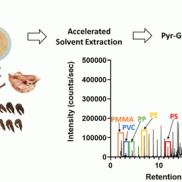
Quantitative Analysis of Selected Plastics in High-Commercial-Value Australian Seafood by Pyrolysis Gas Chromatography Mass Spectrometry

by
American Chemical Society
|
July 2020
copied to clipboard
Microplastic contamination of the marine environment is widespread, but the extent to which the marine food web is contaminated is not yet known. The aims of this study were to go beyond visual identification techniques and develop and apply a simple seafood sample cleanup, extraction, and quantitative analysis method using pyrolysis gas chromatography mass spectrometry to improve the detection of plastic contamination.This method allows the identification and quantification of polystyrene, polyethylene, polyvinyl chloride, polypropylene, and poly (methyl methacrylate) in the
Emerging Policy Issues: Chemicals in products
Report

Report of the 2019 International Lead poisoning Prevention Week

From 20 to 26 October 2019 the seventh International Lead Poisoning Prevention Week of action (ILPPW) took place in countries around the world. This report describes some of the activities held during the week. As with earlier years, the Global Alliance to Eliminate Lead Paint (the Lead Paint Alliance) provided a campaign resource package and a range of multilingual campaign materials. All the materials were made available from the World Health Organization (WHO) website.
Emerging Policy Issues: Lead in paint
Report

The Illegal Trade in Chemicals

This novel publication provides an overview of the knowledge gap and enforcement challenges in the illegal trade of toxic, hazardous and severely restricted chemicals, as well as in non-existing or low areas of chemical regulations.Chemicals surround us in our daily lives providing benefit to people and society. However, chemicals can contaminate all components of ecosystems and are implicated in a range of acute and chronic health problems. Though a range of guidelines now govern the trade in chemicals, many remain
Report

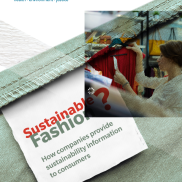
Sustainable Fashion? How companies provide sustainability information to consumers

by
HEJSupport International
|
March 2020
copied to clipboard
The new report “Sustainable Fashion? How companies provide sustainability information to consumers” by HEJSupport touches upon gaps in the current provision of product sustainability information to consumers, with the aim of suggesting a way forward which makes consumers a driving force able to shape the future of sustainable textiles.The report provides recommendations for business, policy makers and consumers.The sustainability of the fashion industry largely depends on the work of regulators and product manufacturers, including their suppliers. But very often the
Emerging Policy Issues: Chemicals in products
Avatar