59 resources found

Case Study 3
Case studies

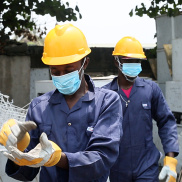
Piloting the Extended Producer Responsibility scheme in Nigeria

This case study highlights three main achievements resulting from the EPR pilot that tested potential collection channels, determined local e-waste treatment costs, and promoted environmentally sound e-waste management and gender equality in Nigeria's electronics sector.

  1. Setting an EPR financial mechanism by understanding local collection and recycling costs and estimating the EPR fee based on local costs.
  2. Reducing the health and environmental risks associated with e-waste management practices by ensuring hazardous materials like mercury and Persistent Organic Pollutants in e-waste are recycled in an environmentally sound manner.
  3. Improving the health, security, and safety of waste management workers, including women who face various risks in the sector.

The study concludes with a summary of the next steps and key learnings that emphasize the importance of environ-mentally and socially responsible e-waste management with a focus on gender equality in the sector.

Healthy Materials Lab
Case studies

PA Hemp Home

This case study describes the ongoing renovation of a home in Pennsylvania using HempLine, a natural insulation product. The home is designed to be fully disability accessible, making healthy building materials particularly important. The renovation will act as a model for the future of healthy, affordable and accessible housing, and prove to other developers that the radical change this industry needs is possible.

Case studies

Case study: "What's it Made of?" with Sustainable Furnishings Council

"What's it Made of?" is an environmental health initiative which encourages the elimination of dangerous substances commonly included in furniture production. The initiative involves a simple pledge for manufacturers to ask their suppliers about the substances in their materials and products. "What's it Made of?" was launched in 2016 and instantly gained over 300 signatures, which continue to grow through the efforts of the Sustainable Furnishings Council.

Emerging Policy Issues: Chemicals in products
Case studies

Case Study: Common Bond Communities Dublin Crossing

Dublin Crossing is a 50-unit, 3-storey affordable housing development in Minnesota. The specifications for the development were benchmarked against the HomeFree hazard spectrums and incorporated measures such as low-VOC paint, and doors and millwork using NAUF (No Added Urea Formaldehyde) composite wood products. The project was used as an opportunity to explore alternative flooring options to reduce toxins whilst meeting practical requirements such as durability and easy maintenance.

Case studies

Case study: Breathaplasta by Adaptavate

Breathaplasta is a lime-based plaster system designed to be thermally insulating and moisture regulating. The product is made from a bio-aggregate which is engineered to reduce the risk of condensation and mould, reduce heat loss and improve thermal comfort. Breathaplasta is produced by Adaptavate, a UK-based company which aims to support healthier and more resource-efficient buildings.

OECD
Case studies

Case Study on Flooring: An example of chemical considerations for sustainable plastics design

This case study aims to increase the awareness of environmental and health impacts and potential policy interventions to lead to sustainable plastic products from a chemicals perspective using flooring as an example. 

European Commission GPP
Case studies

Procuring sustainable furniture in Denmark - GPP in practice

A case study as part of the European Commission's Green Public Procurement resources.  This example from Denmark shows how by using an overarching, centralised procurement strategy across more than 60 municipalities, the Danish government were able to address sustainability hotspots from wooden furniture, by bulk procurement of products that met ambitious sustainability criteria.

The bulk sourcing enabled cost savings, and criteria set ensured that furniture did not contain chemicals of concern identified by both Danish restricted substance lists and the REACH list of substances of very high concern (SVHC).  Products were required to meet higher standards of chemical safety, with dismantling criteria also set to improve circularity.

Biomimicry Case Study - PureBond® Technology: Wood glue without formaldehyde
Case studies

Biomimicry Case Study - PureBond® Technology: Wood glue without formaldehyde

In recent years the majority of glues used in wood composite boards have been urea-formaldehyde (UF) and phenol-formaldehyde (PF) resins.  However, these products may cause human health issues due to off-gassing of formaldehyde, which is recognised by the World Health Organisation as a potential human carcinogen, which can also cause irritation of the eyes, nose, lungs and throat.

However, development of no-added formaldehyde (NAF) glues and resins is a growing area, which not only provide a safer indoor environment, but also can reduce the use of fossil-based feedstocks, and are biodegradable.  This case study looks at how NAF adhesives based on abundant soybean feedstocks, taking inspiration from processes in nature can address this chemical hotspot, and how the product was intially researched by Dr. Kaichang Li of Oregon State university, and came to market through collaborations with Columbia Forest Products and Hercules.  Soy-based adhesives can now demonstrate cost-competitiveness with UF adhesives, and are being widely procured for buildings seeking to achieve complaince with air quality regulations and higher building rating scores.

Avatar
