641 resources found

ISC3
Report

Sustainable Building and Living, Focus on Plastics. Workstream report: Summary and highlights

This report summarises the workstream of the International Sustainable Chemistry Collaborative Centre (ISC3) into the use of plastics in the built environment and the impacts on human health.

Emerging Policy Issues: Chemicals in products
Report

Chlorine and Building Materials. A Global Inventory of Production Technologies, Markets, and Pollution

This report from the Healthy Building Network looks at the environmental health impacts of chlorine, a key ingredient in the PVC supply chain. The report lists the 86 largest chlor-alkali plants and 56 largest PVC plants in the Western Hemisphere, Africa, and Europe. It analyzes chlorine markets with an emphasis on the PVC supply chain, chlorine production technologies, and pollution associated with the production of chlorine and chlorine-based products.

Case studies

Case study: CHARM virtually plastic free homes

CHARM virtually plastic free homes is an affordable housing development of 12 homes, built using plastic-free materials to reduce environmental and health impacts. The homes are constructed from timber panels and make extensive use of alternative and recycled products, such as aluminium window frames and mineral insulation.

Country: United Kingdom
Academic article

Alternatives to Methylene Chloride in Paint and Varnish Strippers: Availability of Safer Alternatives & Requirements for Meeting Stage 1 of the California Safer Consumer Products Regulations
This report gives a summary of a research project which aimed to identify less hazardous alternatives to methylene chloride in formulated paint stripper products, and to align alternatives with the California Safer Consumer Products regulations.

OECD
Academic article

Phthalate-free Plasticizers in PVC

This report gives a summary of a research project which aimed to compare the health and environmental impacts of  plasticizer alternatives to phthalates now in use in PVC building products. The report recommends the most effective phthalate alternatives.

OECD
Academic article

Flame Retardants Used in Flexible Polyurethane Foam: Alternatives Assessment Update

This report gives a summary of a research project which aimed to identify and assess environmentally safer chemical alternatives to flame retardants commonly used in furniture foam.

Case studies

Lead in Paint Regulation: Case Study – The Philippines

This case study describes the adoption of regulations on lead paint in Philippines and how this came about through a collaboration between government, civil society and industry.

Emerging Policy Issues: Lead in paint
Case Study 3
Case studies

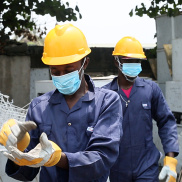
Piloting the Extended Producer Responsibility scheme in Nigeria

This case study highlights three main achievements resulting from the EPR pilot that tested potential collection channels, determined local e-waste treatment costs, and promoted environmentally sound e-waste management and gender equality in Nigeria's electronics sector.

  1. Setting an EPR financial mechanism by understanding local collection and recycling costs and estimating the EPR fee based on local costs.
  2. Reducing the health and environmental risks associated with e-waste management practices by ensuring hazardous materials like mercury and Persistent Organic Pollutants in e-waste are recycled in an environmentally sound manner.
  3. Improving the health, security, and safety of waste management workers, including women who face various risks in the sector.

The study concludes with a summary of the next steps and key learnings that emphasize the importance of environ-mentally and socially responsible e-waste management with a focus on gender equality in the sector.

Avatar