32 resources found

Video

Video: Mercury in skin lightening products - a threat to health

Video animation explaining why mercury and, in particular, mercury in skin lightening products is dangerous to health and the need for countries to take action to ban this source of exposure.
Emerging Policy Issues: Endocrine-Disrupting Chemicals

E-learning

Earth School
Today, over 1.5 billion children are unable to go to school. Coronavirus’ impact goes beyond the health and economic crisis; it is also jeopardizing the education of students around the world.Teachers are scrambling to offer students lessons online and parents are desperate for activities that will keep their kids engaged and connected to the outside world.In response to this crisis, an unprecedented coalition of over fifty environmental and education experts are collaborating to launch The Earth School: 30 adventures for
E-learning

Updated course on the Minamata Convention on Mercury

Mercury is a heavy metal that occurs naturally but can also be released into air, water, and soil through anthropogenic activities such as mining, metal and cement production, and combustion of fossil fuels. It is highly toxic and persistent in the environment. It can be transported in the atmosphere great distances, and can enter the food chain and accumulate in flora and fauna.This free and self-paced course introduces you to the Minamata Convention on Mercury, which seeks to protect human
E-learning

E-learning on Multilateral Environmental Agreements

Free online courses on the Multilateral Environmental Agreements in various topics: biological diversity, chemicals and waste, climate and atmosphere, environmental governance, marine and freshwater, land and agriculture.These courses are hosted by the United Nations Information Portal on Multilateral Environmental Agreements (InforMEA)
E-learning

UN Environment Programme and Partners Massive Open Online Courses (MOOCs)

Suite of online Massive Open Online Courses (MOOCs), developed by the UN Environment Programme and partners on different topics:Marine litterUrban metabolism for policy makersIntroduction to life cycle thinkingEnvironmental security and sustaining peaceDisasters and ecosystems: Resilience in a changing climateWheels of metals: Urban mining for a circular economyFood and our future: Sustainable Food Systems in Southeast AsiaGreening consumption and productionClose the Loop - SDG 12 Introduction to Sustainable Consumption and production in LACAll courses are available here
E-learning

The E-Waste Challenge

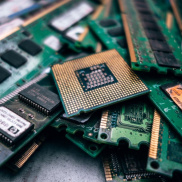
This course will help the participants to understand why and how to manage e-waste in an environmentally sound manner and how action on e-waste could be taken in their own life, business, or organization.The aims of the course are to:Show how sound management of e-waste can help reduce GHG emissions, mitigate climate change and prevent hazards to health and the environment in accordance with the Basel, Rotterdam, and Stockholm conventions;Share best practices, technological innovations, and sustainable e-waste recovery and inclusive

Video

SAICM Emerging Policy Issues Video

Have you ever noticed how many chemicals shape people’s daily lives? They keep homes sparkling clean, boost food production, and are included in virtually all manufactured goods surrounding you right now. Chemicals drive the economy but as we produce more than ever before, they have to deliver their benefits without damaging our health and environment.Toxic lead paint for example is still used in many regions of the world and Highly hazardous pesticides continue to poison agricultural workers and contaminate the
Video

SAICM Perflourinated Chemicals Video

Perflourinated Chemicals (PFCs) are the key ingredient in many stain, water and grease repellent coatings that make outdoor jackets water tight and frying pans non sticky. These chemicals consist of long molecules that contain carbon chains surrounded by fluorine. That bond between carbon and fluorine is incredibly tight. They interact so strongly with each other that the normal, inter-molecular forces, that cause substances to stick to each other, don’t stand a chance.While some types of PFCs are either safe or
Emerging Policy Issues: Perfluorinated Chemicals

Avatar