4 resources found

Case Study 3
Case studies

Piloting the Extended Producer Responsibility scheme in Nigeria

This case study highlights three main achievements resulting from the EPR pilot that tested potential collection channels, determined local e-waste treatment costs, and promoted environmentally sound e-waste management and gender equality in Nigeria's electronics sector.

  1. Setting an EPR financial mechanism by understanding local collection and recycling costs and estimating the EPR fee based on local costs.
  2. Reducing the health and environmental risks associated with e-waste management practices by ensuring hazardous materials like mercury and Persistent Organic Pollutants in e-waste are recycled in an environmentally sound manner.
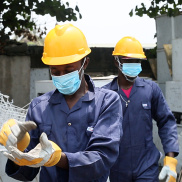
  3. Improving the health, security, and safety of waste management workers, including women who face various risks in the sector.

The study concludes with a summary of the next steps and key learnings that emphasize the importance of environ-mentally and socially responsible e-waste management with a focus on gender equality in the sector.

Case Study 1
Case studies

Gaining legal ground in the Extended Producer Responsibility scheme for electronics in Nigeria

by |
March 2023
copied to clipboard

Strengthening legal efforts in Nigeria is crucial for successful implementation of Extended Producer Responsibility (EPR) systems. By having the National Environmental Standards and Regulations Enforcement Agency of Nigeria (NESREA) having the enforcing EPR laws create a more sustainable and accountable e-waste sector.

Developing and updating EPR legistlations helps clarify the different responsibilities and enforce producers to comply with their obligations and responsibility. However, effective EPR implementation will require further law enforcement measures.
The case study outlines two achievements of the "Circular Economy Approaches for The Electronics Sector In Nigeria" project towards establishing a stronger legal system in Nigeria:

  • The development and gazette of the EPR Guidance document in 2020: the guidance defines the roles and responsibilities of the key public and private stakeholders, the product categories to be covered by the EPR scheme, and the collection and recycling targets.
  • The amendment of the National Environmental (Electrical and Electronic Sector) Regulations in 2022: which legally requires EPR subscriptions and prohibits suboptimal treatment of e-waste.

The study concludes with a summary of key lessons and next steps, emphasizing the importance of enforcing EPR laws, engaging stakeholders, raising public awareness, and collaborating with regional and international partners.

Case Study 2
Case studies

Data management automation for the Extended Producer Responsibility scheme for electronics in Nigeria

by |
March 2023
copied to clipboard

The establishment of an EPR database is critical in operationalising and formalising the management of EPR-related data. The EPR database allows e-waste flow tracking and EPR fee and recovery rate calculation while ensuring producers' information confidentiality and helping prevent counterfeiting activities.

The case study outlines the project’s efforts towards establishing this automation system in Nigeria in the following areas:

  • Developing the EPR database: to manage producers’ market share data, calculate and collect the EPR fees.
  • Registering Producers and products in the database: To ensure electronic and electrical producers are registered and to oversee the EPR operation.
  • Securing the database: Enhancing producers' trust in the database and ensuring its confidentiality.

The study concludes with a summary of next steps and key learnings, emphasizing the importance of law enforcement, database registration, secure systems for producers, and encouraging the participation of producers in the database registration.

gender-case-studies-cover
Case studies

Women Leaders: Addressing Chemicals and Waste Issues

by
IPEN ,
|
June 2022
copied to clipboard

People of all gender identities must have the same rights and opportunities to participate fully in their communities, free from the health threats posed by toxic chemicals. It is especially important to understand the factors that put women at risk from chemical health threats.

The IPEN report “Women Leaders: Addressing Chemicals and Waste Issues” highlights women’s leadership through ten organizations from around the world working to address chemical health threats. The report was developed within the framework of the United Nations Environment Program and its Global Environment Facility (GEF), under the Strategic Approach to International Chemicals Management (SAICM), executed by the SAICM Secretariat. It was produced with support from the Swedish Government.

Women face greater risks from chemical exposures and experience higher rates of adverse health outcomes because of their physiology, different types of occupational exposures, and differential exposures to chemicals, including from personal care and household products. Women are also exposed to chemicals — such as endocrine disrupting chemicals, lead in paint, and chemicals in toys — that pose health threats during pregnancy and to their developing children.

These toxic exposures can lead to serious health problems that impact women’s lives and their opportunities to participate in their communities fully and equally. This is especially so for women in low-income communities who are often managing multiple pathways for toxic exposures and multiple obstacles to gender equality.

Women cannot be empowered nor gender equality achieved while exposures to hazardous chemicals put them at risk for cancer, chronic illnesses, infertility, and damage to their nervous systems.

In 2015, the United Nations Member States adopted the 2030 Agenda for Sustainable Development, which includes 17 Sustainable Development Goals (SDGs). “Gender Equality” is one of the goals (Goal 5) and the SDGs also recognize that gender equality is a prerequisite for reaching most of the other goals. Reducing and eliminating chemical exposures will also be essential for achieving all of the 17 goals.

The stories that follow highlight women across the globe who are leading work in their communities, nations, and internationally for stronger protections from harmful chemicals. Supporting their work and the work of countless other women who are leading similar efforts will be critical for achieving the SDGs.
Avatar
