Anteneh Abebe
I obtained MSc in Environmental Science and Management from Haramaya University.
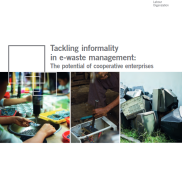
Electrical and electronic equipment when becoming waste (e-waste) such as personal computers, printers, televisions, mobile phones, refrigerators and air-conditioning units is one of the fastest-growing waste streams in the world today.
E-waste is categorized as hazardous waste due to the presence of toxic materials such as mercury, lead and brominated flame retardants are considered as hazardous waste according to the Basel Convention. E-waste may also contain precious metals such as gold, copper and nickel and rare materials of strategic value such as indium and palladium. These precious and heavy metals could be recovered, recycled and used as valuable source of secondary raw materials. It has been documented that e-wastes are shipped to developing countries where it is often not managed in an environmentally sound manner, thus posing a serious threat to both human health and the environment.
I obtained MSc in Environmental Science and Management from Haramaya University.


By contributing to the creation and enforcement of national and international legal framework on chemicals and hazardous wastes as well as the related guidelines for the main industry stakeholders and operators, dealing with chemicals or producing

As we strive towards a better world, we work to ensure chemistry’s contributions are realized. Chemistry can help us to understand, monitor, protect and improve the environment around us.